
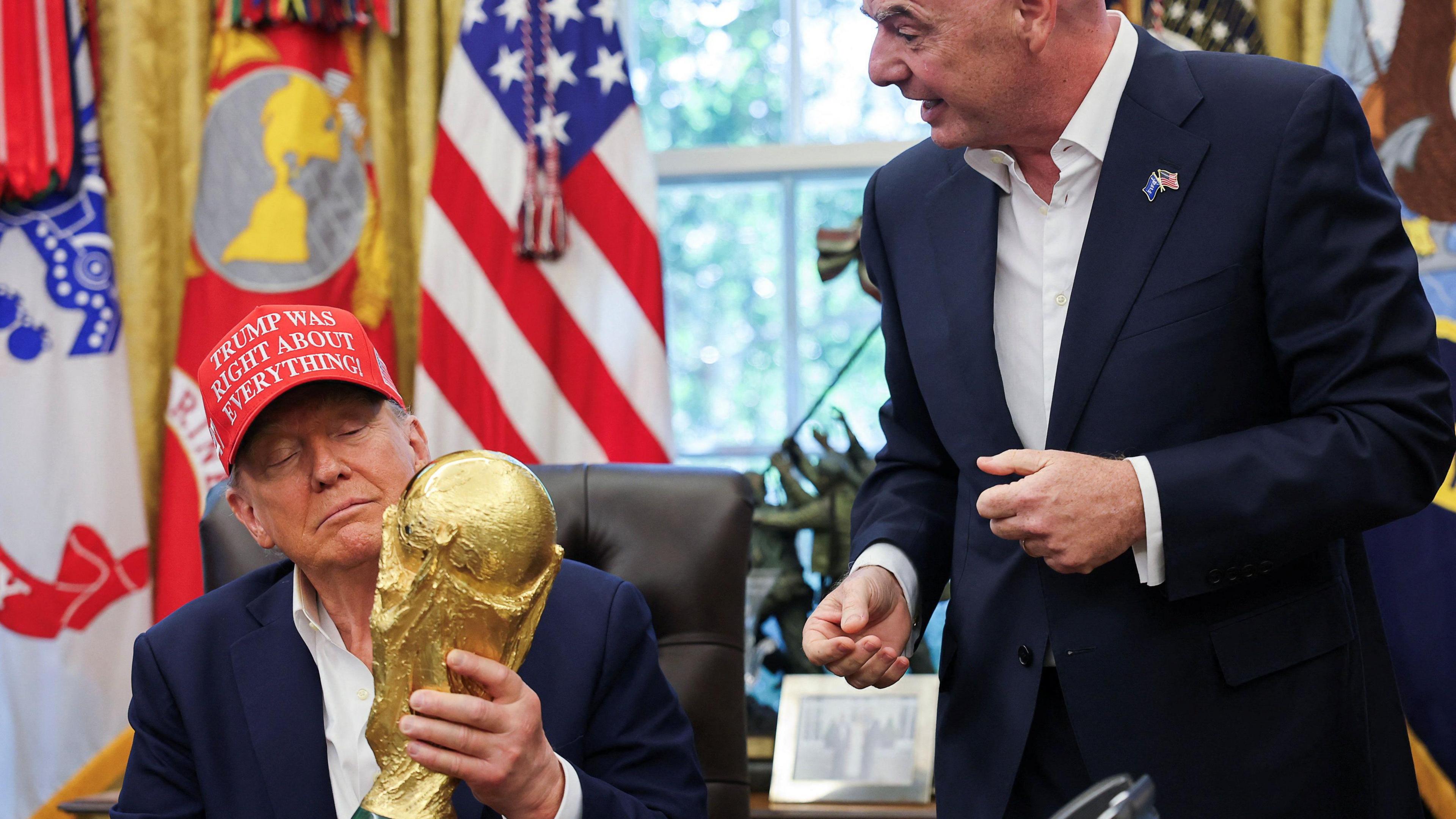
As the world turns its attention toward the 2026 FIFA World Cup, set to be hosted across the United States, Canada, and Mexico, one nation’s participation has become a focal point of international discourse: Iran. Amid geopolitical tensions and speculative reports suggesting a potential replacement by Italy, Iranian officials have firmly affirmed their commitment to compete in the tournament. This stance underscores not only a sporting determination but also a broader narrative of resilience amid external pressures.
The controversy emerged following reports that a special envoy of former U.S. President Donald Trump had proposed to FIFA that Italy replace Iran in the 2026 World Cup lineup. According to multiple regional outlets, the suggestion was framed as an effort to mend strained relations between Trump and Italian Prime Minister Giorgia Meloni, particularly after disagreements over comments regarding Pope Francis and the ongoing Middle East conflict. However, these claims have not been substantiated by official FIFA communications or verifiable statements from the U.S. Government.
In response, Iranian government spokesperson Fatemeh Mohajerani stated on national television that the national men’s team is preparing to deliver a “proud and successful” participation in the upcoming World Cup. Her remarks, reported by Reuters and carried by Al Jazeera, came amid heightened scrutiny following joint U.S.-Israeli military strikes against Iran in late February 2026. Mohajerani emphasized that the team remains focused on representing Iran with dignity on the global stage, directly countering speculation about withdrawal or disqualification.
Meanwhile, Italian public reaction to the proposed substitution has been largely negative. Fans and commentators across Italy expressed outrage at the idea of gaining a World Cup berth through political maneuvering rather than sporting merit. Italy failed to qualify for the 2022 World Cup in Qatar and again missed out on the 2026 tournament after losing a playoff match to Bosnia and Herzegovina in March 2026. The sentiment among many Italians was that any appearance in the 2026 World Cup must be earned through performance on the field, not granted via diplomatic intervention.
FIFA has not issued any official statement confirming receipt of such a proposal, nor has it indicated any consideration of altering the qualified lineup for the 2026 tournament. The governing body typically upholds the principle that qualification is determined solely through regional competitions, and any changes to the participant list would require extraordinary circumstances recognized under its statutes. As of now, Iran remains among the qualified teams from the Asian Football Confederation (AFC), having secured its place through the continental qualification process.
The 2026 World Cup will mark the first edition featuring an expanded 48-team format, increasing opportunities for nations from all confederations to participate. For Iran, this represents a continued presence on football’s biggest stage, having qualified for multiple previous tournaments despite regional challenges. The team’s preparation is expected to continue under its current technical staff, with friendly matches and training camps scheduled in the months leading up to the tournament’s kickoff on June 11, 2026.
While the episode highlights the intersection of sports and international politics, it also reaffirms the importance of maintaining the integrity of athletic competition. As of the latest verified updates, Iran’s participation in the 2026 FIFA World Cup remains unchanged and officially supported by its government. No credible evidence suggests that FIFA has accepted or even formally considered any proposal to alter the current qualification standings.
For ongoing updates on team preparations, qualification status, or official statements from FIFA or national associations, readers are encouraged to consult the official FIFA website and the respective communications channels of the Iranian and Italian football federations.
Stay informed, share your thoughts, and join the conversation about the evolving story of the 2026 World Cup.