
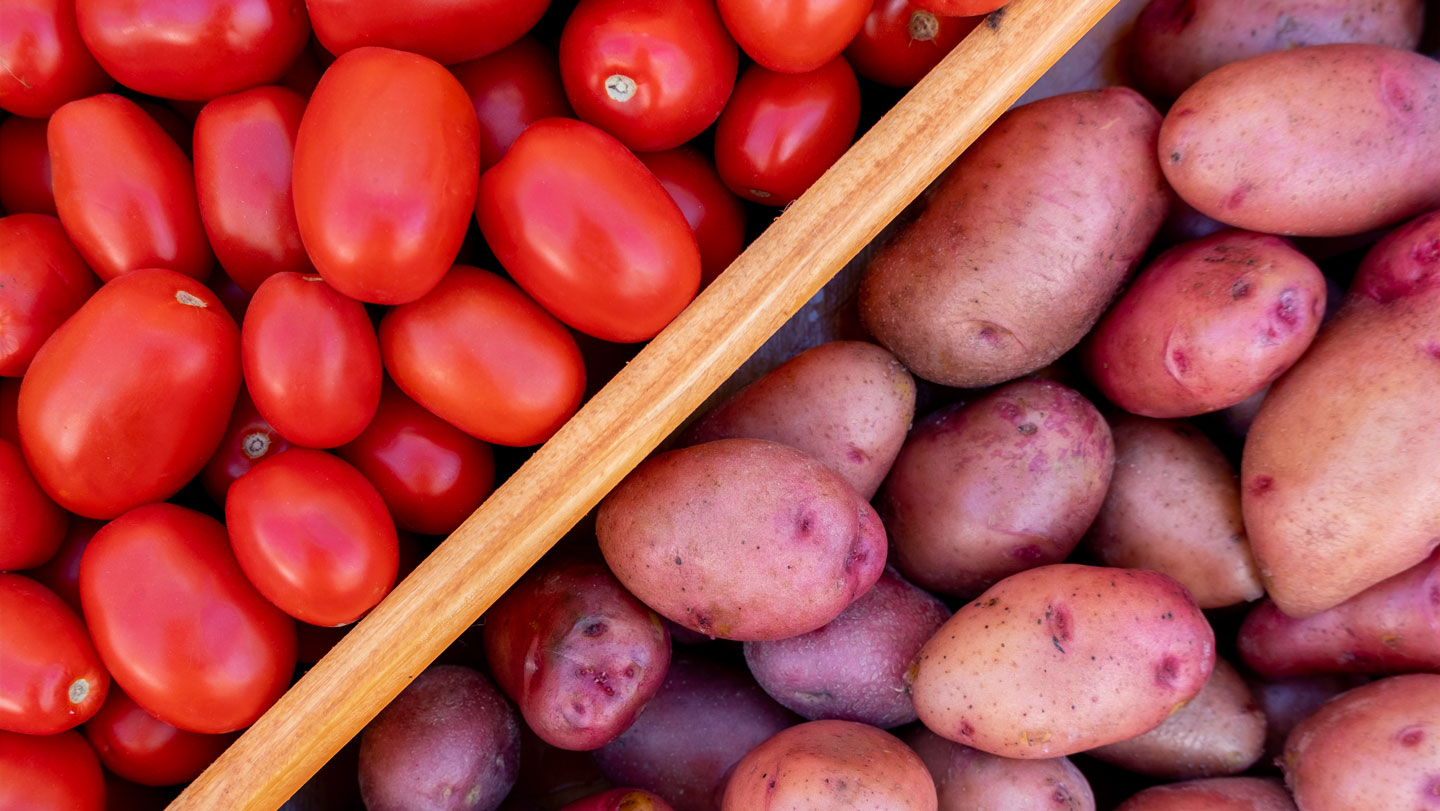
A recent genomic study has revealed a surprising origin story for one of the world’s most vital food crops: the potato. Research published in the journal Cell on July 31, 2025, indicates that the modern cultivated potato (Solanum tuberosum) arose from an ancient hybridization event between wild relatives of the tomato and a now-extinct lineage closely related to potatoes. This finding reshapes scientific understanding of how key tuber crops evolved and highlights the role of natural hybridization in agricultural development.
The international research team, led by scientists from the Agricultural Genomics Institute at Shenzhen, Chinese Academy of Agricultural Sciences, and including Sandra Knapp of the Natural History Museum in London, analyzed the genomes of both wild and domesticated potato species. Their work shows that the lineage giving rise to the potato—known as the Petota clade—emerged from a cross between ancestors of the tomato group (which includes Solanum lycopersicum, the cultivated tomato) and a group called Etuberosum, comprising three wild species native to South America. Neither tomatoes nor Etuberosum species produce tubers, suggesting that the hybridization event was critical in triggering the evolution of this nutrient-storing underground structure.
According to the study, this hybridization likely occurred between 8 and 9 million years ago, during a period of significant geological and climatic change in the Andes region. The resulting hybrid lineage gained a novel combination of genes that enabled tuber formation—a trait absent in both parent lineages. Over time, this genetic innovation was refined through natural selection and later human domestication, eventually producing the starchy tubers that now form a dietary staple for billions of people worldwide.
Sandra Knapp, a botanist specializing in the Solanum genus and co-author of the study, explained that such hybridization events can act as evolutionary catalysts. “From an evolutionary perspective, we have unresolved differences of opinion regarding the relationships between the Tomato, Petota, and Etuberosum lineages,” she noted in interviews following the paper’s release. “But our findings show how interspecies hybridization can trigger the emergence of fresh traits, enabling greater species diversity.” Her comments were featured in coverage by Live Science on July 31, 2025.
Sanwen Huang, professor of agricultural genomics at the Chinese Academy of Agricultural Sciences and another lead author, emphasized the broader significance of the discovery. “We have finally solved the mystery of where the potato comes from,” he stated. The research not only traces the deep evolutionary roots of the potato but as well illustrates how genome duplications and hybridization contribute to evolutionary novelty in plants—a process increasingly recognized as vital in both wild ecosystems and crop improvement.
The potato belongs to the Petota clade, which includes 107 known wild species in addition to the cultivated Solanum tuberosum. These plants are native to the Andes, spanning from Venezuela to northern Argentina, with centers of diversity in Peru and Bolivia. Wild potatoes exhibit remarkable variation in tuber size, shape, color, and chemical composition, traits that have been instrumental in breeding programs aimed at enhancing resistance to pests, diseases, and environmental stresses such as drought and frost.
Today, potatoes rank as the world’s fourth-largest food crop by production volume, after maize, wheat, and rice, according to the Food and Agriculture Organization of the United Nations (FAO). They are grown in over 100 countries and provide a critical source of carbohydrates, vitamin C, potassium, and dietary fiber. In many high-altitude and temperate regions, potatoes remain a cornerstone of food security due to their high yield per unit area and adaptability to cooler climates where other staple crops struggle.
The implications of this research extend beyond historical curiosity. By identifying the genetic contributors to tuber formation, scientists may better understand the genetic networks that regulate this complex trait. Such knowledge could support efforts to develop more resilient potato varieties through marker-assisted breeding or genetic engineering, particularly in the face of climate change. Studying how wild Solanum species naturally hybridize may inform conservation strategies for preserving genetic diversity in crop wild relatives.
While the study provides a robust genomic timeline for the origin of the potato lineage, researchers note that the exact geographic location of the initial hybridization event remains uncertain. The Etuberosum group is confined to southern South America, while wild tomatoes have a broader distribution, leaving open questions about where and how these lineages came into contact millions of years ago. Future work involving paleobotanical data and expanded sampling of Andean flora may help refine this narrative.
As of now, no follow-up studies have been published that directly challenge or revise the 8- to 9-million-year-old hybridization hypothesis. The research team continues to analyze genomic data from additional wild Solanum species to explore whether similar hybridization events contributed to the evolution of other tuber-bearing lineages within the genus. Updates to this line of inquiry are expected through upcoming presentations at international botanical and genomic conferences, though no specific dates have been confirmed.
This discovery serves as a reminder that many of the foods we rely on today are the product of ancient natural processes—long before human agriculture began. The potato’s journey from a hybrid wild plant in the Andes to a global dietary staple underscores the deep connections between evolution, biodiversity, and human sustenance. For readers interested in the science behind everyday foods, this story offers a compelling glimpse into the hidden history written in the DNA of one of humanity’s most vital crops.
To learn more about ongoing research into crop evolution and food security, visit the website of the Food and Agriculture Organization of the United Nations.