
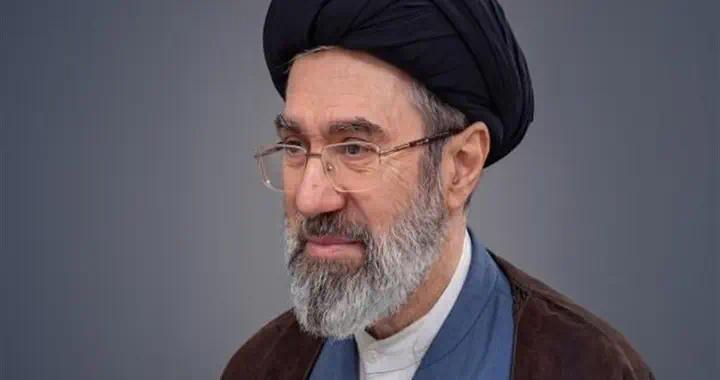
On April 23, 2026, Iran’s Supreme Leader Ayatollah Ali Khamenei issued a statement on social media platform X praising national unity among Iranians and warning of ongoing psychological warfare by adversaries. The message came amid heightened tensions following military actions by the United States and Israel against Iran that began in late February 2026, according to verified reports from Iranian state media and international news outlets monitoring the situation.
Khamenei emphasized that the unprecedented solidarity displayed by the Iranian people had produced a “strong effect,” causing divisions within opposing camps and disrupting efforts to weaken the Islamic Republic. He stated that this unity would strengthen national cohesion, making it “stronger and steadier than steel,” while simultaneously weakening adversaries. The Supreme Leader specifically warned citizens to remain vigilant against enemy psychological operations, stating: “The enemy’s media actions target the thoughts and psychology of the Iranian people with the intent to undermine national unity and security; may we not allow this evil intention to succeed.”
The statement was issued on the same day that Iran’s president, parliamentary speaker, and judiciary chief collectively responded to recent comments by U.S. President Donald Trump regarding alleged internal divisions within Iran’s leadership. In a coordinated message shared via social media, President Masoud Pezeshkian, Parliament Speaker Mohammad Bagher Ghalibaf, and Judiciary Chief Gholamhossein Mohseni-Eje’i rejected Trump’s characterization of a split between “hardliners” and “moderates,” declaring: “In Iran, there is no such thing as ‘hardliners’ or ‘moderates.’ We are all ‘Iranians,’ we are all ‘revolutionaries.’ With the steel-like unity between the people and the government, and our complete obedience to the Supreme Leader, we will craft the aggressors regret their actions.”
This unified response from Iran’s top three branches of government underscored a deliberate effort to counter narratives of internal fragmentation that have been promoted by Western officials, particularly in the context of ongoing indirect negotiations between Tehran and Washington. The talks, which have been mediated through Omani officials and held in locations such as Muscat, aim to address issues including the potential withdrawal of U.S. Forces from the region, sanctions relief, and compensation for damages incurred during the recent conflict.
The current phase of U.S.-Iran engagement follows a period of intense military confrontation that began on February 28, 2026, when U.S. And Israeli forces launched coordinated strikes against Iranian targets. Iranian officials have confirmed that the conflict has now entered its seventh week, with both sides agreeing to a temporary ceasefire that was initially set to expire on April 22, 2026. However, President Trump announced an indefinite extension of the ceasefire to allow additional time for diplomatic efforts to produce a lasting agreement.
Iran’s negotiating team, led by Parliament Speaker Ghalibaf, has presented a framework that includes demands for the complete withdrawal of foreign military forces from Iranian waters and surrounding regions, the lifting of all economic sanctions imposed since 2018, formal recognition of Iran’s sovereignty over the Strait of Hormuz, and war reparations for damages sustained during the hostilities. These positions have been consistently reiterated by Iranian officials across multiple public statements in recent weeks.
Analysts note that the emphasis on national unity serves both domestic and strategic purposes. Internally, it reinforces domestic cohesion amid external pressure. Externally, it seeks to present a unified front in negotiations, countering attempts by adversaries to exploit perceived divisions within Iran’s political leadership. The repeated assertions by Iran’s highest authorities that there are no meaningful factions between “hardliners” and “reformists” within the system are intended to undermine narratives suggesting vulnerability to internal strife.
The psychological dimension of the conflict has been a recurring theme in Iranian official rhetoric since the escalation began. Authorities have frequently warned about disinformation campaigns, social media manipulation, and propaganda efforts designed to sow confusion among the population or erode public confidence in government institutions. Khamenei’s reference to “psychological war” aligns with these longstanding concerns about information operations conducted by foreign actors.
As the indirect talks continue, the next scheduled development is expected to be a fresh round of negotiations between Iranian and U.S. Representatives, though no specific date or location has been publicly confirmed by either side as of April 24, 2026. Officials from both nations have indicated that discussions remain ongoing through backchannels, with Oman continuing to facilitate communication.
For readers seeking to follow developments in this evolving situation, official updates are typically released through the websites of Iran’s Ministry of Foreign Affairs and the presidential office, while U.S. State Department briefings provide the American perspective. International organizations such as the United Nations and the International Atomic Energy Agency also monitor and report on aspects of the broader regional security environment.
We encourage our global audience to share thoughts and observations in the comments section below and to help spread awareness of this important international story by sharing it across social media platforms.