
The proposal for a 250-foot monument in the vicinity of Arlington National Cemetery has sparked a significant debate regarding the architectural and historical integrity of one of the United States’ most hallowed grounds. The project, which has been the subject of intense scrutiny from historical preservationists and lawmakers, centers on the construction of a massive, commemorative arch near the entrance of the site. As discussions continue, the tension between large-scale public monuments and the solemnity of burial grounds remains at the forefront of the conversation.
The core of the controversy involves the impact of such a structure on the “reverence” of the cemetery, a concern articulated by public officials and architectural organizations alike. Critics argue that a 250-foot arch would dominate the skyline of the memorial landscape, potentially distracting from the intended atmosphere of quiet reflection. This debate highlights the challenges of balancing commemorative architecture with the preservation of existing national landmarks, particularly those managed by the U.S. Army, which maintains the site under the Code of Federal Regulations governing national cemeteries.
Architectural Concerns and Historical Context
The Society of Architectural Historians (SAH) has expressed formal reservations regarding the proposal, noting that the scale and placement of the monument could fundamentally alter the character of Memorial Circle. Architectural historians often point to the importance of “contextual sensitivity” when designing structures near existing national landmarks. The proposed height of 250 feet would place the structure among the tallest monuments in the region, drawing immediate comparisons to established memorials in the District of Columbia, which are subject to rigorous height restrictions under the Height of Buildings Act of 1910.

Opponents of the arch emphasize that Arlington National Cemetery is not merely a park, but an active burial site that requires a specific level of decorum. For many, the architectural design of the cemetery—characterized by its rolling hills and consistent, understated headstones—is an essential component of its national significance. Introducing a high-profile, monumental structure into this environment is viewed by some as an intrusion that prioritizes aesthetic spectacle over the site’s primary function of honoring the fallen.
Legislative and Public Opposition
The proposal has faced resistance from various levels of government, including members of Congress who represent the surrounding jurisdictions. Representative Don Beyer, who has been vocal regarding the project, has highlighted the potential for the structure to violate the sanctity of the cemetery. Such legislative oversight is common for projects located in the National Capital Region, where the National Capital Planning Commission (NCPC) holds authority over the review of federal projects to ensure they align with the Comprehensive Plan for the National Capital.

Beyond the legislative sphere, the broader public discourse reflects a deep-seated disagreement over the role of monumentalism in modern American culture. While some argue that large-scale arches serve as powerful symbols of national pride, others contend that they risk becoming “monuments to nothing” if they lack a clear, unifying purpose or if they are placed in locations that do not benefit from their presence. This debate is reflective of a wider trend in urban planning where the integration of new memorials often encounters friction with historical preservation efforts.
The Regulatory Path Forward
For any project of this scale to proceed, it must undergo a series of comprehensive federal reviews. These processes are designed to assess environmental impacts, historical preservation concerns, and site suitability. The Section 106 review process, mandated by the National Historic Preservation Act, is a critical component of this trajectory, requiring federal agencies to consider the effects of their undertakings on historic properties.
As of June 2026, there have been no definitive approvals granted for the construction of the proposed arch. Any future developments would likely require multiple public hearings, environmental impact statements, and consultations with the National Park Service and the Department of the Army. Interested parties and citizens are encouraged to monitor the official dockets maintained by the National Capital Planning Commission for updates on potential project filings or scheduled public forums.
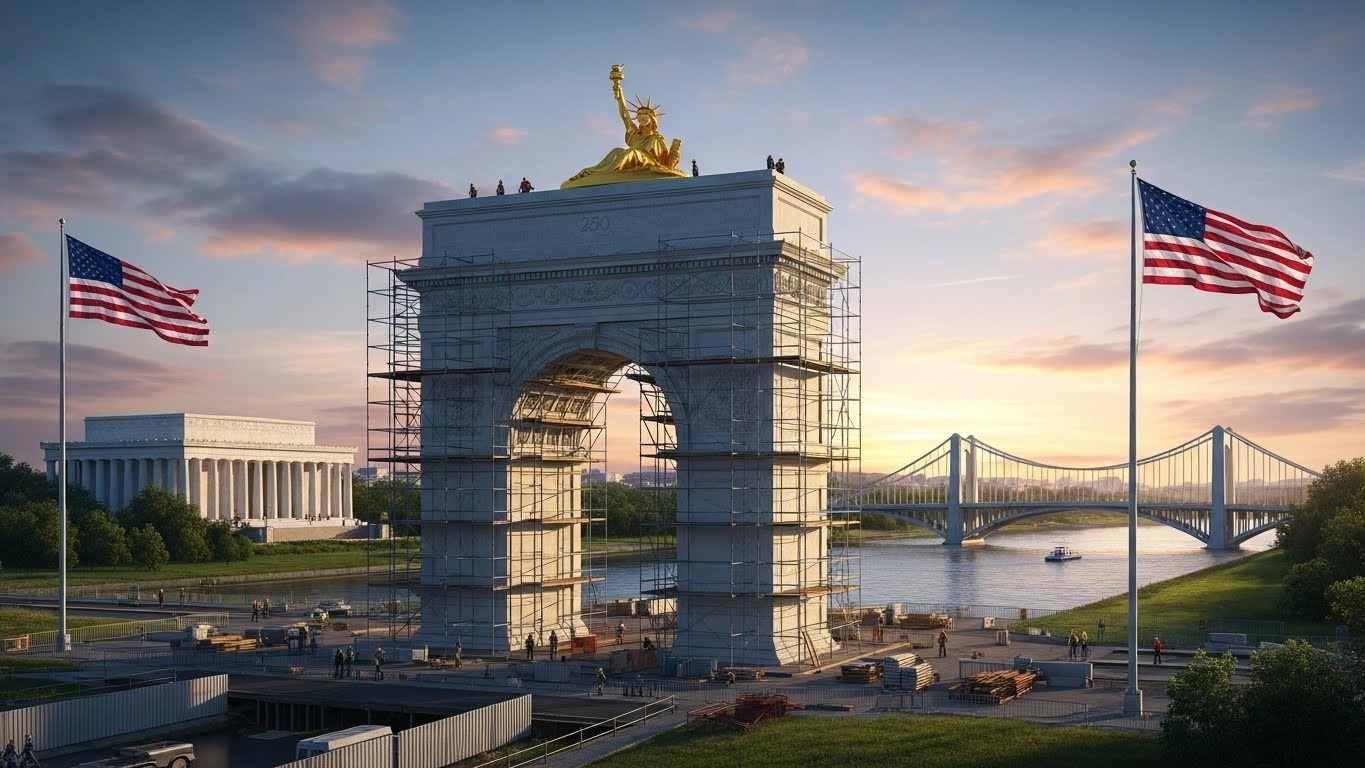
The future of the 250-foot arch remains uncertain, contingent upon the balancing of architectural ambition with the strict requirements of heritage conservation. Whether the project will be modified to accommodate the concerns of preservationists or if it will face further administrative hurdles remains to be seen. We will continue to track these developments as they emerge from the relevant regulatory bodies. We invite our readers to share their perspectives on the balance between national monument expansion and site preservation in the comments section below.
Related reading
- البطريرك الراعي خلال قداس تطويب البطريرك الياس الحويّك في الديمان: نشكر الله على علامات نجاح زيارة الرئيس عون إلى واشنطن – جريدة اللواء
- 대형마트 휴무일, 이마트·롯데마트·홈플러스·코스트코 ‘마트는 오늘?’ | bnt뉴스
- Alex Eala’s Historic Wimbledon Run Sparks Tennis Surge Across Philippines (time.news)
- Trump Discusses the Speech He Almost Gave Before Assassination Attempt (newsdirectory3.com)