Trump Escalates Attacks on Somali Community, Sparking Legal Concerns and community Fears
Recent statements by former President Donald Trump have ignited a firestorm of controversy, centering on increasingly harsh rhetoric directed towards the Somali diaspora in the United States, notably in Minnesota. These comments, coupled with proposed policy changes, are raising serious legal questions and fueling anxieties within the Somali-American community. This article will delve into the specifics of Trump’s statements, the context surrounding them, the potential legal ramifications, and the community response.
A Pattern of Escalating Rhetoric
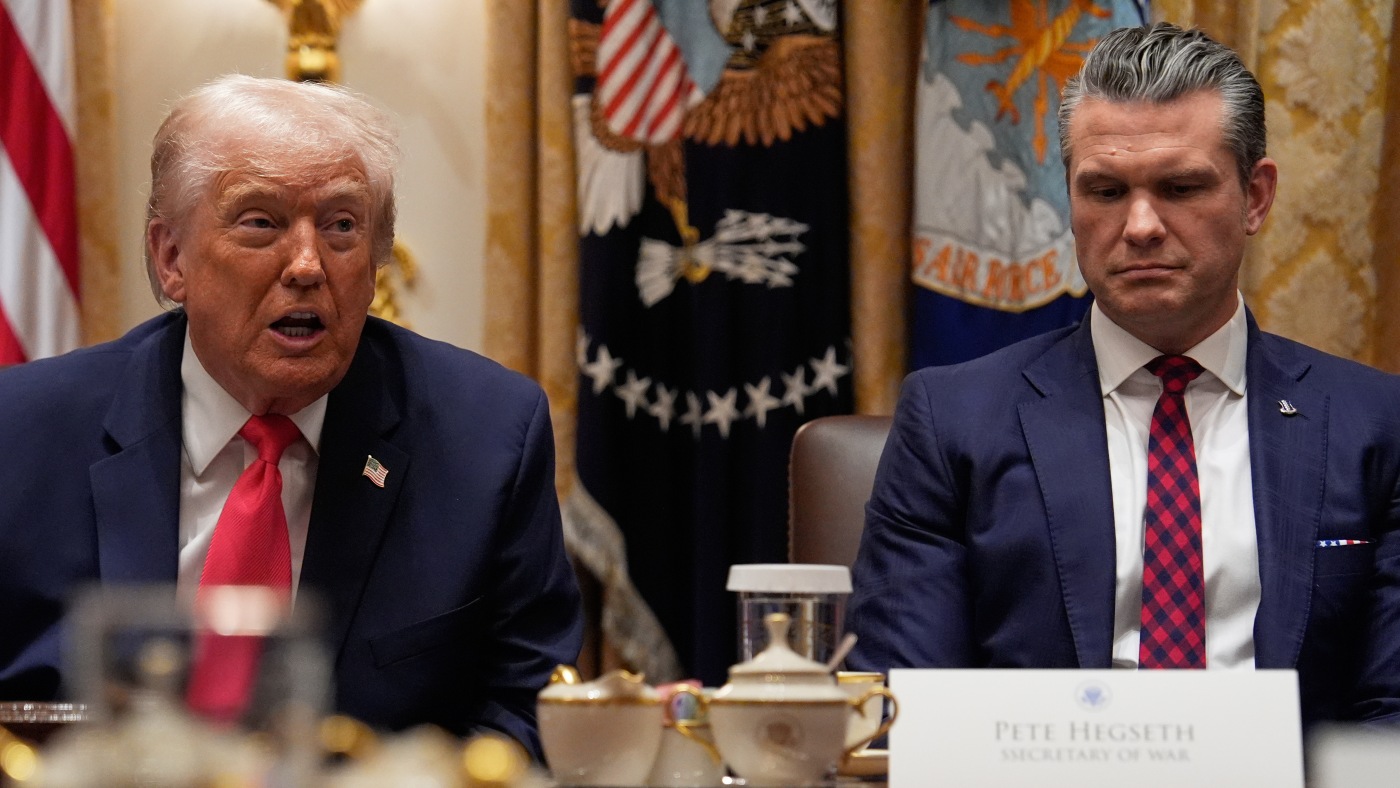
The latest wave of criticism began following a shooting incident involving National Guard soldiers in Washington, D.C. While the suspect was originally from Afghanistan, Trump seized the opportunity to broaden his focus, targeting immigrants from Somalia and questioning their contributions to the country. His remarks, delivered near the end of a Cabinet meeting, were particularly stark: “they contribute nothing. I don’t want them in our country… Their country is no good for a reason. Your country stinks and we don’t want them in our country.”
this isn’t an isolated incident. Trump has a documented history of criticizing Representative Ilhan Omar, a Minnesota Democrat who immigrated from Somalia as a child. however, the intensity of his attacks has noticeably increased in recent weeks, coinciding with the publication of unsubstantiated allegations in City Journal by conservative activist Christopher Rufo.These allegations, based on unnamed sources, claim that funds stolen from Minnesota programs have been diverted to al-Shabab, a militant group operating in Somalia.
Trump amplified these claims on social media, vowing to “send Somalis ‘back to where they came from'” and labeling Minnesota, home to the largest Somali community in the U.S., a “hub of fraudulent money laundering activity.” He reiterated this sentiment on Tuesday, stating Somalis in the U.S. should “go back to where they came from and fix it.”
Proposed Policy Changes and Legal Challenges
Beyond the rhetoric, Trump has specifically pledged to terminate temporary Protected Status (TPS) for somalis living in Minnesota. TPS is a temporary immigration status granted to nationals of designated countries experiencing extraordinary and temporary conditions, such as armed conflict or natural disaster.
This proposed action is facing immediate and significant pushback. While the number of Somalis currently covered by TPS is relatively small – a Congressional report in August estimated 705 nationwide – the move is widely seen as a legally dubious attempt to target a specific community. Immigration experts are questioning whether the White House possesses the legal authority to unilaterally revoke TPS based on the rationale presented.The move is also sparking fear and uncertainty within Minnesota’s somali community, manny of whom have built lives and contributed significantly to the state.
The Context: Minnesota’s Somali-american Community
Somalis began arriving in Minnesota in the 1990s, largely as refugees fleeing the civil war in somalia. The state quickly became a central hub for Somali resettlement, and the community has since flourished, becoming an integral part of the state’s social and economic fabric.
Minneapolis, in particular, boasts a vibrant Somali-American population. these individuals have established businesses, created jobs, and enriched the cultural landscape of the city. Minneapolis Mayor Jacob Frey strongly condemned Trump’s statements, emphasizing the positive contributions of Somali immigrants: “They have started businesses and created jobs. They have added to the cultural fabric of what Minneapolis is… To again, villainize an entire group is ridiculous under any circumstances.”
Responding to the Attacks: Omar and Community Leaders
Representative Ilhan Omar herself responded to Trump’s attacks on social media, stating, “His obsession with me is creepy. I hope he gets the help he desperately needs.” Her statement highlights the personal nature of the attacks and the underlying motivations driving them.
Beyond Omar, community leaders are actively working to counter the misinformation and fear being spread. they are emphasizing the resilience and contributions of the Somali-American community and advocating for policies that promote inclusion and integration.
The Broader Implications: Xenophobia and political Polarization
Trump’s rhetoric taps into a broader current of xenophobia and anti-immigrant sentiment that has been simmering in the United States for years. By singling out a specific community and falsely portraying them as a threat, he is exacerbating existing divisions and contributing to a climate of fear and distrust.
This situation also underscores the increasing political polarization in the country. The attacks on the Somali community are not simply about immigration policy; they are part of a larger strategy to mobilize a specific base of support and demonize political opponents.
Looking Ahead
The coming weeks and months will
Related reading