A History of US Intervention in Latin America: Echoes of the Past
For decades, the United States has played a notable, and often controversial, role in Latin American affairs. Understanding this history is crucial as current events unfold, especially concerning Venezuela and the region’s ongoing struggles with political stability. Let’s examine some key instances where US involvement dramatically shaped the destinies of nations south of the border.
Brazil: A Shadow of Support for Regime change
During the cold war, the US frequently prioritized anti-communism over democratic principles in Latin America. Although it ultimately didn’t directly intervene, a US naval taskforce was positioned off Brazil’s coast in 1964, prepared to support a military coup. This coup successfully overthrew the democratically elected, left-leaning President João Goulart.
Subsequently,in the 1970s,the CIA and FBI directly aided the repressive regimes in Brazil,Chile,and Argentina. This assistance involved advising on the persecution and assassination of political dissidents under the umbrella of Operation Condor, a coordinated campaign of political repression.
Panama: From Secession to Invasion
The US has long exerted influence over Panama, beginning with its support for the separatist movement that led to Panama’s independence from Colombia in 1903. Washington retained considerable control over the newly formed nation for decades.
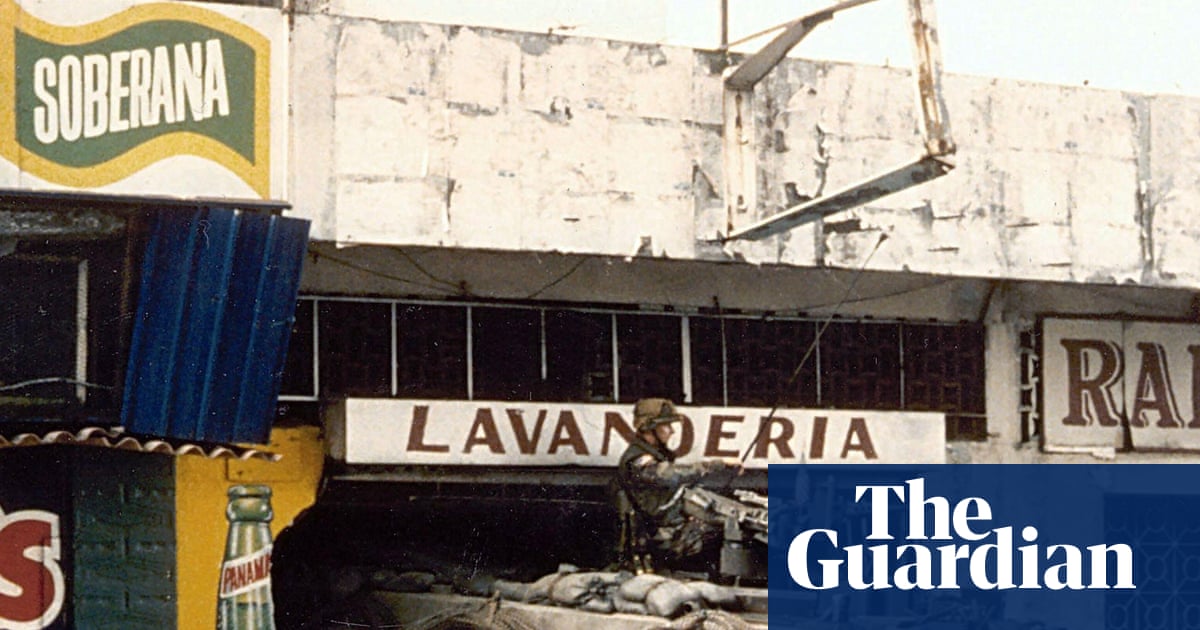
Then, in December 1989, President George H.W. Bush authorized “Operation Just Cause,” a full-scale invasion involving approximately 27,000 US troops. The stated goal was to capture Manuel Noriega, a former CIA ally indicted on drug-trafficking charges in the US. Sadly, the invasion resulted in an estimated 200-500 civilian deaths and around 300 Panamanian soldiers killed. Following the strikes, the US installed Guillermo Endara, the declared winner of the election, as president.
Recurring Patterns and Potential Outcomes
You might be wondering what these historical interventions tell us about the future. It’s critically important to recognize a recurring pattern: US involvement rarely leads to lasting peace, stability, or genuine democracy.
Hear’s what history suggests:
* Succession issues: Interventions often create long-term problems related to political succession and governance.
* Unintended consequences: Actions intended to promote stability can inadvertently fuel resentment and instability.
* Limited Democratic Gains: The imposition of preferred leaders doesn’t guarantee the advancement of robust democratic institutions.
Recent statements regarding Venezuela, with suggestions of US control until a “proper transition” takes place, echo past interventions. This raises concerns about repeating historical mistakes. It’s vital to consider the potential for similar outcomes – prolonged instability and a lack of genuine self-determination – if interventionist policies are pursued.
Ultimately, understanding the complex history of US involvement in Latin America is essential for informed analysis and responsible policymaking. It’s a history that demands careful consideration as we navigate the challenges of the present and future.
Related reading