
Germany Navigates Energy Challenges & historical Reflection: A December Update
Germany faces a complex landscape of energy policy shifts and ongoing historical examination. This update covers recent developments impacting the nation’s energy transition, a key political party’s leadership change, and the impactful reopening of Germany’s House of history.
Energy Transition Faces Headwinds
Germany’s ambitious energiewende – it’s transition to renewable energy – may encounter obstacles. Recent data suggests a potential slowdown, largely due to continued reliance on coal.
Coal remains the third-largest source of electricity in Germany. It’s also a notable contributor to both greenhouse gas emissions and harmful particulate matter, impacting public health. Reducing this dependence is proving challenging.
You might be interested in understanding the financial pressures at play. Berlin currently has the highest electricity prices among European capital cities,a factor influencing both household and industrial energy consumption. learn more about Berlin’s electricity costs here.
BSW Party Shifts Leadership, Maintains Wagenknecht’s Influence
The BSW political party, formerly associated with Sahra Wagenknecht, has a new leadership duo: Fabio De Masi and Amira Mohamed Ali. wagenknecht stepped down as chairwoman over the weekend, but her influence remains strong.
Here’s a swift overview of the changes:
* New Leadership: De masi and Mohamed Ali are now at the helm.
* Name Change: The party will officially drop wagenknecht’s name by October 2026.
* Continued Influence: Wagenknecht heads the party’s core values commission and is expected to continue shaping its strategic direction.
The party congress focused heavily on peace initiatives. Delegates expressed opposition to increased German military spending and involvement in the Ukraine war.However, internal disagreements persist, particularly regarding coalition partnerships in Brandenburg and thuringia. Wagenknecht has voiced concerns about regional branches compromising on core principles.
Want to understand the reasons behind Wagenknecht’s departure? Read more about her stepping down here.
Germany’s House of History Reopens with a Modern Viewpoint
Germany’s Haus der Geschichte (House of History) in Bonn reopened on Monday after a year-long, €25 million refurbishment. This isn’t just a cosmetic update; it’s a fundamental reimagining of how Germany’s post-1945 history is presented.
the museum boasts over one million objects documenting Germany’s recent past. The renovated exhibition aims to be more accessible and interactive.
Key features of the revamped museum include:
* Interactive Exhibits: Visitors can now participate in simulations, like voting on a simulated Bundestag decision.
* Contemporary Focus: The narrative extends beyond the fall of the Berlin Wall, incorporating current challenges like climate change.
* New Artifacts: Relics from the Ahr Valley flood disaster and posters from climate protests are now on display.
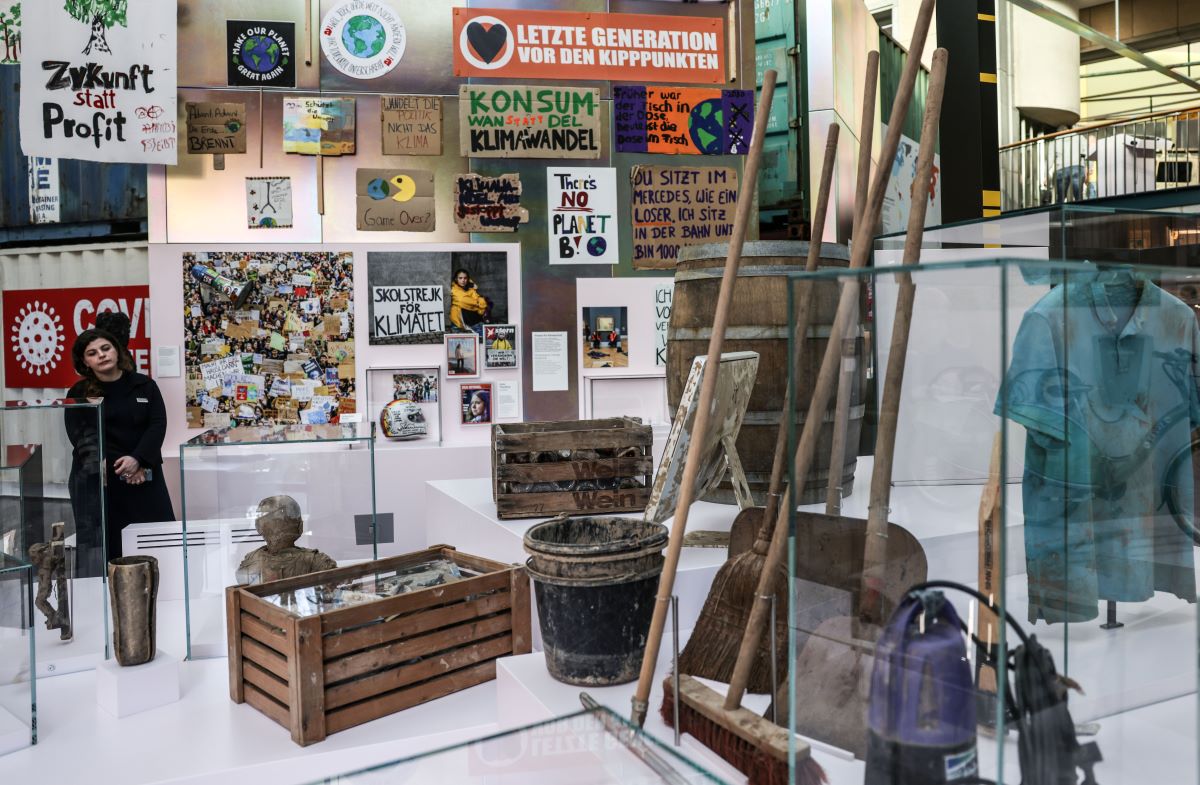
An image of new exhibits at the House of History in Bonn, germany. Photo: picture alliance/dpa | Oliver Berg
Culture State Minister Wolfram Weimer hailed the reopening as a significant moment for all German citizens. The museum now presents German history not as a linear progression, but as an ongoing process shaped by contemporary issues.
This update reflects Germany’s ongoing efforts to balance economic realities with environmental goals, navigate complex political landscapes, and critically examine its own history.
Reporting by DPA and Tom Pugh.
Keep reading