
Tulsi Gabbard Resigns as Director of National Intelligence
Tulsi Gabbard has announced her resignation as the Director of National Intelligence, stepping down from the role to focus on her husband’s health. Her departure marks a significant leadership change within the current administration, occurring just weeks after she faced scrutiny during congressional testimony regarding the administration’s awareness of potential fallout from the conflict involving Iran. The announcement, as reported by the Associated Press, highlights the intersection of personal circumstances and high-stakes national security oversight.
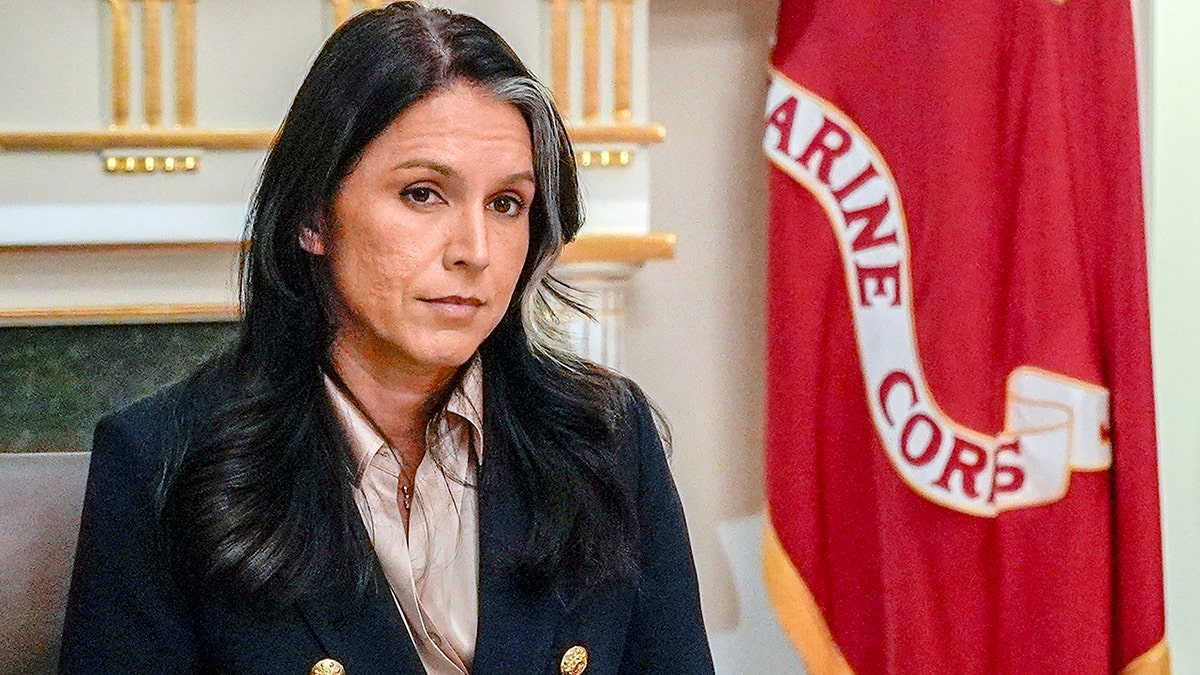
Gabbard’s tenure as the head of the intelligence community had been marked by ongoing questions regarding the coordination of foreign policy and intelligence reporting. During a recent congressional hearing, she was questioned extensively about whether the White House had been adequately warned of the risks associated with the ongoing situation in Iran. While her resignation is framed by the health challenges facing her family, the timing has drawn attention from political observers and lawmakers alike, given the sensitivity of the intelligence matters she oversaw.
A Period of Transition for Intelligence Leadership
The departure of a cabinet-level official responsible for overseeing the intelligence community necessitates a swift transition to ensure continuity in national security operations. As of now, the administration has not finalized a permanent successor, though the confirmation process for other senior officials remains ongoing. For instance, the Senate Committee on Intelligence had previously held hearings regarding the confirmation of other key personnel, such as the nomination for the position of principal deputy director of national intelligence, as noted in recent legislative records.
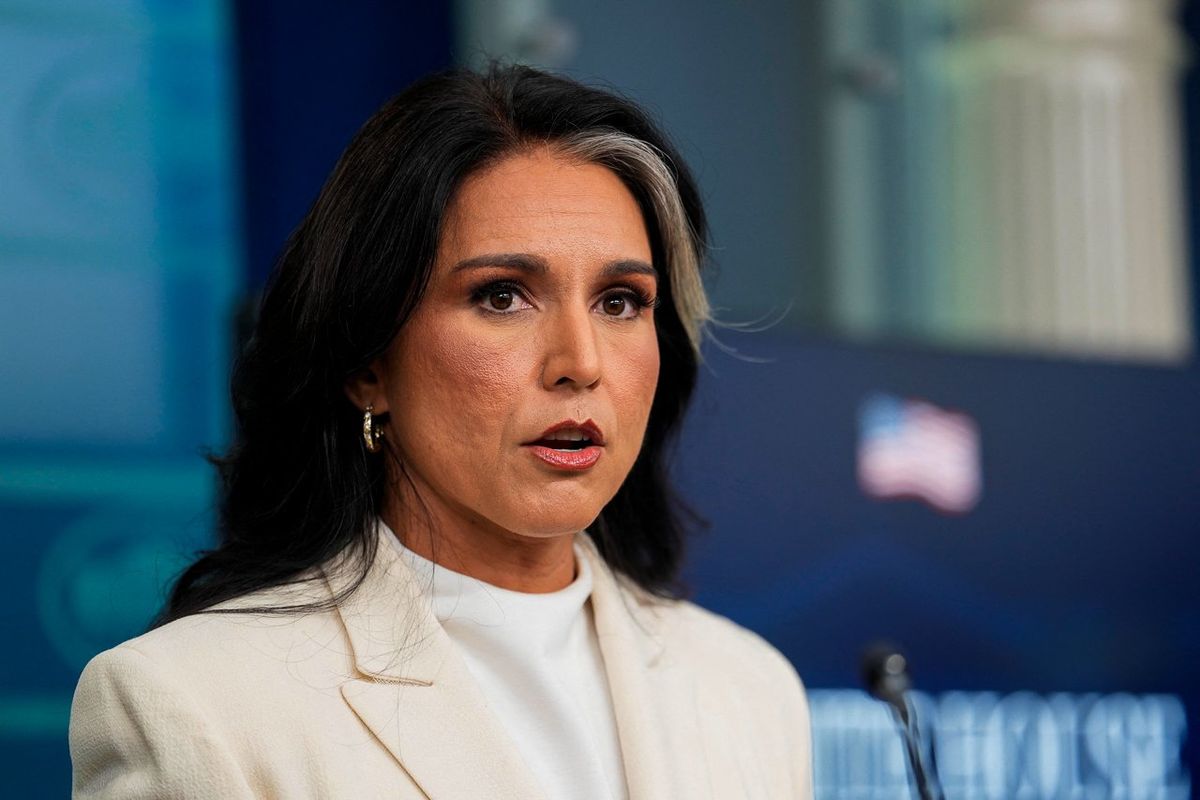
The role of the Director of National Intelligence is critical in synthesizing information across various agencies, including the CIA, NSA, and FBI, to provide the president with a cohesive view of global threats. Gabbard, who had been serving in this capacity since her appointment, often found herself at the center of complex policy debates. Her resignation leaves a void that the administration must fill during a period of heightened geopolitical tension, particularly regarding the administration’s strategic approach to the Middle East.
Congressional Oversight and Transparency
The scrutiny Gabbard faced in recent weeks serves as a reminder of the rigorous oversight role played by the legislative branch. Congressional committees have been persistent in seeking clarity on the intelligence community’s role in assessing regional conflicts. The Associated Press reported that Gabbard had repeatedly avoided providing direct answers during committee hearings regarding internal warnings about the Iran conflict, a point that had become a flashpoint for critics of the administration’s foreign policy transparency.
As the Senate continues its work, members of the intelligence committee are expected to prioritize the vetting of any forthcoming nominee for the DNI post. The ability of the next director to maintain the confidence of both the executive branch and congressional overseers will be paramount to the effective functioning of the U.S. Intelligence apparatus.
Looking Ahead
The immediate focus of the intelligence community will remain on the transition and the ongoing management of global security threats. While the administration has not yet provided a specific timeline for the appointment of an acting director or a formal nominee to replace Gabbard, the Senate Committee on Intelligence is expected to play a central role in the confirmation process. Updates regarding the nomination and the transition of power will be monitored closely as the administration navigates this leadership change.

For those tracking these developments, official updates regarding executive branch appointments and senate hearing schedules are typically published through the Senate Select Committee on Intelligence and the White House press office. We will continue to provide updates as more information becomes available regarding the future of the Office of the Director of National Intelligence.