
Tulsi Gabbard, the United States Director of National Intelligence, has submitted her resignation to President Donald Trump, marking a significant shift in the administration’s national security leadership. Her departure, scheduled for June 30, 2026, follows a period of mounting tension within the White House regarding the oversight of the nation’s 18 intelligence agencies. The resignation comes amid reports that the President had previously questioned her tenure, as the administration navigates complex foreign policy challenges, particularly regarding Iran’s nuclear capabilities.
The transition of the intelligence directorate occurs during a politically charged environment, with the administration’s foreign policy goals often at odds with traditional intelligence assessments. Gabbard, who has maintained a complicated relationship with the President’s political base, cited her husband’s recent cancer diagnosis as the primary reason for her decision to step down from her post. Despite the personal nature of her announcement, the timing has intensified discussions regarding the internal dynamics of the Trump administration.
Policy Clashes and Intelligence Oversight
Throughout her tenure, Gabbard’s approach to foreign policy—specifically her skepticism toward regime-change interventions—became a point of friction between her office and the President. While she demonstrated loyalty to the administration on several domestic fronts, her handling of intelligence reports concerning Iran’s nuclear program drew scrutiny from the White House. The tension underscores a broader struggle within the executive branch over the role of intelligence in shaping foreign policy, particularly as the President has sought to consolidate control over agencies that have historically operated with significant autonomy.
Gabbard’s tenure was marked by a pivot between her anti-war platform and the political expectations of the administration. Her efforts to align with the President, including her public comments regarding past election interference, were viewed by political analysts as an attempt to navigate the “Deep State” grievances frequently voiced by the President. However, these efforts proved insufficient to shield her from the fallout caused by her fundamental disagreements on foreign engagements. For more information on the structure and official oversight of U.S. Intelligence, readers can consult the Office of the Director of National Intelligence official website.
The Resignation and Future Implications
The resignation, which takes effect at the end of June, leaves a critical vacancy in the intelligence community. The position of Director of National Intelligence is responsible for managing the United States Intelligence Community, a complex network of 18 separate agencies. The selection of a successor will be closely watched by lawmakers and international observers, as the administration’s posture toward global conflicts, particularly in the Middle East, remains a central theme of its foreign policy agenda.
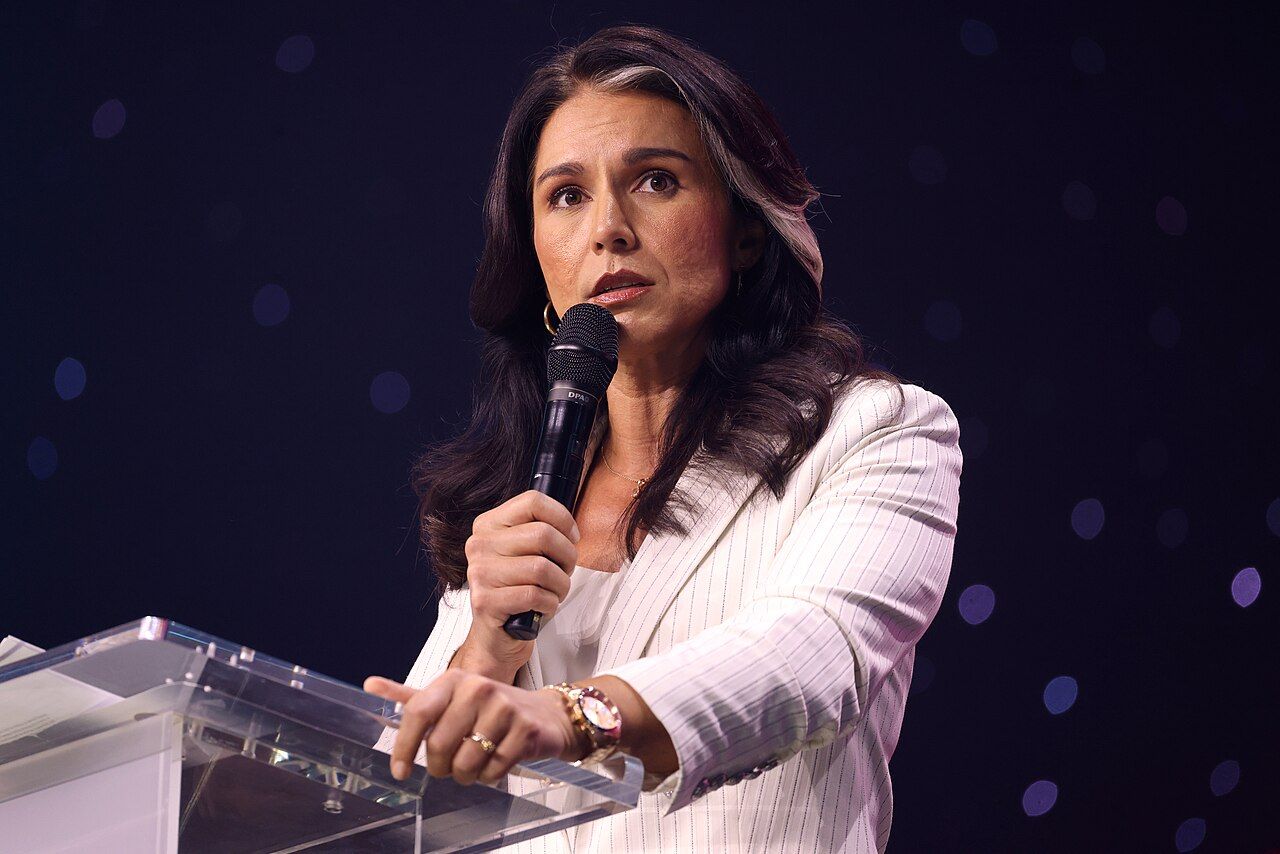
The departure is expected to weaken the influence of the anti-war faction within the administration’s orbit. Critics and supporters alike are analyzing what this exit means for the President’s future policy decisions. With the administration currently engaged in high-stakes negotiations, the vacancy at the top of the intelligence hierarchy introduces a layer of uncertainty regarding how future assessments will be integrated into executive decision-making. Official updates regarding the nomination process for a new director will be made available through the White House Press Office.
Key Developments in Context
The political landscape surrounding the intelligence community remains fluid. As the administration prepares for the upcoming midterm cycle, the focus on foreign policy—and the internal management of intelligence—will likely remain a point of contention. The following points summarize the current status of the administration’s national security landscape:

- Gabbard’s resignation is effective as of June 30, 2026.
- The role oversees the integration of data across 18 U.S. Intelligence agencies.
- Foreign policy disagreements, specifically concerning Iran, have been identified as a primary source of friction.
- The administration’s broader strategy on foreign engagement continues to evolve ahead of midterm political deadlines.
As the administration moves toward this leadership change, the focus will shift to who the President selects to lead the intelligence community and whether that individual will maintain the same level of policy-oriented tension seen during Gabbard’s tenure. The public and stakeholders are encouraged to monitor official government portals for upcoming confirmation hearings and briefings related to the transition.
We invite our readers to share their analysis and perspectives on these developments in the comments section below. As this story continues to evolve, our team at World Today Journal remains committed to providing verified, in-depth reporting on the intersection of national security and global political affairs.
Related reading