Tunisian Aid Workers Face Trial Amidst rising Concerns Over Migrant Rights
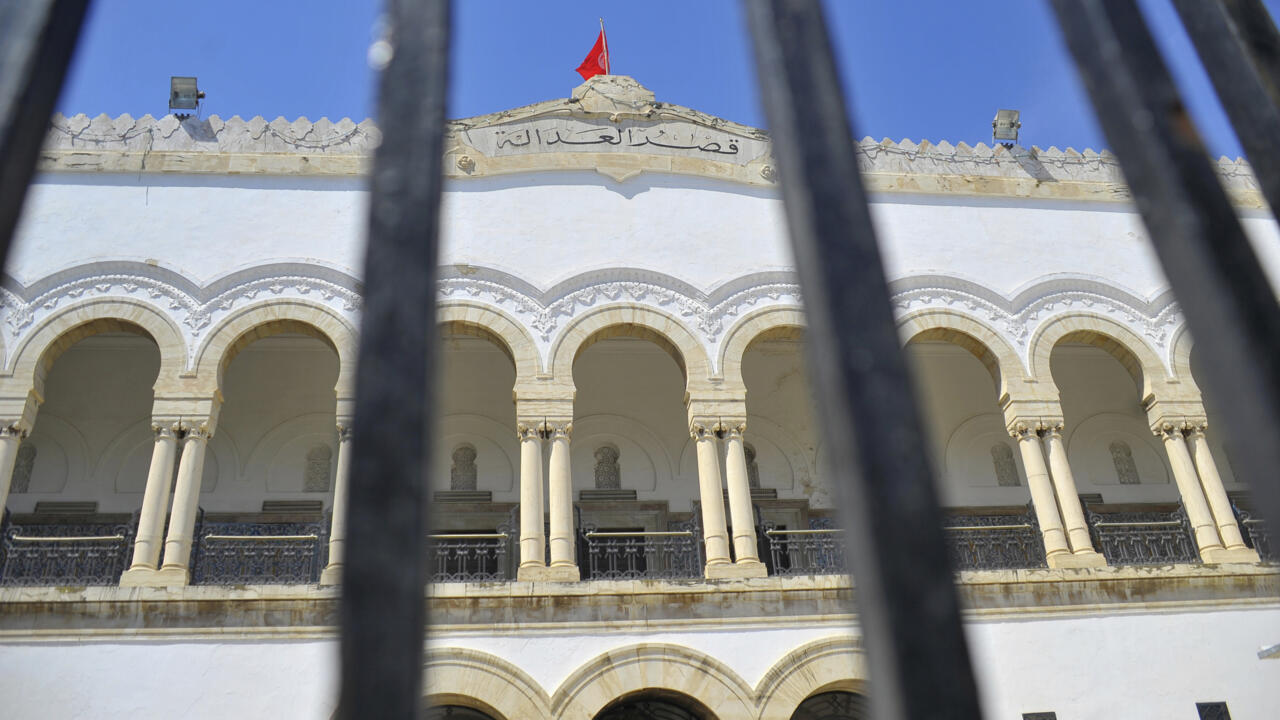
A tunisian court recently held the first trial stemming from a May 2024 crackdown on aid organizations assisting refugees and asylum seekers. This case involves members of the Tunisian Refugee Council (TRC), raising important concerns about the escalating restrictions on humanitarian work within the country.Human Rights Watch has urgently called for the dropping of charges against these aid workers, fearing potential sentences of up to ten years in prison.
The Case Against the TRC
The TRC, which partnered with the UN Refugee Agency (UNHCR) to process asylum claims, finds itself at the center of a contentious legal battle. Three TRC members appearing in court were acquitted, according to lawyer Mounira Ayadi.However, the ongoing prosecution of others signals a worrying trend.
Lawyers representing the defendants strongly maintain that the TRC operated legally. They emphasize the institution’s “exclusive partnership” and formal agreement with the UNHCR. This collaboration focused on providing emergency housing for vulnerable asylum seekers and refugees.
“The TRC carried out essential protection work in support of refugees and asylum seekers, operating legally with international organizations accredited in Tunisia,” the group stated. Targeting such organizations, they argue, criminalizes vital assistance and leaves those most in need without support.
A Broader Context of Migration Challenges
Migration through Tunisia is a complex and sensitive issue. Tens of thousands of people attempt to reach Europe via Tunisia each year, making it a crucial transit point. This situation is further complicated by internal political and social factors.
In February 2023, President Kais Saied publicly warned of a “demographic threat” posed by migrants, particularly those from sub-Saharan Africa. This rhetoric unluckily fueled a wave of racially motivated attacks. Consequently, thousands of migrants were forced from thier homes and jobs.
The aftermath saw widespread displacement and hardship. Thousands were repatriated, attempted risky Mediterranean crossings, or were expelled to the harsh desert borders with Algeria and Libya. Tragically, at least a hundred people died during that summer alone.
International Response and Concerns
The European Union has increased efforts to manage migration flows, including a €255-million deal with Tunisia.However, critics argue that these measures often come at the expense of migrant rights and humanitarian access.
The arrests in May 2024 extended beyond the TRC, encompassing members of French group terre d’Asile and the anti-racist organization Mnemty. These individuals remain in detention, awaiting trial.
This situation demands careful scrutiny. You, as a concerned citizen, should understand the implications of restricting humanitarian aid. It’s crucial to remember that providing assistance to vulnerable populations is not a crime, but a essential human responsibility.
Key Takeaways:
* The trial of TRC members represents a concerning trend of criminalizing humanitarian work in Tunisia.
* The organization operated legally in partnership with the UNHCR, providing essential support to refugees and asylum seekers.
* President Saied’s rhetoric contributed to a climate of discrimination and violence against migrants.
* International efforts to curb migration must prioritize human rights and ensure access to protection for vulnerable individuals.
This situation underscores the urgent need for a more humane and rights-based approach to migration management. It’s a challenge that requires international cooperation,respect for international law,and a commitment to protecting the dignity of all individuals,regardless of their origin or status.
Keep reading
- Stunning Australian Wildlife Encounter: Photographer Mistakes Blood for Predator Attack
- Tonight’s Weather: Showers and Storms Continue Before Clearing
- MasterChef Contestant Suspended After Incident Involving Fertilised Eggs (archynewsy.com)
- Spain Reports Reversal of Migrant Surge Into Ceuta Enclave (archyde.com)