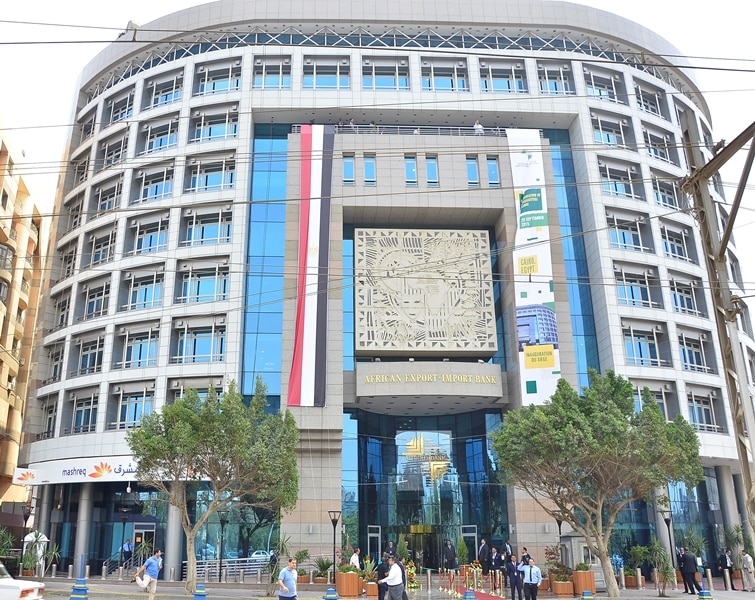
The Tunisian government has finalized a $500 million loan agreement with the African Export-Import Bank (Afreximbank) to support the country’s national budget and meet urgent liquidity needs. The financing, which follows months of negotiations between Tunisian authorities and the multilateral financial institution, was officially ratified by the Tunisian state to bolster foreign exchange reserves and stabilize public finances, according to a report published by the African Export-Import Bank.
This financial injection arrives as Tunisia navigates a challenging economic landscape characterized by high debt service obligations and the necessity of securing external funding to cover essential imports. The $500 million facility is intended to provide the necessary fiscal space for the government to maintain its core economic operations in the coming months. The agreement was confirmed following the necessary legislative and executive approvals required under Tunisian law, as outlined in official government documentation regarding international loan ratifications.
Context of the Afreximbank Financing
Afreximbank, a pan-African multilateral trade finance institution, has increasingly stepped in to provide liquidity support to African nations facing global macroeconomic pressures. For Tunisia, this loan serves as a significant component of its broader strategy to diversify funding sources beyond traditional multilateral lenders. The bank’s intervention is part of its mandate to facilitate intra-African trade and support the economic development of its member states, as detailed in the Afreximbank operational overview.
The loan agreement is structured to assist the Central Bank of Tunisia and the Ministry of Finance in managing the national balance of payments. By securing this $500 million, the authorities aim to mitigate potential supply chain disruptions and ensure the availability of foreign currency for critical imports, including energy and food staples. This move is consistent with the country’s efforts to maintain macroeconomic stability amid regional volatility and global inflationary trends.
Economic Implications for Tunisia
The ratification of this loan is viewed by market observers as a stabilizing signal for the Tunisian economy. While the national budget continues to face structural deficits, the infusion of capital from Afreximbank provides a temporary buffer. According to data from the World Bank regarding Tunisia’s economic outlook, the country has been working to implement fiscal reforms to manage its public debt, which remains a primary focus for international creditors and rating agencies.
The involvement of a regional lender like Afreximbank highlights the growing importance of intra-continental financial cooperation. Unlike some international loans that come with extensive structural adjustment requirements, the terms associated with this specific facility are designed to align with the bank’s mission to support trade and industrialization. This allows the Tunisian administration to address immediate fiscal pressures while continuing to negotiate long-term economic strategies with other international partners.
Next Steps for Fiscal Management
With the $500 million now secured, the focus shifts toward the implementation of the 2024 and 2025 budgetary goals. The Tunisian Ministry of Finance is expected to provide updates on the deployment of these funds in its upcoming quarterly fiscal reports, which are accessible through the official portal of the Ministry of Finance of Tunisia. These reports will detail how the liquidity is allocated to support public services and national economic initiatives.
Future developments regarding Tunisia’s debt management strategy will likely be discussed during the next cycle of international financial meetings, where government officials typically engage with institutional investors and development partners. The government continues to emphasize its commitment to meeting all external debt obligations on schedule, a key metric for maintaining investor confidence in the North African market. As the situation evolves, stakeholders are encouraged to monitor official government announcements for further details on the country’s fiscal trajectory.
What are your thoughts on how regional institutions like Afreximbank are shaping the economic future of North Africa? Share your perspective in the comments below or join the conversation on our social media channels.