Tunisia Cracks Down on Food Fraud as Ramadan Approaches
As Tunisia prepares for the holy month of Ramadan, authorities are intensifying efforts to combat food fraud, including the sale of smuggled goods and the misrepresentation of locally produced items as imports. Recent reports indicate a surge in illicit activity, prompting the Ministry of Commerce to issue warnings to consumers and increase surveillance across the country. The issues center around bananas and apples, with concerns extending to potential health risks associated with unregulated products. This comes amid a broader effort to stabilize prices and ensure food security during a period of heightened demand.
The Ministry of Commerce is actively monitoring markets to prevent the sale of contraband bananas and the deceptive practice of labeling Tunisian apples as imported varieties. This intervention is crucial, not only to protect consumers from inflated prices but also to support local farmers and maintain the integrity of the national food supply chain. The government’s response reflects a growing concern over the impact of illegal trade on the Tunisian economy and public health. The focus on these specific products highlights vulnerabilities in the distribution system and the potential for exploitation during peak seasons like Ramadan.
Bananas of Concern: Smuggling and Price Manipulation
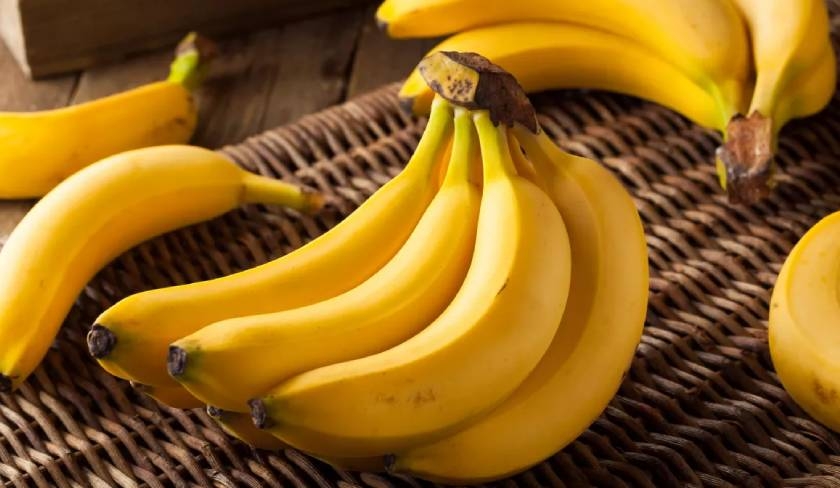
Recent investigations have revealed a significant influx of smuggled bananas being sold outside of official market channels, primarily on public roads and in informal retail outlets. According to reports from February 24, 2026, approximately 800 kilograms of contraband bananas were seized by Tunisian authorities. La Presse details that these bananas are being reintroduced into legal circuits at regulated prices – 7 dinars per kilogram for those originating from Latin America and 5 dinars per kilogram for those from Egypt. Despite these efforts, some vendors continue to charge excessive prices, capitalizing on temporary shortages in organized markets.
Samir Khalfaoui, Director of Economic Research at the Ministry of Commerce and Export Development, stated that these illicit bananas are distributed through unregulated points of sale. He emphasized that the economic control services are conducting daily monitoring of this sector. The practice of selling outside of established markets allows for price gouging and circumvents quality control measures, potentially exposing consumers to health risks. The Ministry is working to disrupt these parallel distribution networks and enforce price controls.
Local Apples Masquerading as Imports
Adding to the concerns, authorities have identified a disturbing trend during the lead-up to Ramadan: the sale of locally grown Tunisian apples falsely advertised as imported varieties. These apples are being sold at significantly higher prices, reaching up to 10 dinars per kilogram, despite a record national apple harvest. Business News reports that the retail price of locally grown apples should not exceed 6.250 dinars per kilogram, suggesting that any higher price indicates an illegal supply chain. This deceptive practice exploits consumer perceptions of quality and willingness to pay a premium for imported goods.
Khalfaoui underscored that the national apple harvest is abundant, making the inflated prices for “imported” apples particularly egregious. The Ministry is urging consumers to be vigilant and report any suspicious pricing or labeling practices. This deceptive marketing tactic not only harms consumers but also undermines the efforts of Tunisian apple farmers who are producing a high-quality product at a reasonable cost.
Broader Crackdown on Economic Infractions
The Ministry of Commerce’s efforts to curb food fraud are part of a larger campaign to address economic infractions across Tunisia. La Presse reported that nearly 3,400 economic violations were recorded during the first five days of Ramadan, averaging around 650 infractions per day nationwide. These violations include price increases, monopolistic practices, refusal to sell, conditional sales, and the lack of price transparency.
Authorities have seized 35 tonnes of subsidized cereal derivatives and identified 30 instances of manipulation within the subsidy system. 5.4 tonnes of fruits and vegetables (including the aforementioned 800 kg of contraband bananas), 12,805 eggs, 2,489 liters of subsidized vegetable oil, 840 cans of tomato paste, 7.7 tonnes of sugar, and 3,122 packs of tobacco were confiscated. These seizures demonstrate the scale of illicit economic activity and the government’s commitment to enforcing regulations.
Consumer Protection and Future Outlook
The Ministry of Commerce is appealing to consumers to cooperate with authorities by avoiding products of dubious origin and reporting any suspected fraudulent activity. This collaborative approach is essential to effectively combatting food fraud and protecting public health. The Ministry emphasizes that purchasing from unregulated sources carries inherent risks, as these products are not subject to the same quality control standards as those sold through official channels.
Looking ahead, the Ministry plans to continue its intensified monitoring efforts throughout Ramadan and beyond. The focus will remain on disrupting illegal supply chains, enforcing price controls, and ensuring that consumers have access to safe, affordable food. The government is also exploring measures to strengthen the regulatory framework and enhance penalties for economic infractions. The success of these efforts will be crucial to maintaining economic stability and protecting the interests of Tunisian consumers.
The next key development will be the release of a comprehensive report by the Ministry of Commerce detailing the results of the Ramadan monitoring period, expected in early April 2026. Consumers are encouraged to stay informed and report any concerns to the relevant authorities. Share your thoughts and experiences in the comments below.
Worth a look
- How Trump and DOGE Weakened Food Safety, Fueling the Largest Cyclosporiasis Outbreak in US History
- Air-e Energy Rates Rise Again: Caribbean Users Face Higher Electricity Bills
- Google Pixel 11 Pro: Leaks, Price Hikes, and New Glow Color Details (newsdirectory3.com)
- Chelsea Set Sale Price for Enzo Fernández After Rejecting Pay Rise (archynewsy.com)