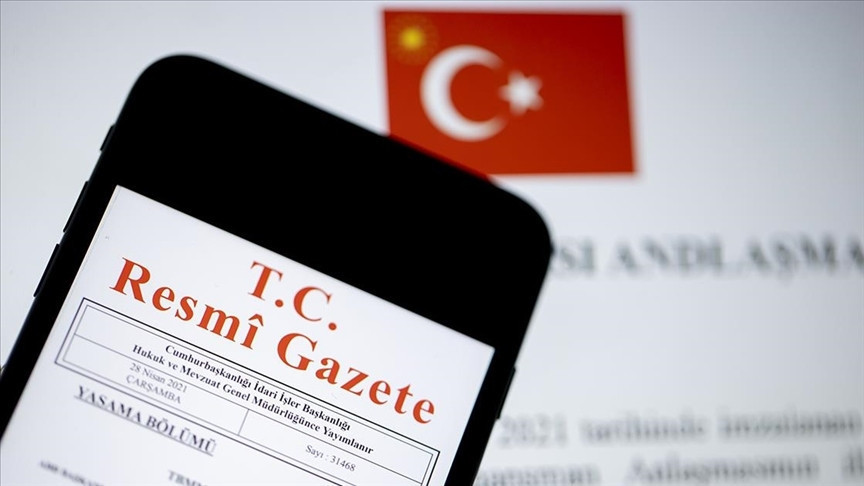
London, United Kingdom – A sweeping series of appointments across multiple Turkish government ministries, diplomatic postings and university rectorships were announced today, March 19, 2026, following a decree signed by President Recep Tayyip Erdoğan. The changes, published in the Official Gazette, signal a significant reshuffling of personnel within key institutions, impacting areas from justice and family services to international representation and higher education. These Cumhurbaşkanlığı appointments underscore the President’s continued authority in shaping the Turkish administrative landscape.
The breadth of the changes suggests a potential effort to consolidate power and implement new strategic priorities across various sectors. While the motivations behind the reshuffle remain subject to analysis, the appointments come at a time of ongoing economic challenges and geopolitical shifts in the region. The timing of these changes, following the commemoration of the 111th anniversary of the Çanakkale Deniz Zaferi (Dardanelles Naval Victory), as highlighted by the Presidency, may also carry symbolic weight, emphasizing national strength and continuity.
The appointments, detailed in the Official Gazette, affect a wide range of positions, including general directors within the Ministries of Justice and Family and Social Services, as well as ambassadorial roles to several countries. Several university rectors have also been replaced, indicating a potential shift in the government’s approach to higher education. The scale of the changes necessitates a detailed examination of the individuals involved and the potential implications for their respective institutions.
Justice Ministry Overhaul
The Ministry of Justice experienced a substantial turnover of senior leadership. According to the published decree, several General Directors were relieved of their duties, including Oğuzhan Yaşar (Director General of Penal Affairs), Hakan Öztatar (Director General of Legal Affairs), Enis Yavuz Yıldırım (Director General of Penal Institutions and Detention Houses), Yusuf Soner Çiftçioğlu (Director General of Personnel), Abdurrahim Taş (Director General of Legal Services), Servet Gül (Director General of Information Technology), Cihan Yıldız (Head of the Inspection Board), Hasan Özçelik (Head of the Executive Affairs Department), İbrahim Çetin (Head of the Support Services Department), and Meral Gökkaya (Head of the Judicial Support and Victim Services Department).
Replacing these officials are Hazım Aslancı (Director General of Penal Affairs), Erdinç Avşar (Director General of Legal Affairs), Çelebi Yılmaz (Director General of Penal Institutions and Detention Houses), Cahit Cihad Sarı (Director General of Personnel), Mücahit Gülşen (Director General of Legal Services), Mehmet Murat Tuzcu (Director General of Information Technology), Murat Gülaç (Head of the Inspection Board), Yusuf Kılıç (Head of the Executive Affairs Department), Murat Akınbingöl (Head of the Support Services Department), Berkay Altuğ (Head of the Judicial Support and Victim Services Department), and Metin Yıldırım (President of the Turkey Justice Academy). These appointments represent a significant restructuring of the Ministry’s leadership, potentially signaling a change in policy direction or operational priorities.
Changes in Family and Social Services Ministry
The Ministry of Family and Social Services also saw key personnel changes. Ayşegül Yıldırım Kara was removed from her position as Director General of Child Services, with Hasan Basri Alagöz appointed in her place. Samiye Korkmaz was appointed as Deputy Director General for Family and Community Services within the ministry. These changes within the Ministry of Family and Social Services suggest a renewed focus on child welfare and family support programs.
Diplomatic Appointments
Several Turkish ambassadors received new postings, reflecting a recalibration of Turkey’s diplomatic efforts. Şule Öztunç, previously the Ambassador to Latvia, has been appointed as the Ambassador to El Salvador. Ahmet Cemil Miroğlu, formerly the Director General of Protocol and Diplomatic Affairs, will now serve as the Ambassador to Latvia. Emir Salim Yüksel, previously the Ambassador to Malaysia, has been appointed as the Ambassador to Colombia, while Mesut Özcan will take up the role of Ambassador to Cambodia. These diplomatic shifts indicate a strategic reassessment of Turkey’s foreign policy priorities and a desire to strengthen ties with key partners in Latin America, Southeast Asia, and Central America.
Agricultural and Forestry Ministry Updates
Within the Ministry of Agriculture and Forestry, Neşat Onur Şanlı has been appointed as the Deputy Director General of Water Management, filling a previously vacant position. This appointment suggests a continued emphasis on sustainable water resource management and agricultural productivity.
Regional Directorate Appointments in Nature Conservation
Significant changes were also made within the General Directorate of Nature Conservation and National Parks. Kemal Can was appointed as the 5th Regional Director, Hakan Mumcuoğlu as the 6th Regional Director, Ahmet Çörtük as the 9th Regional Director, Ali Bozkurt as the 10th Regional Director, Akif Ümüzer as the 13th Regional Director, Melikunnas Özkaya as the 14th Regional Director, Hacı Ahmet Çiçek as the 2nd Regional Director, and Resul Doğan as the 11th Regional Director. These appointments indicate a focus on strengthening regional management of Turkey’s natural resources and protected areas.
Trade Ministry Reshuffle
The Ministry of Trade also experienced changes, with Burak Güreşci removed from his position as Deputy Director General of Imports. Ahmet Akdemir and Yakup Sefer were appointed as Deputy Directors General of Customs, while İsmail Hak and Veysel Çiftci were appointed as Deputy Directors General for Consumer Protection and Market Surveillance. Buğrahan Manav was appointed as Deputy Director General of Personnel. Mehmet Yapıcı was appointed as the Regional Director of the Western Marmara Customs and Foreign Trade Regional Directorate, Şenol Alkan as the Regional Director of the Central Anatolia Customs and Foreign Trade Regional Directorate, and Ali Topçu as the Regional Director of the Thrace Customs and Foreign Trade Regional Directorate. These changes within the Ministry of Trade suggest a focus on streamlining customs procedures, enhancing consumer protection, and improving personnel management.
University Rector Appointments
The appointments extended to the leadership of several universities. Prof. Dr. İbrahim Taner Okumuş was appointed as the Rector of Kahramanmaraş Sütçü İmam University, Prof. Dr. Hasan Ali Karasar as the Rector of Kapadokya University, Prof. Dr. Şebnem Kavaklı as the Rector of the Higher Specialized University, Prof. Dr. Ayşe Başar as the Rector of Kadir Has University, and Prof. Dr. İsmail Küçük as the Rector of Istanbul Sabahattin Zaim University. These appointments reflect the government’s influence over higher education institutions and its commitment to shaping the academic landscape.
Batman İl Milli Eğitim Müdürlüğü Appointment
Finally, Yaşar Ciğer was appointed as the Provincial Director of National Education for Batman, filling a vacant position within the Ministry of National Education.
The cumulative effect of these appointments is a significant reshaping of the Turkish government’s administrative structure. The changes span a wide range of sectors, indicating a comprehensive effort to align personnel with the President’s vision for the country’s future. The long-term implications of these appointments remain to be seen, but they undoubtedly represent a pivotal moment in Turkish politics and governance.
Further details regarding the rationale behind these specific appointments and the anticipated policy shifts are expected to emerge in the coming weeks. The Official Gazette will continue to serve as the primary source of information regarding these and future government decisions. The public will be closely watching to see how these changes translate into tangible outcomes for Turkish citizens and the country’s standing on the international stage.
Key Takeaways:
- President Erdoğan has enacted a large-scale reshuffle of government officials.
- Changes span multiple ministries, including Justice, Family and Social Services, and Trade.
- Several ambassadorial postings have been filled, signaling a recalibration of foreign policy.
- University rector appointments demonstrate continued government influence over higher education.
Readers are encouraged to share their thoughts and perspectives on these developments in the comments section below. Your engagement is valued and contributes to a more informed discussion.
Related reading