
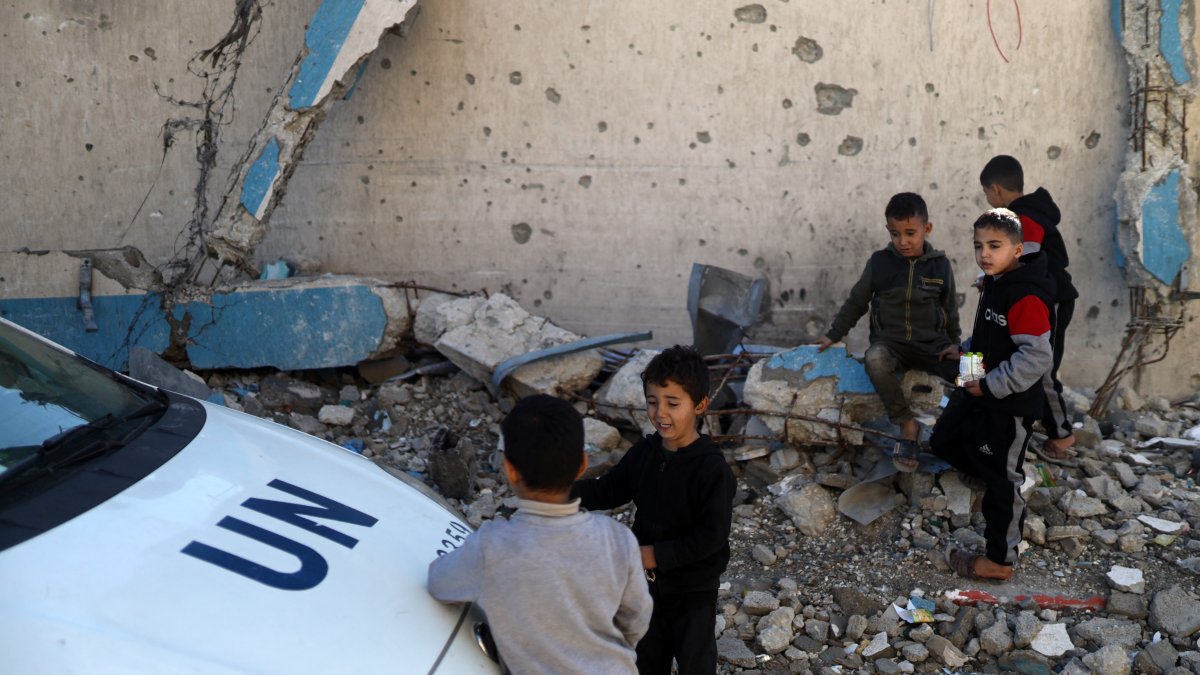
Türkiye’s Permanent Representative to the United Nations, Ambassador Ahmet Yıldız, warned on Tuesday that the United Nations Relief and Works Agency for Palestine Refugees in the Near East (UNRWA) is facing unprecedented political attacks aimed at undermining its mandate. Speaking during a session at the UN, Yıldız described these efforts as an attempt to dismantle the agency’s support structure for Palestinian refugees amid the ongoing humanitarian crisis in Gaza.
The warning comes as the agency faces intense scrutiny and a series of legislative challenges from member states. According to official records from the United Nations, the agency is currently navigating a period of severe financial instability compounded by accusations regarding the neutrality of its staff. Ambassador Yıldız emphasized that the survival of UNRWA remains essential for regional stability and the fundamental rights of millions of refugees who rely on its health, education, and social services.
The Scope of Political Pressure on UNRWA
Ambassador Yıldız argued that the pressure on UNRWA is not merely administrative but political in nature. He noted that the agency has become a target for those seeking to alter the status of Palestinian refugees. This perspective aligns with reports from the UNRWA official portal, which maintains that its mandate is derived from the UN General Assembly and is critical to the humanitarian response in the West Bank, Gaza, Jordan, Lebanon, and Syria.
The agency has been under significant strain since January 2024, following allegations by Israeli authorities that a small number of its staff members were involved in the October 7 attacks. In response, UNRWA terminated the contracts of several employees and launched an independent review. The independent review group, led by former French Foreign Minister Catherine Colonna, later concluded that while the agency has a robust neutrality framework, there are critical gaps in its implementation and political oversight.
Legislative Challenges and International Funding
The political landscape surrounding the agency shifted significantly following legislative actions in the Israeli Knesset. In October 2024, the Knesset passed two bills aimed at restricting UNRWA’s operations within Israel and occupied East Jerusalem, effectively banning the agency from coordinating with Israeli officials. According to reporting by Reuters, these laws pose a severe threat to the agency’s ability to deliver aid, as the Israeli government controls the entry points for humanitarian supplies into Gaza.
The international community remains divided on the agency’s future. While several donor nations initially suspended funding following the October allegations, many have since resumed their contributions, citing the lack of viable alternatives for aid delivery. The UN Charter mandates that the agency continue its work unless otherwise directed by the General Assembly, yet the practical application of this mandate is currently hindered by the legislative barriers imposed by host authorities.
Humanitarian Impact and Future Outlook
The humanitarian consequences of a potential collapse of UNRWA services are significant. The agency provides schooling for over 500,000 children and operates primary healthcare clinics for millions of registered refugees. As noted by the United Nations Secretariat, the loss of these services would force an already overwhelmed system to rely on ad-hoc aid, which international observers warn is insufficient to meet the basic needs of the population.
The next major checkpoint for the agency involves upcoming sessions of the UN General Assembly, where member states are expected to discuss the long-term funding and legal protections of the agency. As the situation evolves, international stakeholders continue to monitor whether the diplomatic pressure exerted by nations like Türkiye will result in a coordinated effort to safeguard the agency’s operations or if the legislative bans will lead to a permanent reduction in its capacity.
Readers interested in following these developments can monitor official updates through the UN General Assembly news portal. We welcome your thoughts on the future of international aid organizations in conflict zones; please share your perspective in the comments section below.