
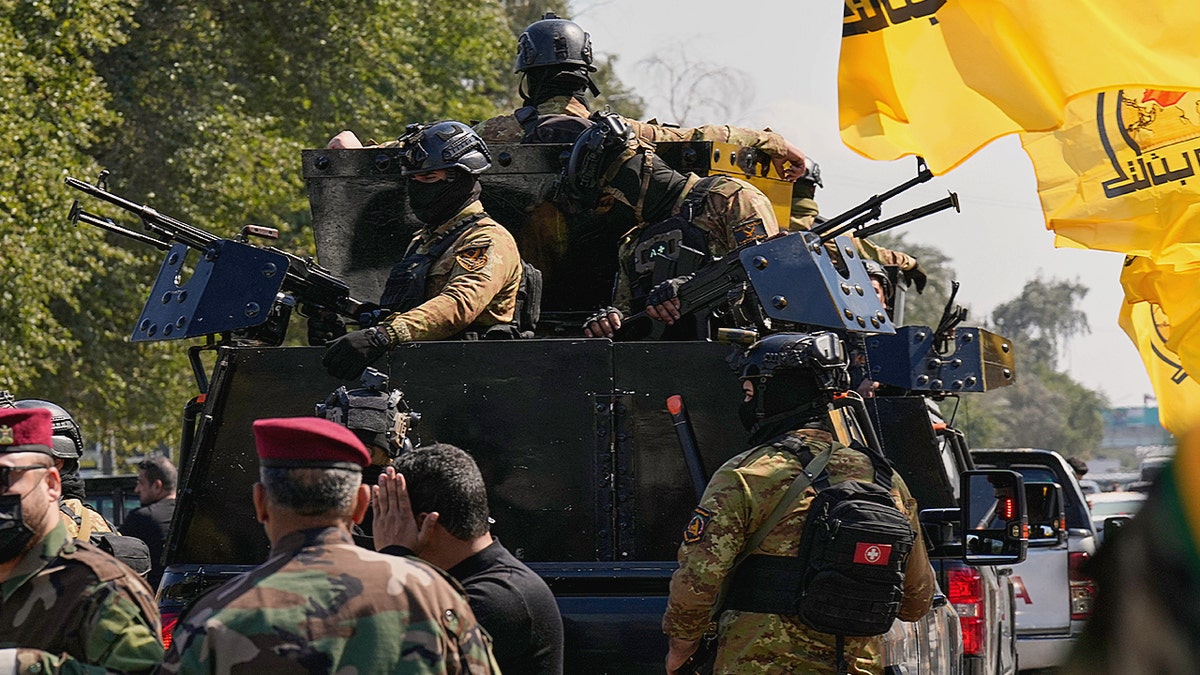
The United States, Lebanon, and Israel announced a conditional ceasefire agreement on June 3, 2026, aimed at de-escalating the ongoing conflict, though the proposal has already faced significant pushback from militant leadership. The joint statement declared that the ceasefire is contingent upon a complete cessation of fire by Hizbollah and the evacuation of its operatives from the South Litani Sector. However, the proposed security framework remains in jeopardy as regional actors continue to issue conflicting demands regarding the scope of the hostilities.
Reporting on such volatile developments requires a commitment to verifying official statements against the tactical realities on the ground, ensuring that our readers receive a clear picture of how these diplomatic overtures are being received by the parties involved.
The Proposed Ceasefire Framework
The trilateral announcement, coordinated by the U.S., Israel, and Lebanon, seeks to establish a buffer zone by requiring Hizbollah to vacate the territory south of the Litani River. According to the joint statement released on June 3, 2026, the primary objective is to halt cross-border fire and stabilize the southern Lebanese front. This proposal relies on the assumption that a geographical separation of forces will provide the necessary security for a broader cessation of hostilities.

The reaction from Hizbollah was swift and dismissive. One day after the announcement, Hizbollah’s secretary-general characterized the terms as a strategic trap. According to the secretary-general, the proposal to stop fire while forcing fighters to abandon the southern battlefield amounts to a demand for surrender. The leadership emphasized that any acceptable agreement must be comprehensive, refusing to distinguish between the southern front and the rest of Lebanese territory. They maintained that the resistance would continue as long as the current military pressure persists.
Regional Implications and IRGC Demands
The impasse is further complicated by the involvement of the Islamic Revolutionary Guard Corps (IRGC). The IRGC issued a statement asserting that their primary condition for accepting a ceasefire in the regional war has been a ceasefire on all fronts. They explicitly rejected any agreement that does not address the broader regional war, signaling that the conflict is viewed as an interconnected series of battles rather than isolated skirmishes.
Furthermore, Iranian media reported that the head of the IRGC’s Quds Force has demanded a full Israeli withdrawal to the positions it held before the outbreak of the 40-day war. This demand stands in direct opposition to the conditions laid out in the joint statement, which focuses on specific tactical withdrawals in southern Lebanon rather than a return to pre-war territorial status quo. The divergence between these positions highlights the significant gap between the diplomatic efforts and the military objectives of the regional powers involved.
The Path Forward
At this stage, the ceasefire agreement remains in a state of diplomatic deadlock. The conflicting requirements—ranging from the evacuation of the South Litani Sector to the IRGC’s demand for a comprehensive withdrawal—suggest that negotiations are far from conclusion. Observers are now looking toward the next round of back-channel communications to see if any compromise can be found, or if the current military posture will continue to dictate the terms of the engagement.

We will continue to track these developments as official statements are released by the involved governments and militant leadership. For ongoing updates on this developing story, please check our live feed, and we encourage our readers to share their insights or questions in the comments section below. Accurate, balanced reporting is our priority as this situation evolves.