Sabah‘s Fight Against Turtle Trafficking: A Deep Dive into the Semporna Shell Seizure
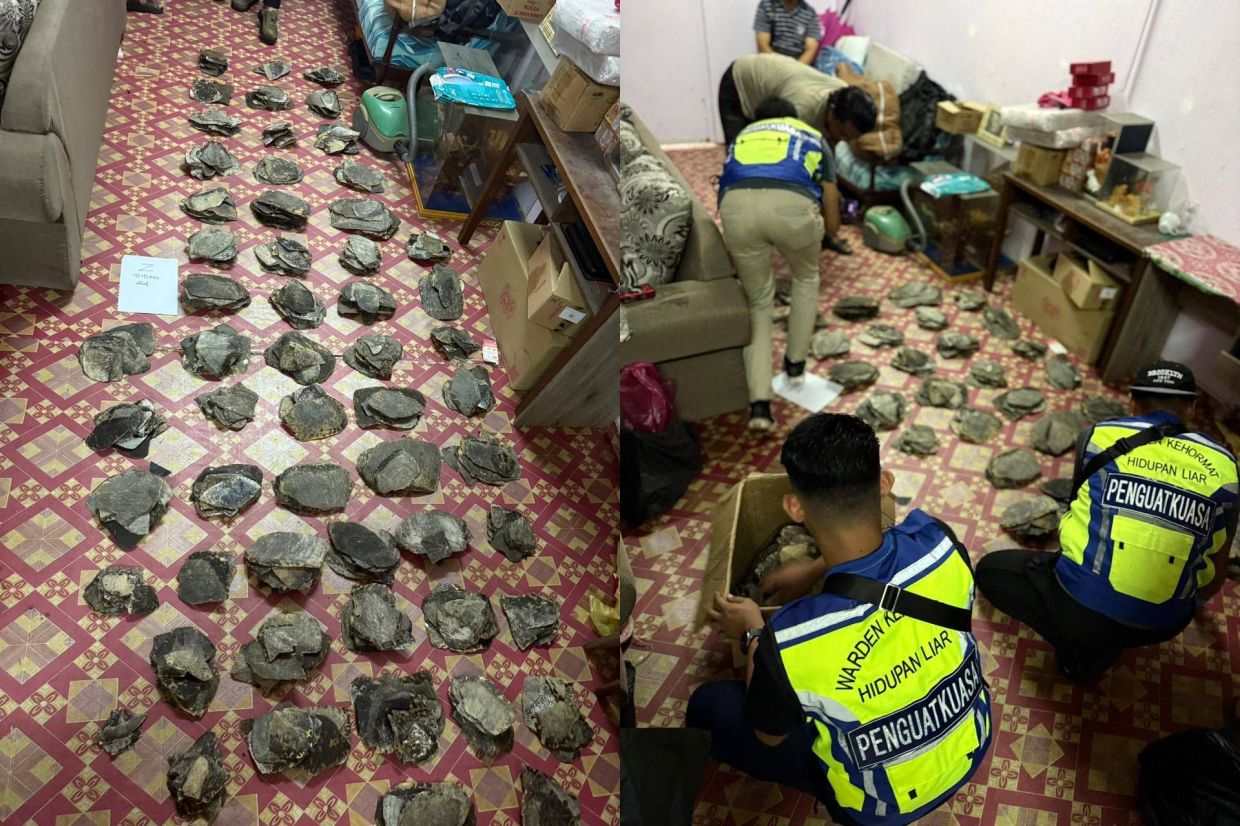
The recent seizure of 570 turtle shells and scales in Semporna, Sabah, on November 15th, 2024, underscores the persistent threat of wildlife crime in Southeast asia.This incident, part of “Op Bersepadu Khazanah” – a joint operation by the general Operations Force (GOF) and wildlife officers – highlights the complex challenges in protecting endangered marine species like turtles. The estimated value of the seized items, RM14,240, barely scratches the surface of the ecological and economic damage caused by the illegal turtle trade. This article will delve into the details of the Semporna seizure,the broader context of turtle poaching in Sabah,the legal ramifications,and ongoing conservation efforts.
The Semporna Seizure: Details and Implications
the GOF Battalion 22’s swift action, detailed on their Facebook page, revealed a hidden storeroom containing the illicit haul. Weighing over 17kg, the shells and scales represent a significant number of turtles illegally harvested. The arrest of two suspects – one facing potential Immigration offences in addition to wildlife charges under the Wildlife Conservation Enactment 1997 – signals a commitment to tackling both the poaching and the logistical networks supporting it.
Did You Know? Turtle shells and scales are frequently enough used in traditional medicine, as decorative items, and increasingly, as ingredients in luxury products, driving demand and fueling the illegal trade.
this seizure isn’t an isolated event. Semporna, a coastal town in Sabah, has long been identified as a hotspot for marine wildlife smuggling. Its proximity to international borders and complex maritime environment make it vulnerable to illegal activities. The fact that this operation was a coordinated effort between the GOF and wildlife authorities demonstrates a growing recognition of the need for inter-agency collaboration.
Understanding the Threat: Turtle Poaching in Sabah
Sabah is a crucial breeding ground for several endangered sea turtle species, including the Green Turtle, Hawksbill Turtle, and Leatherback Turtle. These species face numerous threats, including habitat destruction, accidental capture in fishing gear (bycatch), and, critically, poaching for their shells, scales, and meat.
pro Tip: Reporting suspicious activity related to wildlife crime is crucial. Contact the Sabah Wildlife Department or local authorities with any details you may have.
The demand for turtle products, especially in neighboring countries, continues to drive the illegal trade. While the Wildlife Conservation Enactment 1997 provides legal protection for turtles in Sabah, enforcement remains a significant challenge. recent statistics from TRAFFIC, a wildlife trade monitoring network, indicate a concerning trend of increased online trading of turtle shells and products, making detection and interception even more arduous. (TRAFFIC, 2024 – Southeast Asia Wildlife Trade Report).
Legal Framework and Penalties
The Wildlife Conservation Enactment 1997 is the primary legislation governing wildlife protection in Sabah. Violations related to turtles carry ample penalties, including hefty fines and imprisonment.The specific charges and penalties will depend on the species involved, the quantity of seized items, and the intent of the perpetrators.
The inclusion of Immigration offences for one of the suspects suggests potential involvement in cross-border smuggling operations. This highlights the need for robust border controls and collaboration with international law enforcement agencies. Successfully prosecuting these cases requires meticulous evidence gathering, forensic analysis, and effective prosecution by the Attorney General’s Chambers.
Conservation Efforts and Future Strategies
Numerous organizations are working to protect turtles in sabah. These include the Sabah Wildlife Department, WWF-Malaysia, and local community-based conservation groups. Their efforts encompass:
* Nest Protection Programs: Monitoring and protecting turtle nesting sites to ensure hatchling survival.
* Anti-Poaching Patrols: Conducting regular patrols to deter poachers and intercept illegal activities.
* Community Engagement: Educating local communities about the importance of turtle conservation and involving them in protection efforts.
* Research and Monitoring: Tracking turtle populations and identifying key threats to inform conservation strategies.
* lasting Tourism: promoting responsible tourism practices that benefit both turtles and local communities.
Question for Readers: What further measures do you think could be implemented to strengthen turtle conservation