Tusla Wellbeing Checks: ensuring Child Welfare Post-COVID-19 Lockdown
The COVID-19 pandemic presented unprecedented challenges across all sectors, and child protection services were no exception. Now, as Ireland moves forward, a critical initiative is underway to assess the wellbeing of children whose cases were closed by Tusla, the Child and Family Agency, during the lockdown period. This article provides a complete overview of the Tusla wellbeing check, its scope, objectives, and the crucial role of independent oversight in ensuring the safety and welfare of vulnerable children. Understanding this process is vital for parents, guardians, professionals, and anyone concerned with child welfare in Ireland.
Understanding the Scope of the Wellbeing Check
In September 2025, the Department of Children announced a comprehensive wellbeing check focusing on approximately 42,000 children and young people aged 0-18. These are individuals who had open cases with Tusla Child Protection services that were closed between March 2020 and February 2022. This period coincided with notable disruptions to social services due to the pandemic, raising concerns about potential impacts on children’s safety and wellbeing.
Did You Know? Approximately 75% of the 42,000 cases relate to child welfare concerns – encompassing requests for advice and assistance from families – while the remaining 25% are child protection cases involving formal referrals.
The initiative isn’t simply a review of closed cases; it’s a proactive effort to identify any children who may require further support or intervention. The Department of Children has stated that child protection cases will be prioritized within the wellbeing check process, acknowledging the heightened risk associated with these situations. This prioritization reflects a commitment to safeguarding the most vulnerable children.
Independent Oversight: The Role of Tanya Ward
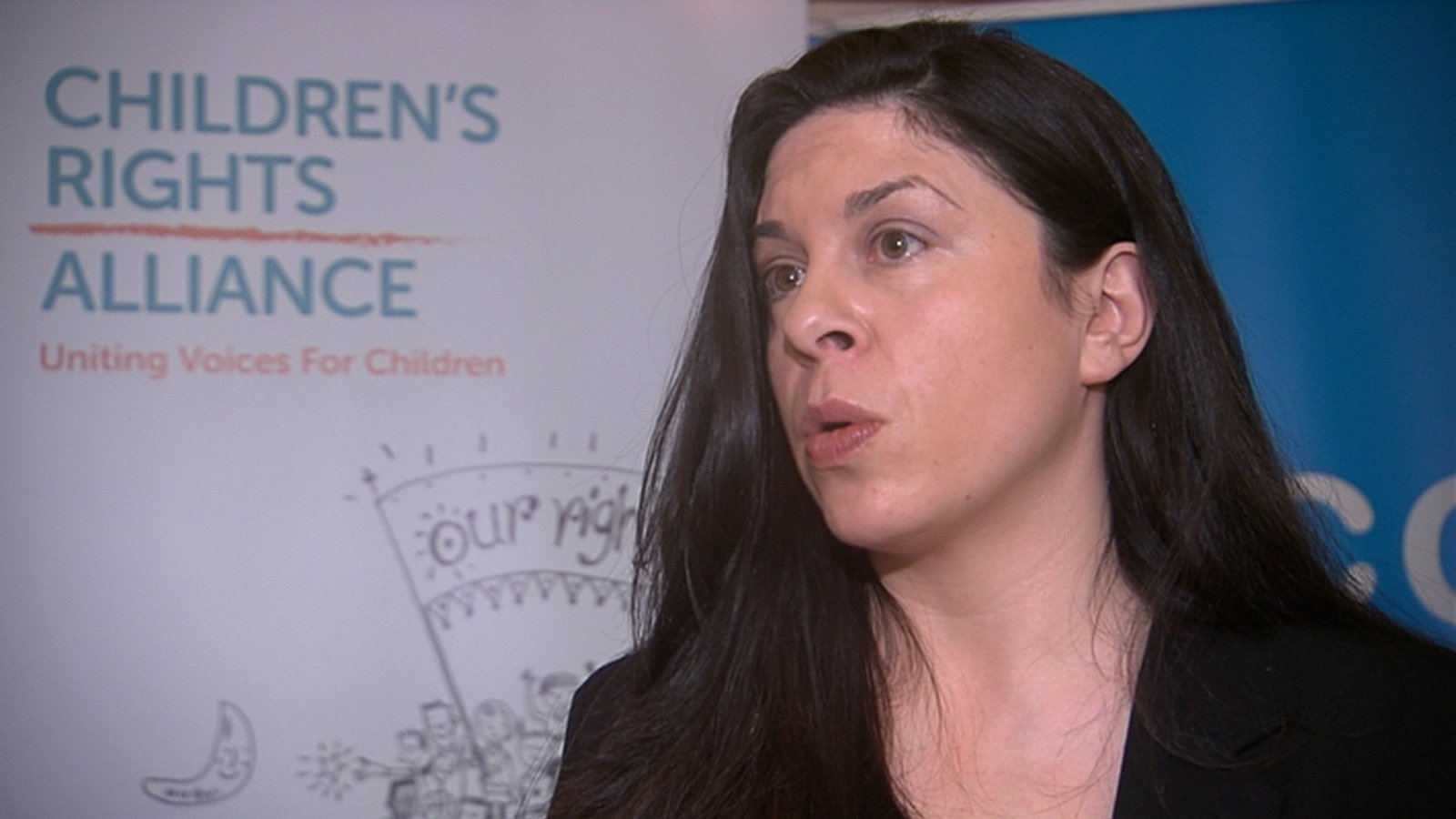
To ensure impartiality and accountability, Tanya Ward, Chief Executive of the Children’s Rights Alliance, has been appointed as the Independent Chair of the Steering Group overseeing the wellbeing check. This is a crucial step, as independent oversight is essential for building public trust and ensuring the process is conducted fairly and effectively.
Pro Tip: Independent oversight, like that provided by Tanya Ward, is a hallmark of robust child welfare systems. It helps to mitigate potential biases and ensures that the focus remains firmly on the best interests of the child.
Ms. Ward’s role involves providing leadership to the Steering Group and overseeing the entire wellbeing check process. The Steering Group itself is comprised of representatives from key stakeholders, including relevant Government departments, the Health Service Executive (HSE), Tusla, the community and voluntary sector, and social work professionals. This collaborative approach aims to bring a diverse range of expertise and perspectives to the table.
Why Were These Checks Initiated? Context and Concerns
The decision to undertake these wellbeing checks wasn’t made in isolation. It followed a request from Minister for Children Norma Foley and coincided with the Gardaí’s search for missing boy Daniel Aruebose. While there’s no direct link established between the two events, the timing underscores the heightened awareness of child welfare concerns and the need for proactive measures.
The pandemic created unique challenges for child protection services. Lockdowns, school closures, and increased family stress all contributed to a more complex landscape. Reduced access to in-person support services and potential difficulties in identifying and reporting abuse meant that some children may have fallen through the cracks. This wellbeing check is designed to address those potential gaps and ensure that no child is left behind.
| Category | Estimated Cases (Out of 42,000) | Focus |
|---|---|---|
| Child Welfare | ~31,500 | Advice & Assistance to Families |
| Child Protection | ~10,500 | Formal Referrals & Potential Abuse |
What Does a Wellbeing Check Entail? A Step-by-Step Overview
While the specific details of the wellbeing check process are still being finalized, it’s expected to involve the following steps:
- Case Identification: Identifying all cases closed by Tusla between March 2020 and February 2022.
2.