The Grand Egyptian Museum: A New Era for Ancient Treasures and Calls for Repatriation
The long-awaited Grand egyptian Museum (GEM) is poised to open its doors, promising a revolutionary experience for anyone fascinated by ancient Egypt. It’s not just a museum; it’s a statement – a declaration of Egypt’s renewed ability to safeguard and showcase its unparalleled cultural heritage. This new landmark is already sparking debate about the future of iconic artifacts currently housed in museums abroad.
A Monument to History and National Pride
Imagine a space dedicated to telling the complete story of Egyptian civilization, from its earliest beginnings to the Greco-Roman period. That’s the vision behind the GEM, located near the Giza pyramids. The museum’s sheer scale is breathtaking,designed to accommodate an immense collection,including over 100,000 artifacts.
Egyptians are understandably proud of this achievement.Dr. Tarek Tawfik emphasizes that the museum isn’t just about the past; it’s a testament to modern Egypt’s capabilities. “As well as ancient Egyptian history, we are also showcasing modern Egypt because it’s Egypt that built this museum,” he explains.
Restoring Glory: Conservation at the Forefront
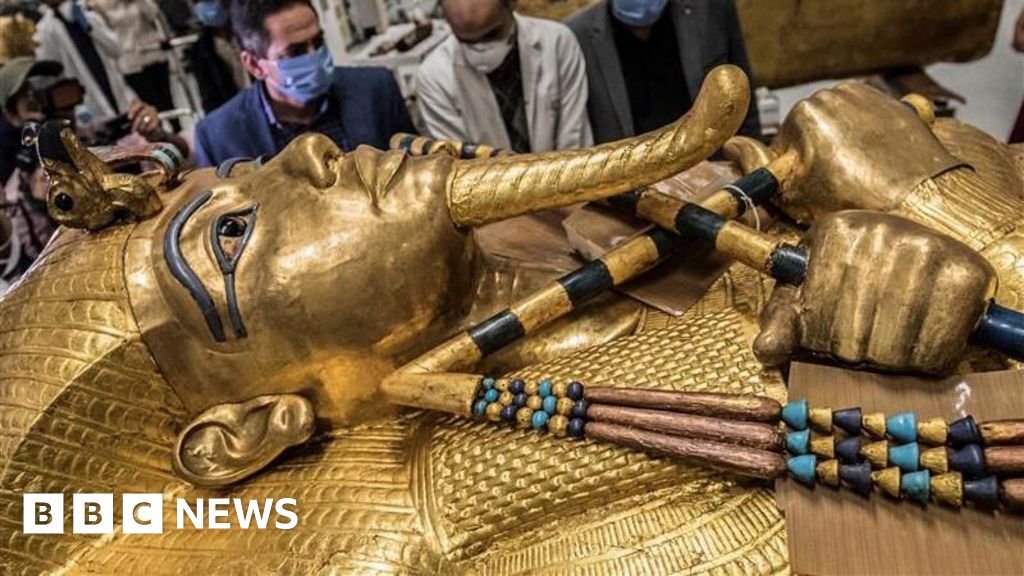
The GEM isn’t simply a display case for ancient objects. It’s a hub for cutting-edge conservation work. Egyptian conservators are leading the charge, meticulously restoring treasures like those belonging to Tutankhamun.
Notably, the restoration of Tutankhamun’s intricate textile and leather armor is being conducted exclusively by Egyptian hands, adhering to national law. Colleagues from around the world have expressed awe at the quality of this work, demonstrating a new level of expertise within Egypt.
The Repatriation Debate Heats Up
The opening of the GEM has reignited calls for the return of notable artifacts held in foreign museums. Leading Egyptologists believe the time for repatriation is now.
Dr. Monica Hanna points to objects acquired “under a colonialist pretext” as those that must be returned. She believes the GEM’s opening signals Egypt’s readiness to formally request these items. The Dendera Zodiac, currently residing in the Louvre, is a prime example of an artifact many Egyptians wish to see back on home soil.
The British Museum, however, states it has received “no formal requests for either the return or the loan of the Rosetta Stone from the Egyptian Government.” This doesn’t diminish the growing sentiment within Egypt and among many international scholars that these treasures belong where they originated.
What This means for You
* A Deeper Understanding: The GEM promises a more extensive and nuanced understanding of ancient Egypt than ever before.
* A center for Research: The museum will serve as a vital center for academic research, fostering new discoveries and insights.
* A shift in Narrative: The GEM represents a shift in the narrative surrounding Egyptian heritage, placing control and interpretation firmly in Egyptian hands.
* A Renewed Gratitude: You’ll gain a renewed appreciation for the artistry, ingenuity, and cultural richness of ancient egypt.
The Grand Egyptian Museum isn’t just a building; it’s a symbol of a nation reclaiming its history and looking toward a future where its ancient treasures are celebrated and studied within their rightful context. It’s a development that will undoubtedly reshape how we all understand and engage wiht the wonders of ancient Egypt.
Worth a look