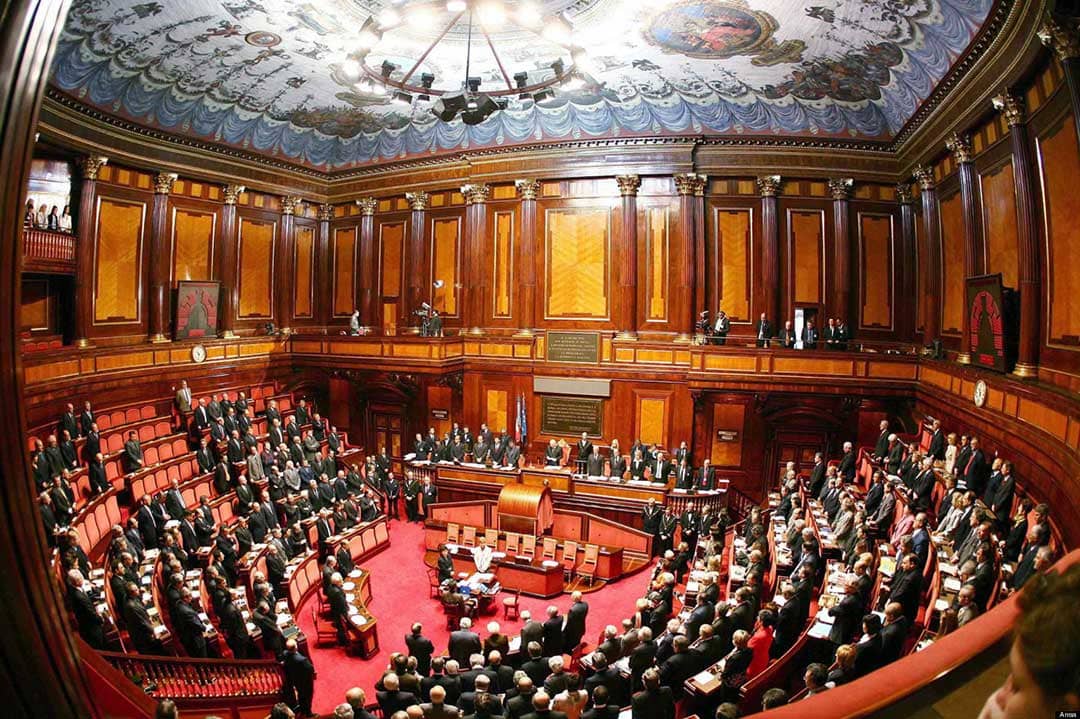
The Italian Senate’s parliamentary inquiry into the banking, financial, and insurance sectors is a formal investigative process designed to evaluate the stability, transparency, and regulatory compliance of Italy’s core economic institutions. This inquiry aims to assess how these sectors respond to economic shifts and whether existing protections sufficiently safeguard consumers and the broader national economy.
The inquiry, conducted by the Senato della Repubblica, functions as a high-level oversight mechanism. It allows lawmakers to examine the structural integrity of the financial system, the impact of monetary policies on domestic credit, and the effectiveness of current insurance regulations. While the commission’s scope is broad, its primary objective remains the identification of systemic risks that could threaten Italy’s economic stability.
By leveraging its investigative powers, the Italian Senate seeks to bridge the gap between legislative intent and the practical realities of the financial markets. The findings of such commissions often inform future economic policy, regulatory updates, and legislative reforms intended to strengthen the financial framework of the country.
What is the purpose of the Italian Senate’s banking and financial inquiry?
The primary purpose of the Italian Senate’s banking and financial inquiry is to provide legislative oversight of the institutions that manage the nation’s capital. Unlike the technical and prudential supervision performed by the Bank of Italy or the European Central Bank (ECB), a parliamentary inquiry is a political and investigative tool. It allows members of the Senate to question executives, regulators, and industry experts to ensure that the financial system operates in the public interest.
Lawmakers focus on several critical areas during these proceedings:
- Systemic Stability: Determining if banks and insurance companies maintain sufficient capital reserves to withstand market volatility or economic downturns.
- Market Transparency: Investigating whether financial products are being marketed clearly and if investors are receiving adequate information.
- Consumer Protection: Assessing the impact of interest rate changes on mortgage holders, small business loans, and retail banking customers.
- Regulatory Alignment: Ensuring that Italian financial institutions are correctly implementing both national laws and broader European Union directives.
This process is essential because the financial sector serves as the circulatory system of the Italian economy. Any instability within banking or insurance can rapidly transition into a broader economic crisis, affecting employment, investment, and social welfare.
Which sectors are included in the parliamentary investigation?
The inquiry is specifically structured to cover three interconnected pillars of the Italian economy: banking, finance, and insurance. While these sectors operate under different specific regulations, their interdependence means that a failure in one often triggers repercussions in the others.
The Banking Sector
The investigation into the banking sector typically examines credit availability and the health of loan portfolios. In recent years, the focus has shifted toward how banks manage the transition from low-interest-rate environments to the higher-rate regimes set by the ECB. Lawmakers examine the “spread” between deposit and lending rates to determine if banks are passing on the benefits of higher rates to consumers or disproportionately retaining profits.
The Financial Markets
This component of the inquiry looks at the broader financial services industry, including investment firms, asset managers, and brokerage houses. The Senate seeks to understand how market volatility affects Italian wealth management and whether the mechanisms for protecting retail investors are functioning as intended. This includes scrutiny of digital finance and the integration of new technologies into traditional trading models.
The Insurance Industry
The insurance sector is evaluated based on its solvency and its role in risk mitigation. The inquiry examines whether insurance companies are adequately covering emerging risks—such as climate-related liabilities or cyber threats—and whether policyholders are receiving fair treatment during the claims process. The stability of the insurance market is vital for long-term economic planning and the protection of household assets.
How does the inquiry interact with financial regulators?
A common point of confusion is the distinction between the Senate’s inquiry and the duties of technical regulators. The Italian Senate does not set interest rates or conduct day-to-day audits of bank balance sheets. Instead, it acts as a check on the regulators themselves and the institutions they oversee.
The inquiry operates alongside several key authorities:
- Bank of Italy (Banca d’Italia): The central bank provides technical expertise and data to the Senate, representing the primary authority on prudential supervision and monetary stability.
- CONSOB (Commissione Nazionale per le Società e la Borsa): The regulator for the Italian financial markets, which provides information regarding market transparency and investor protection.
- IVASS (Istituto per la Vigilanza sulle Assicurazioni): The authority responsible for overseeing the insurance sector, providing the Senate with data on solvency and market conduct.
- European Central Bank (ECB): As part of the Single Supervisory Mechanism (SSM), the ECB holds ultimate authority over significant banking institutions in Italy, and the Senate inquiry often examines how ECB policies manifest within the Italian domestic market.
The Senate uses these relationships to hold regulators accountable. If the inquiry uncovers gaps in market oversight, the commission can recommend that regulators tighten their standards or that Parliament pass new laws to grant those regulators more robust powers.
Why does this inquiry matter for Italian consumers and businesses?
While the proceedings take place in the halls of the Senate, the implications are felt directly by citizens and entrepreneurs. The decisions and findings resulting from this inquiry can influence the cost of borrowing, the safety of savings, and the accessibility of credit.

For households, the inquiry is particularly relevant regarding mortgage and loan terms. As the Senate examines banking practices, it can highlight issues such as predatory lending or inadequate transparency in variable-rate contracts. If the commission identifies systemic unfairness, it can drive legislative changes that force banks to offer more equitable terms to the public.
For small and medium-sized enterprises (SMEs), which form the backbone of the Italian economy, the inquiry monitors “credit crunch” risks. By investigating how banks allocate capital, the Senate can identify if credit is being unfairly restricted to certain sectors, which can stifle innovation and growth. Ensuring that the financial system remains liquid and accessible to businesses is a core component of maintaining national economic health.
Comparison: Parliamentary Oversight vs. Technical Supervision
To understand the impact of this inquiry, it is helpful to contrast the role of the Senate with the role of technical regulators like the Bank of Italy.
| Feature | Parliamentary Inquiry (Senate) | Technical Supervision (Bank of Italy/ECB) |
|---|---|---|
| Primary Goal | Political accountability and legislative reform. | Prudential stability and market integrity. |
| Methodology | Public hearings, questioning, and investigations. | |
| Focus Area | Public interest, social impact, and policy effectiveness. | |
| Outcome | New laws, policy recommendations, and public reports. |
What happens next in the investigative process?
The conclusion of a parliamentary inquiry typically involves the publication of a formal report. This document summarizes the findings, identifies systemic weaknesses, and provides specific recommendations to the government and regulatory bodies. These recommendations serve as a roadmap for future economic and financial legislation.
The next phase for stakeholders involves monitoring the government’s response to these findings. While the Senate can recommend changes, the implementation of new financial regulations often requires coordinated action between the Ministry of Economy and Finance (MEF) and the relevant European authorities. Investors and industry leaders should watch for upcoming legislative sessions where the inquiry’s conclusions are debated into law.
Further official updates regarding hearing schedules and published transcripts can be accessed through the official portals of the Senato della Repubblica. We encourage our readers to follow these developments closely as they shape the future of the European financial landscape.
Have thoughts on how banking oversight affects your local economy? Share your perspective in the comments below and share this article with your professional network.
Worth a look