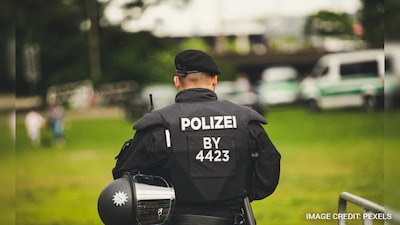
Two Indian nationals were fatally shot outside a Sikh place of worship in northern Italy during the early hours of Vaisakhi, one of the most significant festivals in the Sikh calendar. The attack occurred in the town of Covo, located in the Lombardy region, as the men were leaving a temporary gathering space used for religious observances. Authorities have launched a homicide investigation, treating the incident as a potential targeted act of violence, though no arrests have been made as of this writing.
The victims, identified by local media as 48-year-old Ranjinder Singh from Covo and 48-year-old Gurmeet Singh from Agnadello, were both long-term residents of the Lombardy area. According to preliminary reports from Italian law enforcement, the shooting took place just before dawn outside Gurdwara Mata Sahib Kaur Ji, a Sikh temple serving the local Punjabi diaspora. Witnesses described hearing multiple gunshots before the assailants fled the scene in a vehicle. No motive has been officially confirmed, but investigators are examining whether the attack was premeditated.
Vaisakhi, celebrated annually on April 13 or 14, marks the founding of the Khalsa by Guru Gobind Singh in 1699 and is observed with processions, prayers, and community meals known as langar. For Sikh communities abroad, the festival often serves as a vital opportunity to reinforce cultural identity and religious practice. In Italy, where an estimated 150,000 people of Indian origin reside—many working in agriculture, logistics, and manufacturing—gurdwaras function not only as places of worship but likewise as community hubs offering legal aid, language classes, and social support.
Investigation Underway as Authorities Review Surveillance Footage
Italian police have confirmed that forensic teams recovered approximately ten spent shell casings from the crime scene, indicating the employ of a semi-automatic firearm. Surveillance cameras in the industrial zone of Covo, where the gurdwara is situated, are being reviewed to trace the movements of suspects before and after the attack. Investigators have not ruled out the possibility that the shooting stemmed from a personal dispute, though they emphasized that early assessments do not support a spontaneous altercation escalating into violence.
Lombardy regional officials have urged calm while stressing the seriousness of the incident. “We are treating this with the utmost gravity,” said a spokesperson for the Brescia Prefecture, which oversees law enforcement in the province. “Our priority is to identify and apprehend those responsible while ensuring the safety of all communities.” The Italian Ministry of the Interior has been notified, and national anti-terrorism units are reportedly on standby to assist if extremist motives are uncovered.
As of now, no group has claimed responsibility for the attack. Officials have also declined to confirm whether the victims were specifically targeted due to their religious identity or ethnicity, citing the ongoing nature of the inquiry. Community leaders have called for transparency and urged authorities to consider all possible angles, including hate-motivated crime.
Sikh Community in Italy Mourns and Calls for Unity
The shooting has deeply affected Sikh populations across northern Italy, particularly in Lombardy and Emilia-Romagna, where many Punjabi families have settled over the past two decades. Vigils were held outside gurdwaras in nearby towns such as Bergamo and Brescia, with members observing moments of silence and offering prayers for the deceased. Religious leaders emphasized the Sikh principle of chardi kala—maintaining optimism and resilience in the face of adversity—while urging authorities to protect places of worship.
“This is not just a loss for two families, but a wound felt by the entire community,” said a representative from the Sikh Sevak Dal Italy, a volunteer organization supporting new immigrants. “We come to Italy to work hard, contribute to society, and live in peace. Attacks like this shake our sense of security.” The group has requested increased police patrols around religious sites during major festivals and better communication between law enforcement and minority communities.
Italy has seen a gradual rise in its South Asian population since the early 2000s, driven by labor demand in sectors such as dairy farming, textile production, and warehouse logistics. Many Sikh migrants originate from the Punjab region of India and often send remittances home to support families. Despite their economic contributions, some report facing discrimination or social isolation, particularly in rural areas where cultural differences may be misunderstood.
Historical Context: Sikh Diaspora and Religious Freedom in Europe
Sikhs have migrated to Europe in significant numbers since the mid-20th century, initially arriving in the United Kingdom following post-war labor shortages. Communities later established themselves in Italy, Spain, and Greece, often filling roles in agriculture and industry. Unlike in the UK or Canada, where Sikhism is widely recognized and accommodated—such as through exemptions for wearing the kirpan (a ceremonial sword) or dastar (turban)—legal recognition of Sikh religious symbols varies across European nations.
In Italy, while freedom of religion is constitutionally protected, there have been occasional reports of misunderstandings regarding Sikh attire, particularly in workplace or public settings. Advocacy groups have worked with local governments to promote cultural awareness, including training for police and educators on Sikh traditions. The Italian Sikh Association has previously collaborated with municipal authorities in cities like Modena and Parma to organize Vaisakhi processions, which are generally permitted under public assembly laws.
Experts note that attacks on Sikh places of worship remain rare in Italy compared to other Western countries. However, high-profile incidents elsewhere—such as the 2012 shooting at a gurdwara in Oak Creek, Wisconsin, which killed six people—have heightened awareness of vulnerabilities within diaspora communities. In response, several European nations have increased security funding for religious institutions following rises in hate crimes reported by organizations like the EU Agency for Fundamental Rights.
Next Steps: Funeral Arrangements and Ongoing Inquiry
The bodies of Ranjinder Singh and Gurmeet Singh have been released to their families following autopsies conducted by the Bergamo prosecutor’s office. Funeral services are expected to follow Sikh rites, including the Antam Sanskaar ceremony, with cremation likely to take place in accordance with tradition. Community centers in Covo and Agnadello are coordinating support for the bereaved families, including assistance with repatriation efforts should relatives in India wish to participate.
Investigators have not released a timeline for when arrests might be made or charges filed. The Brescia Prefecture stated that the case remains active and that updates will be shared as developments occur, consistent with Italian judicial secrecy laws that limit public disclosure during active investigations. Anyone with information is urged to contact local authorities via the national emergency line or submit tips anonymously through the Carabinieri’s online portal.
As the Sikh community processes this tragedy, leaders continue to emphasize peace, unity, and faith in the justice system. “We do not respond to hatred with hatred,” said a elder at the Gurdwara Mata Sahib Kaur Ji. “We pray for the souls of the departed and ask that light prevail over darkness.”
Keep reading