
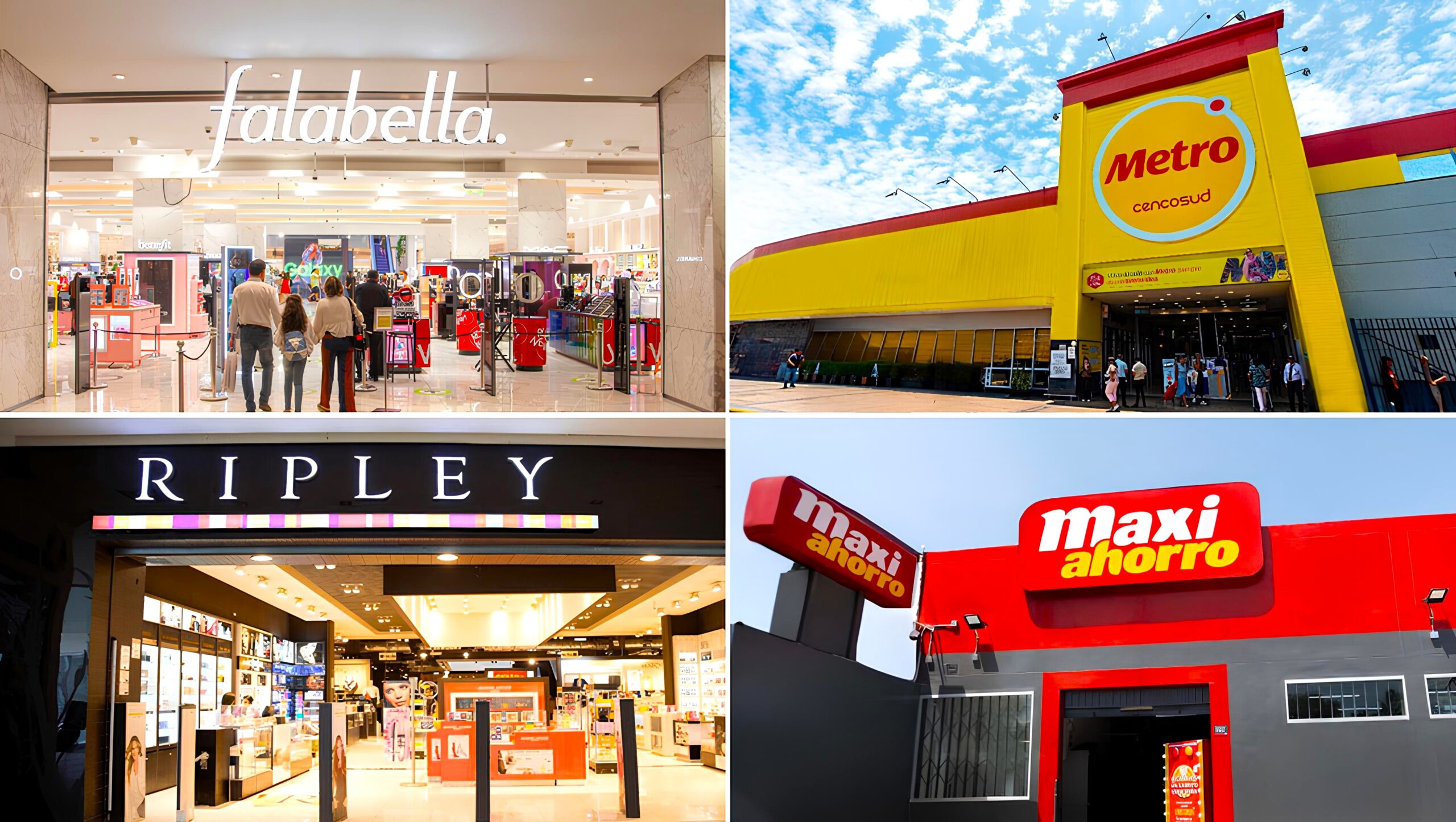
Divergent Fortunes in Chilean Retail: Analyzing the Performance Gap Between Falabella, Cencosud, and Ripley
The Chilean retail landscape is currently navigating a period of profound structural divergence. As the first quarter of 2026 concludes, the performance metrics of the nation’s retail giants have revealed a starkly bifurcated market, where strategic agility and sector-specific resilience are separating the industry leaders from those struggling to maintain footing in a complex macroeconomic environment.
While the broader Chilean equity markets have shown signs of movement, the retail sector—a cornerstone of the national economy—is presenting a tale of two realities. On one side, companies that have successfully integrated digital ecosystems and diversified their revenue streams are demonstrating a capacity for growth. On the other, traditional department store models and highly leveraged players are grappling with the lingering effects of tightened monetary policy and shifting consumer preferences.
This divergence is not merely a matter of fluctuating sales; This proves a reflection of how different retail models respond to the interplay of inflation, interest rates, and the ongoing digital transformation of the Latin American consumer base. For investors and analysts monitoring the IPSA, understanding these underlying drivers is essential to navigating the volatility of the Chilean consumer market.
A Sector Divided: The Mechanics of Divergence
The recent earnings cycle has highlighted a widening gap in the ability of major retailers to manage margins and defend market share. The core of this divergence lies in the distinction between discretionary spending and essential consumption, as well as the varying degrees of exposure to consumer credit markets.
In a period characterized by cautious household budgeting, retailers focused heavily on non-essential goods—such as apparel, electronics, and home improvement—have faced significant headwinds. Conversely, those with a robust presence in the grocery and supermarket segments have benefited from the defensive nature of essential goods. This “defensive buffer” has become a critical factor in determining which companies remain stable during cycles of economic uncertainty.
the ability to manage debt and credit risk has emerged as a decisive competitive advantage. As interest rates have remained a focal point for the Central Bank of Chile, the cost of financing both corporate operations and consumer credit has placed immense pressure on retailers that rely heavily on credit-driven sales models.
Macroeconomic Pressures and the Chilean Consumer
To understand the current retail volatility, one must look toward the broader economic landscape in Chile. The interplay of several key macroeconomic factors has fundamentally altered the purchasing power of the average consumer.
Inflation and Monetary Policy Tightening
While inflation has shown signs of stabilization compared to previous years, the cumulative effect of recent price increases continues to weigh on real wages. The Central Bank of Chile’s approach to monetary policy—balancing the need to contain inflation with the necessity of supporting economic growth—has created a high-interest-rate environment that impacts retail in two ways. First, it increases the cost of capital for retailers looking to expand or modernize. Second, it increases the debt-servicing burden on consumers, particularly those utilizing retail-issued credit cards to fund major purchases.
The Shift in Consumer Behavior
The Chilean consumer is currently in a state of transition. There is a noticeable shift toward value-based shopping and a heightened sensitivity to price fluctuations. This has led to a redistribution of market share, where consumers are increasingly migrating toward discount retailers or leveraging omnichannel platforms to find the most competitive pricing across various segments.

Winners and Losers: A Granular Look at the Giants
The recent performance reports of Chile’s retail titans provide a clear view of these economic forces in action. The varying outcomes for Falabella, Cencosud, Ripley, and SMU offer a masterclass in strategic positioning.
Falabella’s Strategic Resilience
Falabella has emerged as a notable standout in a challenging quarter. The company’s ability to maintain positive momentum can be attributed to its aggressive pursuit of an omnichannel ecosystem. By deeply integrating its department store operations with its digital marketplace and financial services, Falabella has created a flywheel effect that captures a broader range of consumer touchpoints.
The company’s focus on logistics and last-mile delivery has also played a crucial role. As consumers demand faster, more reliable service, Falabella’s investment in its supply chain infrastructure has allowed it to defend its market position against pure-play e-commerce competitors. This digital-first approach, supported by a robust financial services arm, has provided a cushion that many of its peers lack.
The Challenges Facing Ripley and Cencosud’s Department Stores
In contrast, Ripley has faced significant hurdles. The company’s heavy reliance on the traditional department store model and its exposure to the credit-sensitive consumer segment have made it vulnerable to the current economic climate. As discretionary spending slows and credit delinquency becomes a more pressing concern, the margins for retailers focused on high-end or non-essential retail are being squeezed.

Cencosud, while a massive and diversified entity, has also seen its department store segments struggle. The “Paris” brand and other apparel-focused divisions have had to contend with intense competition and a consumer base that is increasingly hesitant to engage in large-scale discretionary spending. The struggle here is a symptom of a broader trend: the traditional department store is being forced to reinvent itself or face continued erosion of its market share.
The Defensive Role of Supermarkets: SMU and Cencosud
The supermarket and grocery sector remains the most stable pillar of the retail industry. Companies like SMU and the supermarket divisions of Cencosud have demonstrated much greater resilience. Because grocery shopping is a non-discretionary activity, these retailers are less susceptible to the swings in consumer confidence that plague the apparel and electronics sectors.
However, even in this defensive segment, the battle for margins is fierce. The rise of hard discounters and the increasing sophistication of private-label offerings mean that supermarkets must maintain extreme operational efficiency to protect their bottom line. For SMU, the challenge lies in navigating this highly competitive landscape while managing the rising costs of goods sold (COGS) driven by global supply chain fluctuations.
The Digital Imperative: Omnichannel Success or Failure?
The divide between the “winners” and “losers” in the Chilean retail sector is increasingly defined by a company’s level of digital maturity. We are no longer in an era where “having a website” is sufficient. The current market demands a seamless, integrated experience where the distinction between online and offline shopping is virtually non-existent.

True omnichannel success requires:
- Unified Inventory Management: Ensuring that stock levels are accurately reflected across physical stores and digital platforms to prevent lost sales.
- Data-Driven Personalization: Using consumer data to provide tailored offers and improve customer lifetime value (CLV).
- Logistical Excellence: The ability to offer multiple delivery options, including “click and collect” and rapid home delivery, which are now standard consumer expectations.
Companies that have failed to make these investments are finding themselves relegated to a secondary role, serving only as physical showrooms for more agile, digitally-native competitors.
Implications for the IPSA and Regional Investors
For the international investment community, the divergence in the Chilean retail sector serves as a critical indicator of the broader health of the South American consumer market. The performance of these companies is a bellwether for the IPSA and, by extension, the economic stability of the region.
Investors should look beyond top-line revenue and focus on free cash flow, debt-to-equity ratios, and operating margins. The ability of a retailer to generate cash in a high-interest-rate environment is the ultimate test of its business model. As the sector continues to evolve, the emphasis will likely shift from pure growth to sustainable, margin-protected profitability.
Key Takeaways
- Sector Bifurcation: A clear performance gap has emerged between essential goods retailers (supermarkets) and discretionary goods retailers (department stores).
- Macroeconomic Headwinds: Inflation and high interest rates continue to constrain consumer credit and discretionary spending capacity in Chile.
- Digital Maturity as a Moat: Companies like Falabella are leveraging integrated digital and financial ecosystems to defend market share.
- Defensive Stability: Grocery-focused players like SMU provide a buffer against economic volatility due to the non-discretionary nature of their products.
- Strategic Focus: The future of Chilean retail will be determined by omnichannel integration, logistical efficiency, and disciplined debt management.
The next significant milestone for the sector will be the release of the comprehensive annual financial filings and the upcoming policy assessments from the Central Bank of Chile, which will provide further clarity on the trajectory of consumer spending for the remainder of the year.
For more in-depth analysis of global market trends and economic policy, subscribe to the World Today Journal newsletter and share this article with your professional network. We welcome your comments and insights on the changing retail landscape below.