The geopolitical landscape between Tehran and Washington remains defined by intense strategic friction, as recent political developments in both capitals highlight the growing influence of domestic pressures on foreign policy. For observers of international affairs, the question of whether internal political dynamics are now dictating the boundaries of confrontation has become central to understanding the current trajectory of Iran-U.S. Relations.
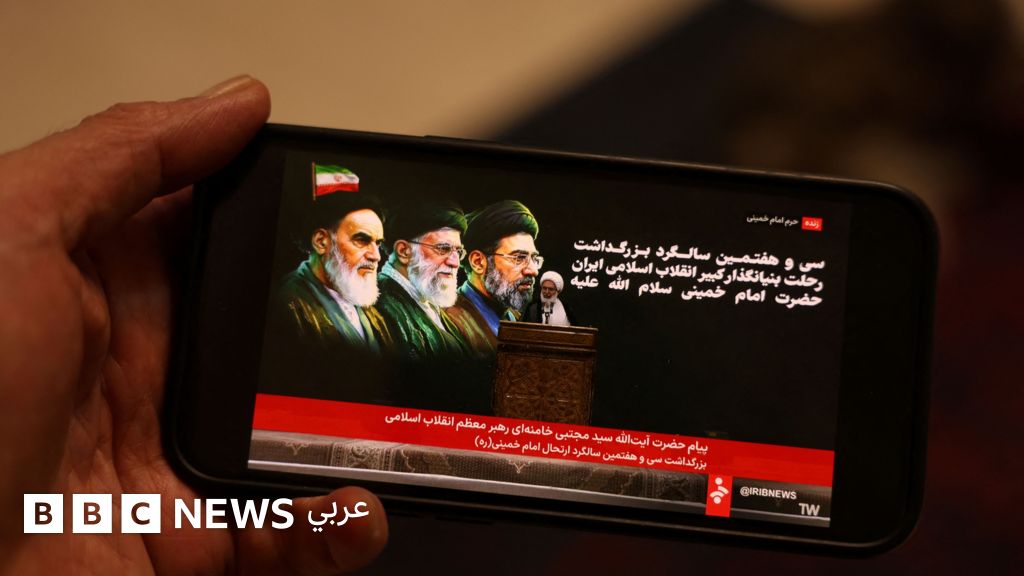
Following the significant leadership transition in Tehran earlier this year, the Iranian political establishment has faced a period of adjustment. The death of Supreme Leader Ali Khamenei on February 28, 2026, followed by his succession by Mojtaba Khamenei, marked a historic shift for the Islamic Republic, as confirmed by official records documenting the change in leadership [1]. This transition has occurred against a backdrop of ongoing regional tension and internal debate regarding the nation’s security and economic priorities.
Domestic Pressures and Strategic Communication
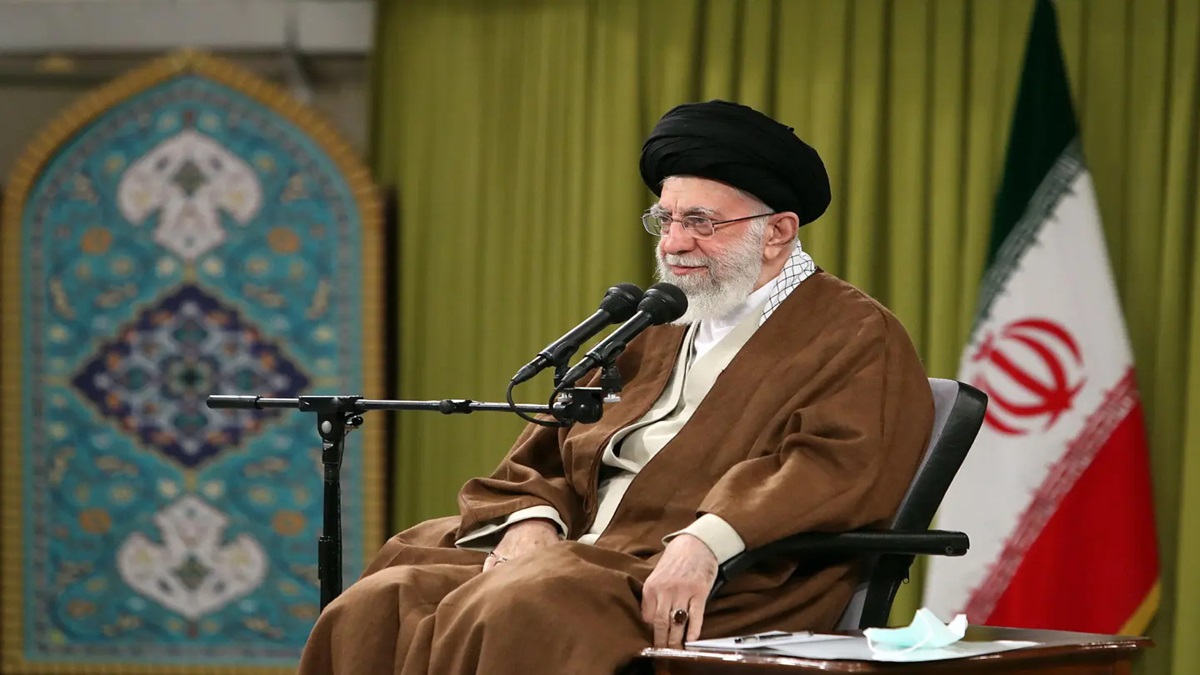
In Tehran, the leadership has emphasized the importance of internal unity in the face of what it describes as external efforts to sow discord. Official channels continue to focus on the narrative that foreign adversaries are targeting the social fabric of the country. This messaging serves as a cornerstone of the current administration’s domestic strategy, aiming to consolidate support while navigating a complex security environment [2].
The role of the Supreme Leader’s office remains pivotal in shaping these narratives. According to the official website of the Leader of the Islamic Revolution, the focus remains on maintaining revolutionary continuity while addressing the challenges posed by a “hybrid” threat environment [2]. These communications are intended not only for international consumption but, more critically, to reassure and mobilize the domestic base following the transition of power.
The Washington Perspective and Legislative Action
Across the Atlantic, the legislative branch in the United States continues to exert influence over the administration’s Iran policy. Congressional activity regarding sanctions, defense funding, and regional security cooperation remains a primary driver of Washington’s strategic posture. The legislative process, often characterized by bipartisan debate, creates a distinct set of pressures that the executive branch must balance against broader diplomatic considerations.
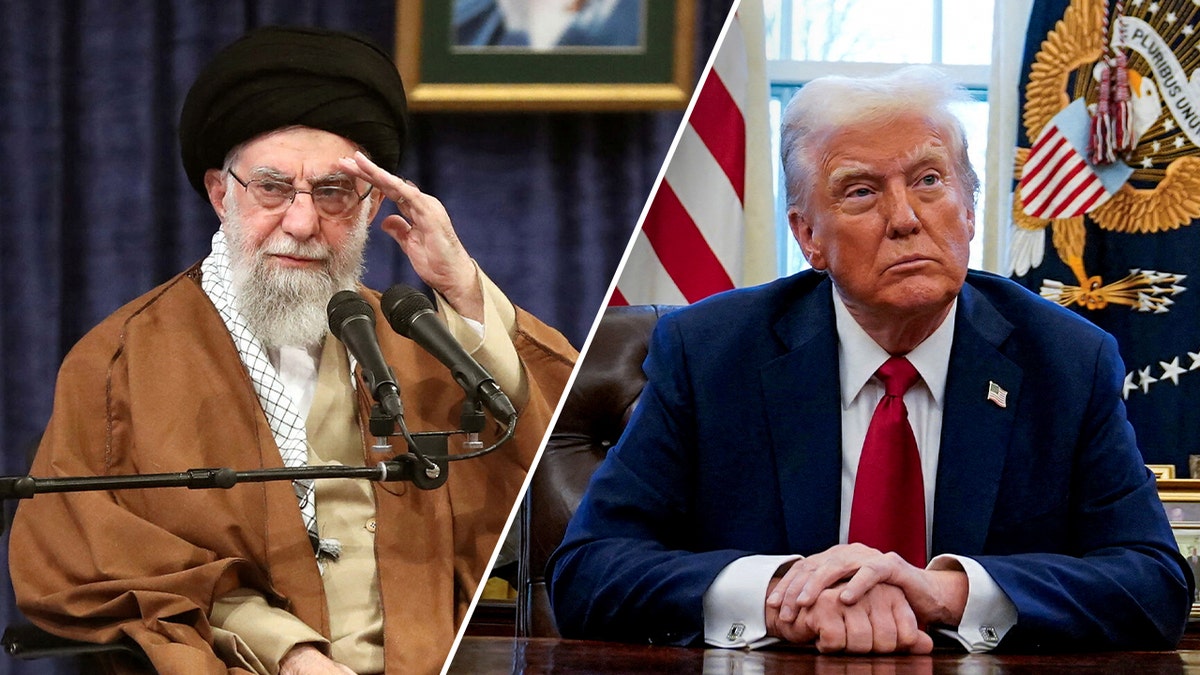
When Congress moves to pass measures concerning Iran, it often reflects a broader domestic consensus on containment and regional stability. These legislative actions serve as a signal to both allies and adversaries regarding the limits of American tolerance for specific regional activities. For policymakers, the challenge lies in ensuring that these domestic legislative mandates do not inadvertently foreclose avenues for de-escalation or crisis management.
Defining the Boundaries of Confrontation
The intersection of these domestic agendas—the need for internal consolidation in Tehran and the push for legislative oversight in Washington—creates a fragile environment for diplomacy. When the internal discourse in both capitals emphasizes firmness and national resilience, the room for maneuver in international negotiations often narrows.
Observers note that the primary risk in this dynamic is the potential for miscalculation. As both sides focus on satisfying domestic constituencies, the subtle signaling necessary for effective diplomacy can be lost. The “boundaries of confrontation” are thus being drawn not just by strategic military or economic goals, but by the political realities on the ground in both nations.
Key Takeaways
- Leadership Transition: Iran underwent a major leadership change on February 28, 2026, with Mojtaba Khamenei succeeding his father, Ali Khamenei [1].
- Strategic Messaging: The Iranian leadership continues to prioritize internal cohesion as a defense against external political and social pressures [2].
- Legislative Influence: U.S. Policy toward Iran remains heavily influenced by Congressional legislative actions, which set the parameters for diplomatic and economic engagement.
- Domestic Focus: In both nations, internal political pressures are increasingly shaping the tone and substance of foreign policy, complicating traditional diplomatic efforts.
As we monitor the situation, the next critical checkpoint will involve upcoming legislative sessions in Washington and any subsequent policy directives from the new leadership in Tehran. These developments will provide further clarity on whether the current cycle of tension will be mitigated by diplomatic engagement or further entrenched by domestic political imperatives.
I am Maria Petrova. I welcome your thoughts and perspectives on these developments. How do you see the intersection of domestic politics and foreign policy evolving in the coming months? Please share your insights in the comments below.
References:
[1] Wikipedia: Ali Khamenei (Biographical and Succession Data)
[2] Khamenei.ir: Official Website of the Leader of the Islamic Revolution
Keep reading