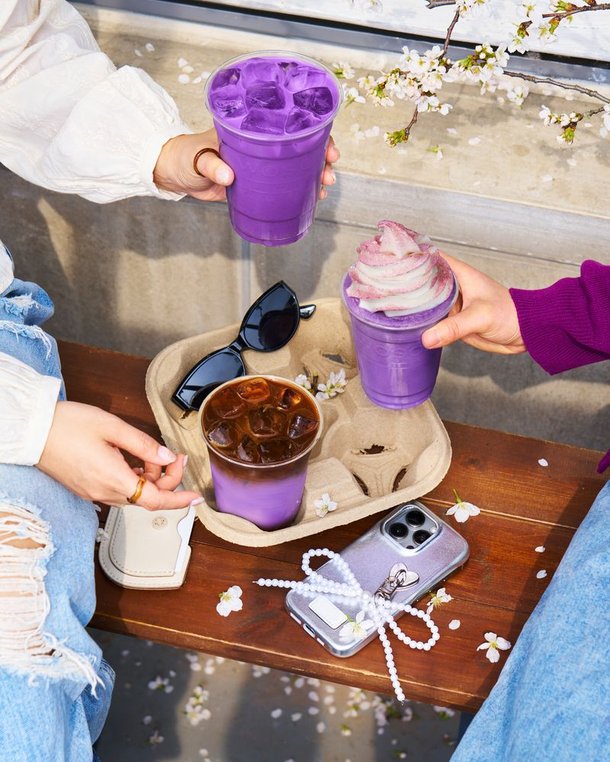
Purple-hued desserts are taking over café menus across South Korea, with one ingredient quietly becoming a standout: ube. The vibrant purple yam, long cherished in Filipino cuisine, has surged in popularity through limited-edition offerings at major coffee chains, most notably Twosome Place’s Ube Latte. Launched in early 2024, the drink reportedly climbed to the top of non-coffee beverage sales within just three days of release, according to internal sales data shared by the company during a quarterly briefing. This rapid uptake reflects a broader consumer shift toward visually striking, globally inspired flavors that blend nostalgia with novelty.
The phenomenon extends beyond a single drink. Twosome Place has since expanded its ube lineup to include pastries, bingsu (shaved ice desserts), and even ube-infused cakes, all featuring the tuber’s signature lavender hue and subtly sweet, nutty flavor. Social media platforms like Instagram and Naver Blog have amplified the trend, with users sharing aesthetically pleasing photos of the desserts under hashtags such as #우베라떼 and #보라디저트 (purple dessert). What began as a seasonal experiment has evolved into a sustained menu staple, signaling how global food trends are being localized and reinterpreted within Korea’s highly competitive café culture.
Ube, scientifically known as Dioscorea alata, is a staple in Philippine cooking, traditionally used in desserts like ube halaya (a sweet jam) and halo-halo. Its rise in Korean cafes mirrors the global spread of Filipino food culture, driven in part by diaspora communities and increasing interest in Southeast Asian ingredients. According to the Philippine Department of Agriculture, ube production increased by 12% in 2023 compared to the previous year, fueled by rising export demand to markets including Japan, South Korea, and the United States. This growth has been supported by government-backed agricultural programs aimed at promoting high-value crops.
Twosome Place, operated by TFG Co., Ltd., has not disclosed exact sales figures for the Ube Latte, but company representatives confirmed during a press briefing in March 2024 that the beverage became the best-selling non-coffee item within 72 hours of launch. The claim was reiterated in a follow-up statement to The Korea Herald, which reported that the drink’s success prompted accelerated rollout of additional ube-based products across the chain’s 1,000-plus locations. TFG Co. Has since filed trademark applications for “Ube Series” branding with the Korean Intellectual Property Office, indicating plans to expand the line further in 2025.
The appeal of ube lies not only in its striking color but too in its perceived health benefits. Rich in antioxidants, particularly anthocyanins—the same compounds found in blueberries and black rice—ube is often marketed as a nutritious alternative to artificial food coloring. Nutritionists note that although processed versions in café desserts may contain added sugars and syrups, the base ingredient offers dietary fiber, vitamin C, and potassium. A 2022 study published in the Journal of Food Science and Technology highlighted ube’s potential role in reducing oxidative stress, though researchers cautioned that more clinical trials are needed to confirm specific health outcomes in humans.
Café operators say the visual appeal of ube desserts drives significant social media engagement, which translates into foot traffic. “Customers don’t just buy the drink—they buy the experience,” said a Seoul-based café manager who requested anonymity due to company policy. “The purple color is Instagram gold. It creates shareable moments that attract younger demographics, especially those aged 18 to 30.” This sentiment is echoed in market research from Nielsen Korea, which found that 68% of consumers aged 20–39 are more likely to visit a café if it offers visually distinctive, limited-time menu items.
The trend has also inspired independent bakeries and dessert cafes to experiment with ube in fusion creations. In neighborhoods like Hongdae and Gangnam, small businesses now offer ube croissants, macarons, and even ube tiramisu, blending Korean presentation styles with Filipino flavors. Some chefs have begun sourcing frozen ube puree directly from suppliers in the Philippines to ensure authenticity and consistency in taste and color. This cross-cultural exchange highlights how global ingredients can be adapted locally while still honoring their origins.
Looking ahead, industry analysts predict that ube will remain a seasonal favorite rather than a permanent fixture, similar to past trends like matcha or black sesame. However, its success may pave the way for other underutilized tropical ingredients to enter the mainstream Korean market. Twosome Place has hinted at exploring other Filipino-inspired flavors, including kalamansi (Philippine lime) and langka (jackfruit), though no official launch dates have been announced. As of May 2024, the company’s Ube Latte continues to be available as part of its spring dessert lineup, with rotating variations based on customer feedback.
For consumers interested in trying authentic ube-based treats, several Filipino specialty stores in Seoul—such as Manila Mart in Itaewon and Pinoy Grocery in Yangjae—sell fresh ube, frozen puree, and traditional desserts like ube hopia and ube bibingka. Cultural centers like the Philippine Embassy in Seoul occasionally host food festivals featuring ube-based dishes, offering a deeper gaze into its culinary roots.
The rise of ube in Korean cafes is more than a fleeting aesthetic trend—it reflects changing consumer preferences, the globalization of food culture, and the power of visual appeal in driving purchasing decisions. As global flavors continue to intersect with local tastes, ingredients like ube serve as delicious reminders of how food can connect cultures, one purple-hued bite at a time.
Twosome Place has not announced a specific end date for its Ube Series offerings, but seasonal menu updates typically occur every three months. The next product rotation is expected in late June 2024, based on historical patterns from the company’s previous limited-edition launches. Customers seeking updates are encouraged to follow Twosome Place’s official Instagram account (@twosomeplace_kor) or subscribe to its newsletter via the company website for real-time announcements.
Have you tried the Ube Latte or any of the new purple desserts popping up at cafes? Share your experience in the comments below—did the flavor live up to the hype? And if you’ve spotted another unexpected global ingredient making waves in Seoul’s food scene, we’d love to hear about it. Don’t forget to share this article with fellow food explorers who appreciate a decent trend with substance behind it.
Worth a look