As summer 2026 unfolds across East Asia, meteorologists are tracking Typhoon Jangmi—a storm that has already disrupted travel and triggered warnings in Japan, but whose broader atmospheric ripple effects may soon extend far beyond its immediate path. What began as a tropical depression near the Philippines has intensified into a powerful typhoon, now barreling toward Okinawa and southern Japan, where officials are bracing for heavy rainfall, storm surges, and potential landslides. Yet the storm’s influence may not stop at Japan’s shores: atmospheric models suggest its moisture-laden remnants could interact with the Pacific high-pressure system, potentially steering humid air toward the Korean Peninsula and northern China. For now, the focus remains on Japan, where emergency preparations are underway—but the storm’s long-range implications raise questions about how such early-season typhoons are reshaping regional weather patterns.
The Japan Meteorological Agency (JMA) has issued warnings for Okinawa Prefecture, where Typhoon Jangmi is expected to make its closest approach by June 2, 2026. Forecast models from multiple agencies, including the U.S. Joint Typhoon Warning Center (JTWC) and the Korean Meteorological Administration (KMA), show strong agreement on the storm’s trajectory, though discrepancies remain in its exact landfall timing and intensity. As of the latest updates, Jangmi is classified as a Category 2 typhoon on the Saffir-Simpson scale, with sustained winds near 160 kilometers per hour (100 mph). The storm’s outer bands are already lashing the Ryukyu Islands, prompting flight cancellations at Naha Airport and the suspension of ferry services.
What makes Jangmi noteworthy is not just its strength, but its timing. The typhoon season in the Northwest Pacific typically peaks in late summer and early autumn, yet Jangmi’s formation in early June—just days after the official start of meteorological summer—highlights how climate variability is altering traditional seasonal expectations. Early-season storms like Jangmi can disrupt agricultural schedules, overwhelm disaster response systems, and test the resilience of infrastructure built for later, more predictable typhoon activity. For Japan, which recorded its earliest typhoon landfall in 2025, the pattern suggests a need to reconsider preparedness timelines. Meanwhile, the storm’s potential to influence weather systems across East Asia underscores the interconnectedness of regional climate dynamics.
Typhoon Jangmi’s Immediate Threats to Japan
Japan’s southern islands, particularly Okinawa, are under the most immediate threat from Typhoon Jangmi. The JMA has warned of:
- Torrential rainfall: Up to 300 millimeters (12 inches) of rain in 24 hours, increasing the risk of flash floods and landslides in mountainous regions.
- Storm surges: Coastal areas, especially in the Miyako and Yaeyama Islands, could see waves exceeding 6 meters (20 feet), posing dangers to fishing vessels and low-lying communities.
- Wind damage: Sustained winds of 100–130 km/h (62–81 mph) with gusts up to 160 km/h (100 mph) may uproot trees, damage buildings, and disrupt power grids.
- Transport disruptions: All domestic flights in and out of Okinawa have been suspended, and high-speed rail services between Kyushu and Okinawa are operating on reduced schedules.
Governor Denny Tamaki of Okinawa Prefecture has declared a state of emergency, urging residents to secure homes, stockpile non-perishable food and water, and evacuate if living in flood-prone or coastal areas. The Japan Self-Defense Forces have pre-positioned disaster relief teams and helicopters for rapid response. Meanwhile, the government’s Disaster Medical Assistance Team (DMAT) stands on alert to deploy if medical facilities are overwhelmed.
Why Japan’s Typhoon Season Is Starting Earlier
Typhoon Jangmi’s early arrival is part of a broader trend observed in recent years. According to the JMA, the Northwest Pacific has seen an increase in pre-summer typhoon formations, linked to:
- Warmer sea surface temperatures: The Pacific Ocean’s heat content in early June has been 0.5–1.0°C above average since 2020, providing more energy for storm development (JMA Climate Data).
- Shifts in the Intertropical Convergence Zone (ITCZ): The band of thunderstorms near the equator has been migrating northward earlier in the year, creating favorable conditions for tropical cyclogenesis.
- La Niña’s lingering effects: While the 2025–2026 La Niña event has weakened, its residual atmospheric patterns continue to suppress wind shear in the western Pacific, allowing storms to form and intensify more readily.
Climatologists caution that these changes may not be permanent fluctuations but could signal deeper shifts in tropical cyclone behavior. “We’re seeing a blurring of seasonal boundaries,” said Dr. Hiroyuki Murakami, a senior researcher at the JMA’s Climate Prediction Division. “What was once an ‘off-season’ for typhoons is becoming a period of heightened vigilance.”
The Korean Peninsula and Beyond: A Storm’s Wider Reach
While Typhoon Jangmi’s core will remain over Japan, its outer moisture plume may interact with the Pacific subtropical high-pressure system, potentially steering humid air toward the Korean Peninsula and northern China. The Korean Meteorological Administration (KMA) has issued a yellow alert for heavy rain in southern regions, though no typhoon warnings have been declared. Meteorologists emphasize that this is not a direct landfall scenario but rather a secondary effect of Jangmi’s circulation.
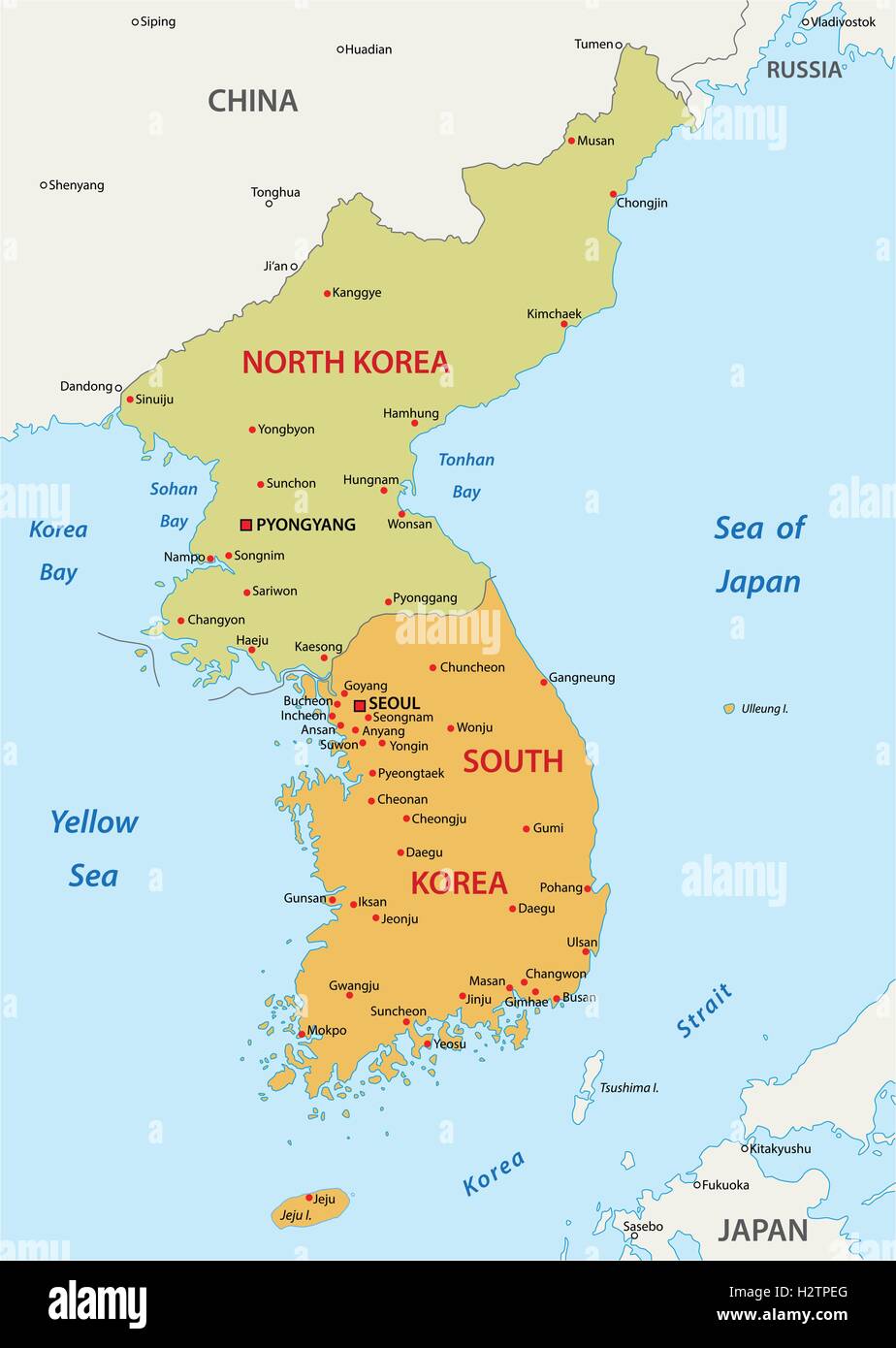
“The moisture from Jangmi could enhance rainfall in South Korea by 20–30% above normal for the next 48 hours,” explained KMA’s Chief Forecaster Lee Ji-hoon. “While we’re not expecting typhoon-force winds, localized flooding and urban drainage issues are likely, especially in Seoul and Busan.” In China, the National Meteorological Center has advised provinces along the Yellow Sea coast to monitor for sudden downpours.
What Happens Next: Tracking Jangmi’s Aftermath
As of June 2, 2026, the following developments are expected:
- June 2–3, 2026: Typhoon Jangmi’s center is forecast to pass just south of Okinawa, weakening slightly but maintaining Category 1 strength as it moves toward the East China Sea.
- June 3–4, 2026: The storm’s remnants may merge with a cold front, bringing scattered showers to Kyushu and Shikoku in Japan, as well as southern Korea.
- June 5, 2026: The JMA will issue a post-storm assessment, including damage reports and long-term rainfall analysis. The JTWC will likely issue its final advisory by this date.
For residents in affected regions, the next critical updates will come from:
- The Japan Meteorological Agency (hourly advisories and radar imagery).
- The Korean Meteorological Administration (rainfall and flood warnings).
- Local disaster management offices (evacuation orders and shelter locations).
Key Takeaways: What This Means for East Asia
- Early-season typhoons are becoming more common, forcing governments to adjust preparedness timelines.
- Japan’s southern islands are the most vulnerable to direct impacts, with Okinawa facing the highest risks.
- Secondary effects (moisture, rain) can extend hundreds of kilometers, affecting areas not directly in the storm’s path.
- Climate data suggests warming oceans are fueling stronger early storms, though long-term trends require further study.
- Regional cooperation is critical for sharing real-time data and coordinating disaster responses.
As Typhoon Jangmi demonstrates, no part of East Asia is immune to the ripple effects of tropical cyclones. For now, the focus remains on Japan’s preparations—but the storm serves as a reminder of how interconnected our weather systems have become. What began as a local threat may soon become a regional conversation about resilience in the face of changing climate patterns.
For live updates, follow the Japan Meteorological Agency and the Korean Meteorological Administration. Have you experienced typhoon impacts in your region? Share your stories in the comments below.