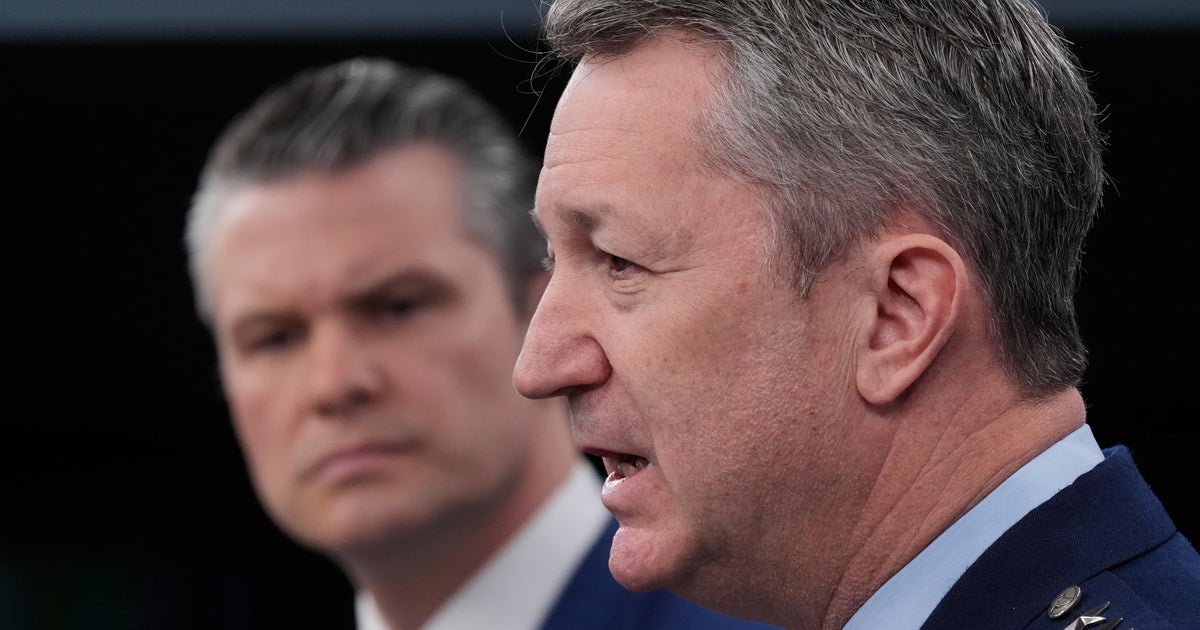
Defense Secretary Pete Hegseth and Joint Chiefs of Staff Chairman General Dan Caine held a joint news conference on Thursday to address escalating tensions between the United States and Iran, particularly focusing on the strategic Strait of Hormuz. The briefing came as both nations continue to maneuver for influence over critical shipping lanes amid an uneasy ceasefire that has held but remains fragile. Officials emphasized the U.S. Commitment to freedom of navigation while warning against any actions that could destabilize the region.
The Strait of Hormuz, a narrow waterway between Oman and Iran, serves as a vital chokepoint for global oil trade, with approximately 20% of the world’s petroleum passing through it daily. Any disruption to traffic in this area could have immediate repercussions on energy markets and global supply chains. Hegseth and Caine stressed that the U.S. Military maintains a heightened presence in the region to deter aggression and ensure commercial vessels can transit safely.
During the briefing, Hegseth reiterated the Defense Department’s stance that Iran’s recent naval activities, including increased patrols and missile drills near the strait, constitute a provocation that undermines regional stability. He noted that while the current ceasefire between U.S. And Iranian forces remains in effect, any miscalculation could quickly escalate tensions. Caine echoed these concerns, highlighting the Joint Chiefs’ ongoing monitoring of Iranian military movements and readiness to respond to threats against U.S. Interests or allies.
The officials also discussed the broader implications of the U.S.-Iran standoff, noting that competing claims over maritime boundaries and shipping rights have intensified in recent months. They pointed to Iran’s efforts to assert control over certain transit routes as part of a broader strategy to challenge U.S. Influence in the Middle East. Hegseth warned that such actions could prompt a stronger U.S. Naval response if deemed necessary to protect international maritime law.
Caine provided further context on the military posture, explaining that U.S. Forces in the region are operating under strict rules of engagement designed to avoid unnecessary escalation while maintaining a credible deterrent. He confirmed that additional surveillance assets have been deployed to monitor Iranian activity, including drones and reconnaissance aircraft, to ensure early warning of any hostile intent. The general stressed that all actions are coordinated with regional partners to maintain unity of effort.
When questioned about diplomatic channels, Hegseth acknowledged that backchannel communications remain open but cautioned that military readiness must accompany diplomatic efforts. He stated that the U.S. Is prepared to defend its interests and those of its allies, but prefers peaceful resolution through dialogue. Caine added that the military’s role is to support diplomacy by ensuring that adversaries understand the consequences of aggression.
The briefing also touched on the humanitarian impact of prolonged tensions, noting that disruptions to shipping could affect food and medicine imports for countries reliant on Gulf trade routes. Both officials affirmed that minimizing civilian harm is a priority in any military planning, and that rules of force are carefully calibrated to avoid unintended consequences.
As of the briefing, no specific incidents of direct confrontation between U.S. And Iranian vessels had been reported in the Strait of Hormuz over the past 72 hours. However, Hegseth noted that close encounters have increased, prompting renewed vigilance among naval commanders. Caine reiterated that the U.S. Does not seek conflict but will not hesitate to act if provoked.
The news conference concluded with both officials urging international stakeholders to respect established maritime norms and avoid unilateral actions that could undermine regional security. They called on Iran to de-escalate its rhetoric and return to meaningful negotiations, while affirming that the U.S. Remains committed to a stable and open maritime environment.
Looking ahead, the next scheduled update on U.S.-Iran military developments is expected during the Pentagon’s weekly press briefing on Friday, April 25, 2026, where further details on force posture and diplomatic engagements may be shared. No additional joint appearances by Hegseth and Caine have been announced at this time.
For ongoing coverage of defense and foreign policy developments, readers are encouraged to follow official updates from the U.S. Department of Defense and the Joint Chiefs of Staff. Share your thoughts on this developing story in the comments below, and help spread awareness by sharing this article with others interested in global security affairs.