
Despite a temporary ceasefire extension between the United States and Iran, tensions in the Strait of Hormuz continue to disrupt global supply chains and intensify pressure on humanitarian operations worldwide. The waterway, through which approximately 20% of the world’s oil supply passes, remains a flashpoint as both nations maintain opposing interpretations of the ceasefire terms.
President Donald Trump announced on Tuesday, April 22, 2026, that he was extending the ceasefire with Iran indefinitely, reversing a previous threat to resume military action if Tehran did not accept his conditions for a broader peace deal by that date. However, Iran has continued to target commercial vessels in the strategic strait, asserting that U.S. Naval blockades of Iranian ports violate the agreement.
According to U.S. Central Command (CENTCOM), American forces have directed 31 vessels to turn around or return to port as part of the ongoing blockade against Iran, an increase of two vessels from the previous day’s tally. These actions have contributed to renewed volatility in global oil markets, with prices jumping again amid fears of prolonged disruption.
The Strait of Hormuz, located between Oman and Iran, connects the Persian Gulf to the Gulf of Oman and the Arabian Sea. It is one of the world’s most critical chokepoints for energy transport, with tankers carrying crude oil from Saudi Arabia, Iraq, the United Arab Emirates, Kuwait, and Qatar regularly transiting the narrow passage.
Iran’s strategy in the strait has been described by analysts as a “war of endurance,” leveraging its geographic position to impose economic costs on global markets while betting it can outlast U.S. Political will to maintain a military presence. This approach has kept insurance premiums high for shipping companies and forced some carriers to seek longer, more expensive alternative routes around Africa.
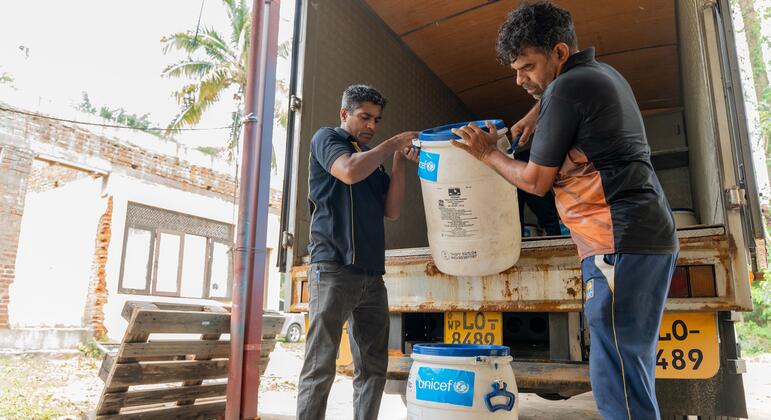
The ongoing tensions are not limited to commercial shipping. Humanitarian aid deliveries to vulnerable populations in Yemen, Syria, and other conflict-affected regions have been delayed or rerouted due to heightened risks in the Gulf. United Nations agencies have reported increased operational costs and logistical challenges in maintaining supply lines for food, medicine, and fuel.
On Wednesday, April 23, 2026, the body of Lebanese journalist Amal Khalil was recovered from the rubble of an Israeli airstrike on the southern village of al-Tiri. Khalil, a reporter for the daily Al-Akhbar newspaper, had been covering the Israel-Hezbollah conflict since October 2023. Her death was confirmed by Lebanon’s Information Minister Paul Morcos and reported by the Associated Press.
Reuters Without Borders (RSF) had previously called on the international community to pressure the Israeli military to allow rescue efforts for Khalil and other journalists operating in southern Lebanon. The incident underscores how regional conflicts continue to intersect with broader geopolitical tensions, complicating efforts to stabilize humanitarian corridors.
Global trade analysts warn that even short-term disruptions in the Strait of Hormuz can have cascading effects on inflation, manufacturing, and energy prices worldwide. Countries heavily dependent on Gulf oil imports, including India, China, Japan, and South Korea, remain particularly vulnerable to any escalation.
As of Thursday, April 23, 2026, no formal negotiations between the U.S. And Iran have been publicly confirmed, despite the extended ceasefire offering a potential opening for diplomacy. Both sides continue to exchange accusations through public statements, with Tehran accusing Washington of economic warfare and the U.S. Insisting Iran must de-escalate its maritime activities.
The next key development to watch is any official statement from CENTCOM regarding adjustments to the naval blockade or further vessel intercepts. Updates are typically posted on the command’s official website and shared through Department of Defense channels.
For real-time tracking of maritime incidents in the Strait of Hormuz, the public can consult the International Maritime Organization’s piracy and armed robbery reports or the U.S. Maritime Administration’s daily advisories.
If you have insights or observations about how global supply chains are being affected by ongoing tensions in key maritime chokepoints, we encourage you to share them in the comments below. Help us maintain this conversation informed, grounded, and useful for readers around the world.