
Diplomatic efforts to secure a ceasefire between the United States and Iran have intensified, with officials from both nations signaling that a potential agreement to de-escalate regional hostilities is within reach. While no formal pact has been signed, the current discourse marks a significant shift in tone following months of heightened tensions across the Middle East. According to statements from senior diplomatic representatives, the parties are currently engaged in delicate negotiations aimed at establishing a durable framework for peace.
The prospect of a U.S. and Iran ceasefire deal appears to be moving toward a critical juncture, though the timeline for finalization remains subject to ongoing verification of terms. In Tehran, officials have publicly expressed optimism regarding the progress of these discussions. Conversely, officials in Washington have maintained a more guarded stance, emphasizing that while progress is being made, the transition from negotiation to a binding agreement requires further consensus on specific security protocols and enforcement mechanisms, as reported by the U.S. Department of State.
Status of Current Diplomatic Negotiations
The diplomatic push to address the long-standing tensions between the two nations involves back-channel communications and intermediaries. Iranian Foreign Minister Abbas Araghchi recently remarked that a deal has “never been closer,” suggesting that the technical hurdles preventing a breakthrough are being systematically addressed. This optimism follows a period of volatile exchanges that prompted international concern over the potential for a broader conflict.
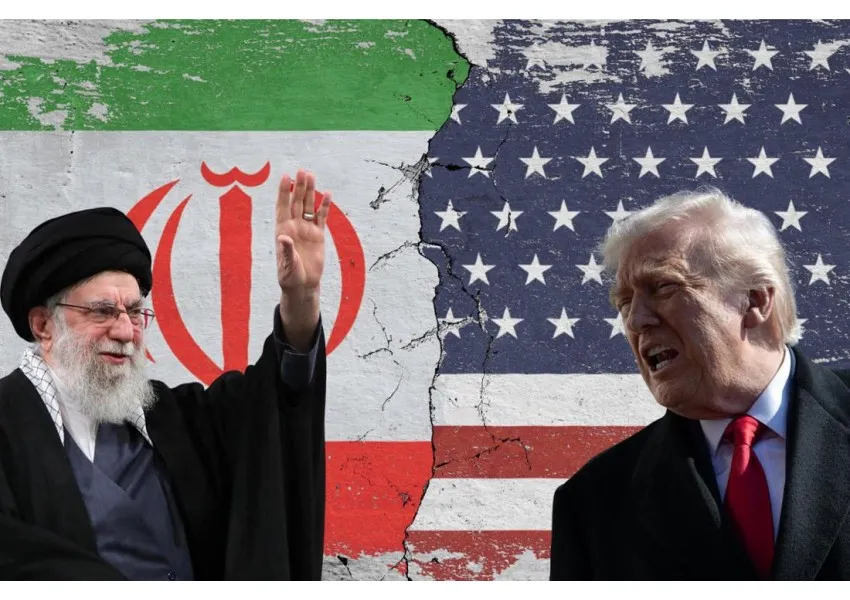
However, the transition from rhetoric to a signed agreement is contingent upon several unresolved variables. Analysts note that any formal arrangement would likely need to address regional security concerns, the status of proxy groups, and the enforcement of non-aggression protocols. The United Nations Charter provides the international legal framework under which such ceasefire agreements are typically monitored, though the current bilateral talks are being conducted primarily through independent diplomatic channels rather than a formal UN-led process.
Regional Impact and Strategic Objectives
A de-escalation of the conflict would have immediate implications for regional stability. For months, shipping lanes, energy infrastructure, and military outposts have been subject to increased risk, impacting global supply chains and energy markets. According to data provided by the International Energy Agency, market volatility remains sensitive to any news regarding potential supply disruptions in the Persian Gulf, underscoring the global economic interest in a peaceful resolution.
The strategic objectives for both parties are distinct. For the U.S., the primary goal is the cessation of attacks on regional assets and the stabilization of maritime security. For Iran, the focus remains on the alleviation of economic pressure and the recognition of its regional security interests. The interplay between these competing goals continues to shape the drafting of the proposed ceasefire terms.
The Road to Formalization: What Happens Next
As the situation develops, observers are monitoring for specific indicators of progress, such as the exchange of formal written commitments or the establishment of a direct communication hotline between military commands. The history of U.S.-Iran relations suggests that even when agreement on core principles is reached, the process of implementation can be subject to delays due to internal political pressures in both capitals.

The next confirmed checkpoint for these developments will be the upcoming series of diplomatic briefings scheduled for the next session of the UN General Assembly and subsequent bilateral meetings between international envoys. These meetings are expected to serve as a venue for finalizing the language of any potential accord. Stakeholders are advised to monitor official government releases from the White House and the Iranian Ministry of Foreign Affairs for the most accurate updates on the status of these negotiations.
This evolving story remains subject to change as diplomatic conditions shift. Readers interested in the latest official developments are encouraged to follow verified government portals and reputable international news wires for real-time updates. We invite you to share your perspective on these developments in the comments section below.
Keep reading