U.S. Launches First National One Health Plan to Combat Zoonotic Diseases
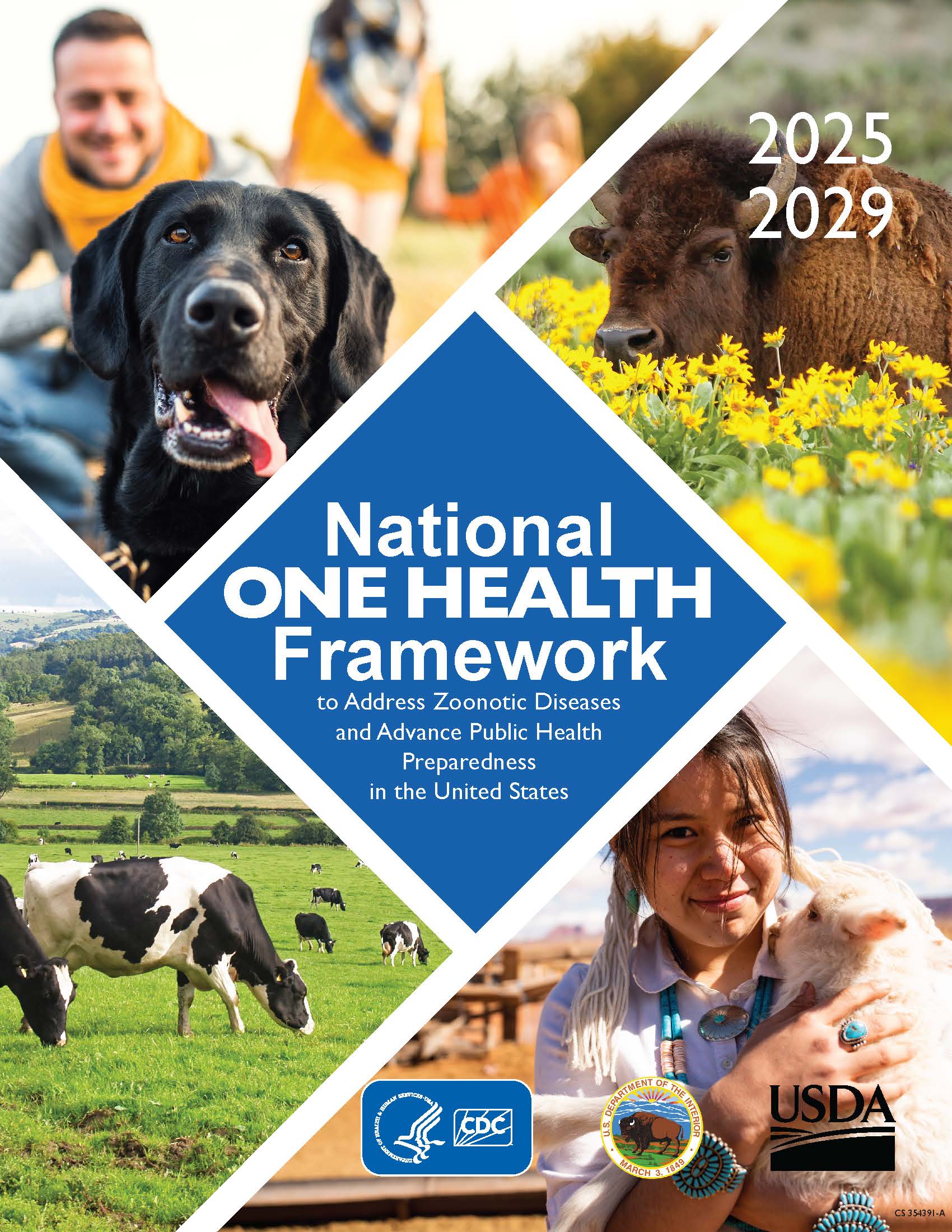
In a landmark move to strengthen public health preparedness, the U.S. Government has released its first-ever National One Health Framework to address zoonotic diseases—illnesses that jump between animals and humans. Announced on January 10, 2025, the plan marks a significant shift in how federal agencies collaborate to tackle shared health threats, from avian influenza to future pandemics. The initiative, led by the Centers for Disease Control and Prevention (CDC), the U.S. Department of Agriculture (USDA), and the Department of the Interior (DOI), reflects growing recognition that human, animal, and environmental health are inextricably linked.
The framework arrives at a critical juncture. Zoonotic diseases account for 60% of all infectious diseases in humans and 75% of emerging infectious diseases, according to the CDC. Recent outbreaks—including COVID-19, mpox, and highly pathogenic avian influenza (HPAI)—have underscored the urgent need for a coordinated response. “This plan is not just about reacting to outbreaks; it’s about preventing them before they spill over into human populations,” said a CDC spokesperson in the official press release.
The One Health approach, a concept gaining traction globally, emphasizes collaboration across sectors to address health threats at their source. By integrating expertise from public health, veterinary medicine, ecology, and environmental science, the U.S. Aims to create a more resilient defense against diseases that transcend species barriers. The framework, mandated by Congress in the 2023 Consolidated Appropriations Act, outlines a five-year roadmap for federal agencies to align their efforts, share data, and streamline response protocols.
What Is the One Health Approach?
The One Health concept is rooted in the understanding that the health of people, animals, and ecosystems are interconnected. For example, deforestation can disrupt wildlife habitats, increasing the likelihood of viruses jumping from animals to humans. Similarly, antimicrobial resistance in livestock can spread to human populations through food chains or environmental contamination. The framework defines One Health as a “collaborative, multisectoral, and transdisciplinary approach”, aiming to break down silos between agencies that traditionally operate independently.

Historically, U.S. Agencies like the CDC, USDA, and DOI have addressed zoonotic diseases within their respective domains—human health, agriculture, and wildlife conservation. However, outbreaks like COVID-19, which likely originated in animals, revealed gaps in coordination. The fresh framework seeks to bridge these gaps by establishing shared goals, such as:
- Enhancing surveillance systems to detect zoonotic threats early.
- Improving data sharing between human, animal, and environmental health sectors.
- Strengthening workforce training in One Health principles.
- Expanding research on the ecological drivers of disease emergence.
“This is a paradigm shift,” said Dr. Tracey McNamara, a veterinary pathologist and One Health advocate, in an interview with One Health Commission. “For the first time, we’re seeing a structured commitment to collaboration at the federal level. It’s a game-changer for pandemic preparedness.”
Why This Plan Matters Now
The timing of the framework’s release is no coincidence. The U.S. Has faced a surge in zoonotic disease threats in recent years, including:
- Highly Pathogenic Avian Influenza (HPAI): Since 2022, HPAI has devastated poultry flocks across the U.S., with over 82 million birds culled as of early 2025, according to USDA data. Whereas human cases remain rare, the virus’s rapid spread has raised alarms about its potential to mutate and infect people.
- Mpox (formerly monkeypox): The 2022 global outbreak highlighted the need for better surveillance of zoonotic viruses. The U.S. Reported over 30,000 cases during the outbreak, per CDC records.
- Lyme Disease and Other Tick-Borne Illnesses: Cases of Lyme disease, transmitted by ticks, have doubled in the U.S. Over the past two decades, driven by climate change and expanding tick habitats.
The framework also arrives as global health experts warn of “Disease X”, a hypothetical pathogen with pandemic potential. The World Health Organization (WHO) has identified Disease X as a priority for research, emphasizing the need for proactive measures like One Health to mitigate future threats. “We cannot wait for the next pandemic to act,” said Dr. Maria Van Kerkhove, WHO’s technical lead for COVID-19, in a 2024 statement. “One Health is not optional; it’s essential.”
How the Framework Will Work
The National One Health Framework outlines four core goals to guide federal efforts over the next five years:
- Strengthen One Health Coordination: Establish a federal One Health Task Force to oversee implementation and ensure agencies align their strategies.
- Enhance Surveillance and Early Detection: Expand existing systems like the National Wastewater Surveillance System to monitor zoonotic pathogens in real time.
- Improve Workforce Capacity: Develop training programs to equip public health, veterinary, and environmental professionals with One Health skills.
- Advance Research and Innovation: Invest in studies on the ecological and social drivers of zoonotic diseases, including climate change and land-use patterns.
The plan also emphasizes partnerships beyond government. State and local health departments, academic institutions, and private-sector stakeholders will play critical roles in implementation. For example, universities like the University of California, Davis, which houses a One Health Institute, are expected to contribute research and expertise.
“This is not just a federal effort,” said a USDA representative in the framework’s official summary. “It requires collaboration at every level—from farmers to veterinarians to public health officials.”
Global Context and Lessons Learned
The U.S. Is not the first country to adopt a One Health strategy. The European Union, Canada, and several African nations have implemented similar frameworks, often in response to specific outbreaks. For instance:
- Canada: Launched its One Health approach in 2018, focusing on antimicrobial resistance and food safety.
- European Union: The EU One Health Action Plan, introduced in 2017, targets zoonoses and antimicrobial resistance.
- Rwanda: Implemented a One Health program to combat rabies, reducing human cases by 90% in pilot districts.
These international examples highlight both the potential and challenges of One Health. Success depends on sustained funding, political will, and cross-sector collaboration—areas where past U.S. Efforts have sometimes fallen short. The new framework addresses these hurdles by mandating regular progress reports to Congress and establishing clear metrics for evaluation.
What’s Next for the U.S. One Health Plan?
The framework’s release marks the beginning of a long-term process. Key next steps include:
- Formation of the One Health Task Force: Expected to convene by mid-2025, this body will coordinate federal efforts and engage external partners.
- State and Local Engagement: Agencies will work with state health departments to adapt the framework to regional needs, particularly in areas with high zoonotic disease risk, such as the Midwest (agricultural hubs) and the Northeast (tick-borne illnesses).
- Public Awareness Campaigns: The CDC plans to launch educational initiatives to inform communities about zoonotic risks and prevention strategies.
The first progress report is slated for release in January 2026, offering an early look at the framework’s impact. In the meantime, stakeholders are urging Congress to allocate sufficient funding to support implementation. “This plan is a critical step, but it’s only as strong as the resources behind it,” said Dr. Laura Kahn, a physician and One Health researcher at Princeton University, in a recent commentary.
Key Takeaways for Readers
- Historic Milestone: The U.S. Has released its first national framework to address zoonotic diseases through a One Health approach, integrating human, animal, and environmental health.
- Five-Year Roadmap: The plan outlines goals for surveillance, workforce training, and research, with a focus on preventing future pandemics.
- Collaborative Effort: Led by the CDC, USDA, and DOI, the framework requires coordination across federal, state, and local levels, as well as with academic and private-sector partners.
- Global Relevance: The U.S. Joins other nations in adopting One Health strategies, reflecting a growing recognition of the interconnectedness of health threats.
- Next Steps: The One Health Task Force will convene in 2025, with the first progress report due in January 2026.
What This Means for You
While the National One Health Framework is a federal initiative, its impact will ripple through communities nationwide. Here’s how it might affect you:

- Public Health: Improved surveillance could lead to earlier detection of outbreaks, reducing the risk of widespread illness.
- Food Safety: Enhanced monitoring of livestock and wildlife may help prevent foodborne illnesses like salmonella and E. Coli.
- Environmental Protection: The plan’s focus on ecological drivers of disease could inform policies on land use, climate change, and conservation.
- Workforce Opportunities: The framework’s emphasis on training could create new career paths in One Health fields, from veterinary public health to environmental epidemiology.
For those interested in staying informed, the CDC’s One Health webpage offers updates on the framework’s implementation, as well as resources for healthcare providers, researchers, and the general public.
The Road Ahead
The release of the National One Health Framework is a pivotal moment in U.S. Public health history. As the world grapples with the lingering effects of COVID-19 and the looming threat of new pandemics, the plan offers a blueprint for a more proactive and integrated approach to health security. However, its success will depend on sustained political commitment, adequate funding, and the willingness of diverse stakeholders to work together.
“This is not just about preventing the next pandemic,” said a DOI official in the framework’s introduction. “It’s about building a healthier future for people, animals, and the planet we share.”
The next major checkpoint is the January 2026 progress report, which will provide the first comprehensive assessment of the framework’s impact. Until then, public health advocates, policymakers, and communities will be watching closely to observe how this ambitious plan translates into action.
What are your thoughts on the U.S. One Health Framework? Do you believe it will make a difference in preventing future outbreaks? Share your views in the comments below, and don’t forget to follow World Today Journal for the latest updates on global health and policy.