President Donald Trump has directed the U.S. Navy to shoot and destroy any vessels attempting to lay naval mines in the Strait of Hormuz, a critical maritime chokepoint for global oil shipments. The order, issued on Thursday, April 23, 2026, follows heightened tensions in the region and warnings from defense officials about the potential threat posed by Iranian-backed forces using small boats to deploy mines in the vital waterway.
The directive underscores growing concerns over the security of one of the world’s most important oil transit routes, through which approximately 20% of global petroleum supplies pass each day. Military analysts warn that even a limited mining campaign could disrupt shipping for months, significantly impacting energy markets and global trade flows.
According to verified reports from multiple news outlets, President Trump emphasized that there would be “no hesitation” in carrying out the order, signaling a firm stance against any perceived threat to freedom of navigation in the Strait. The command comes amid ongoing diplomatic friction between the United States and Iran, particularly regarding maritime activities near strategic Gulf waters.
The Pentagon has previously estimated that clearing mines from the Strait of Hormuz, should they be deployed, could seize up to six months due to the complexity and danger involved in mine countermeasure operations. This timeline highlights the strategic importance of preventing mine placement in the first place rather than attempting remediation after the fact.
Strategic Importance of the Strait of Hormuz
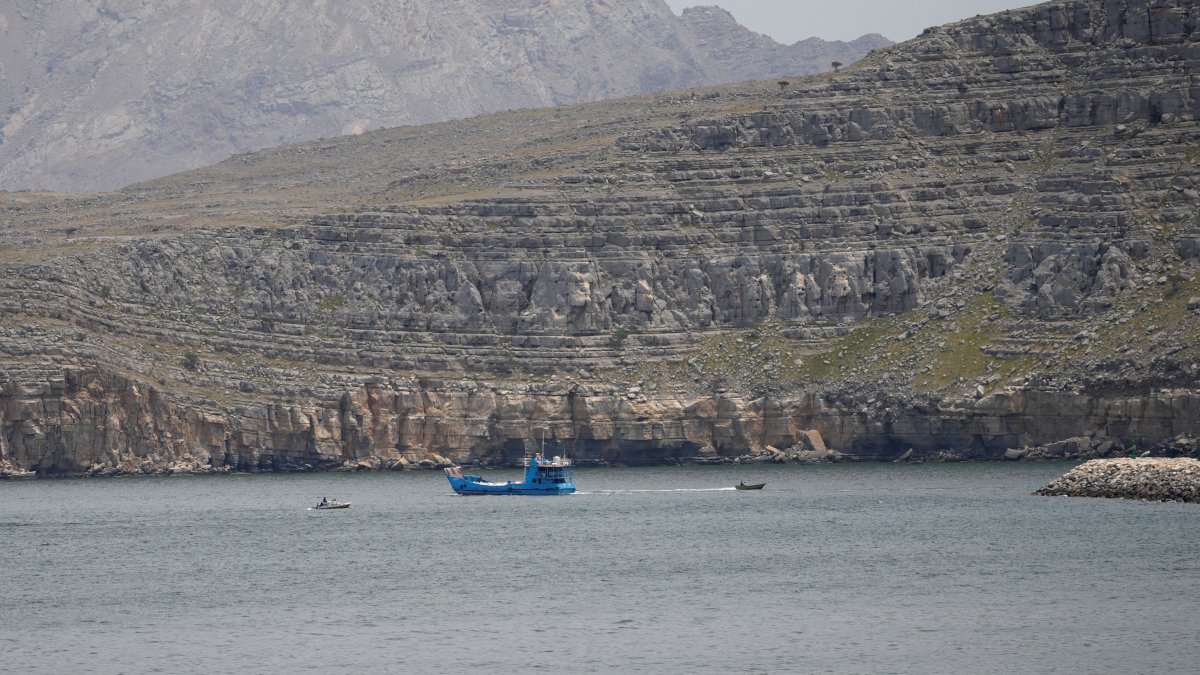
The Strait of Hormuz, located between Oman and Iran, serves as the sole sea passage from the Persian Gulf to the open ocean. It’s flanked by Iranian territory on the northern coast and the Musandam Peninsula of Oman on the south. At its narrowest point, the shipping lane is just 21 miles wide, though vessels must navigate through two-mile-wide channels designated for inbound and outbound traffic under international maritime regulations.
Every day, an average of 21 million barrels of oil — equivalent to roughly one-fifth of global consumption — transit through the strait, according to data from the U.S. Energy Information Administration. Major exporters reliant on this route include Saudi Arabia, Iraq, the United Arab Emirates and Kuwait, with liquefied natural gas (LNG) shipments from Qatar also heavily dependent on unimpeded passage.
Disruptions to traffic in the Strait have historically triggered sharp increases in global oil prices. For example, during the 2019 tanker attacks attributed to Iranian forces, Brent crude prices rose by more than 3% in a single day. Analysts note that the mere threat of mining operations can lead to increased insurance premiums for shipping companies, known as war risk surcharges, which are ultimately passed on to consumers.
Military Response and Rules of Engagement
The order to “shoot and kill” any boat laying mines reflects a shift toward a more aggressive defensive posture in the region. While the exact rules of engagement have not been publicly disclosed in full, military officials typically authorize the employ of force when vessels are observed engaging in hostile intent, such as deploying explosive devices in navigable waters.
U.S. Naval forces in the area operate under the umbrella of U.S. Central Command (CENTCOM), which maintains a persistent presence including destroyers, patrol craft, and maritime surveillance aircraft. These assets are supported by allied navies from regional partners such as the United Kingdom, France, and Australia, which contribute to multinational maritime security initiatives like the International Maritime Security Construct (IMSC).
Mine-laying activities are generally conducted using small, fast-attack craft capable of operating close to shore before darting back into territorial waters. Such vessels are difficult to detect and intercept, which is why preemptive engagement — as outlined in the presidential directive — is considered a key deterrent strategy by defense planners.
Historical Context and Precedents
The use of naval mines in the Strait of Hormuz is not without precedent. During the Tanker War phase of the Iran-Iraq conflict in the 1980s, both countries employed mining tactics to disrupt each other’s oil exports. In 1987, the U.S. Navy reflagged Kuwaiti tankers and conducted Operation Earnest Will to protect shipping, during which the guided-missile frigate USS Samuel B. Roberts struck an Iranian mine and sustained significant damage.

More recently, in 2019, a series of unexplained explosions damaged six merchant vessels in and around the Strait of Hormuz. While no group claimed responsibility, the U.S. Military released video evidence it said showed Iranian Revolutionary Guard Corps Navy personnel removing an unexploded limpet mine from one of the attacked ships. Tehran denied involvement, calling the allegations part of a “false flag” operation.
These past incidents have informed current military planning, particularly regarding the need for rapid response capabilities and close coordination with international partners to monitor suspicious activity in real time.
Impact on Global Markets and Shipping
The prospect of mining operations in the Strait of Hormuz immediately raises concerns among energy traders, shipping insurers, and multinational corporations reliant on just-in-time supply chains. Even the perception of heightened risk can lead to increased volatility in crude oil futures markets, as traders price in potential supply disruptions.
Maritime insurance providers typically adjust war risk premiums based on threat assessments issued by government agencies and international bodies. Following the presidential order, industry analysts noted that while the clear deterrent message might reduce the likelihood of actual mine deployment, any perceived escalation could still trigger short-term spikes in shipping costs.
Global energy markets remain sensitive to developments in the Gulf region, particularly given ongoing production cuts by OPEC+ members and fluctuating demand patterns tied to economic growth in Asia. Any interruption to flows from the Strait would compound existing pressures on global energy supplies.
Diplomatic and International Reactions
As of the time of this report, official responses from Iranian authorities to the presidential directive have not been publicly verified through primary sources such as state media releases or statements from the Ministry of Foreign Affairs. Similarly, no formal comments have been confirmed from the United Nations Security Council or the International Maritime Organization regarding the U.S. Navy’s updated rules of engagement in the strait.
Regional allies have generally expressed support for measures aimed at ensuring freedom of navigation, though some have cautioned against actions that could inadvertently escalate tensions. Diplomatic channels between Washington and Tehran remain limited, with no high-level talks currently scheduled according to publicly available schedules from the U.S. Department of State.
International law experts note that while nations have the right to self-defense under Article 51 of the UN Charter, the use of lethal force against civilian vessels — even those suspected of hostile intent — must comply with principles of proportionality and necessity under the law of armed conflict. Any such actions would be subject to scrutiny if they resulted in loss of life or property damage.
Next Steps and Monitoring
The U.S. Navy has not announced any specific changes to deployment levels or operational procedures in the Strait of Hormuz following the presidential order. However, defense officials routinely conduct assessments of threat levels and adjust force posture accordingly based on intelligence inputs and mission requirements.
The next scheduled review of regional security conditions is expected to occur during the upcoming quarterly meeting of the U.S.-Gulf Cooperation Council Strategic Dialogue, though the exact date has not been confirmed in publicly available sources. Updates to maritime security advisories are typically issued by the U.S. Maritime Administration (MARAD) through its biweekly Marine Safety Information Bulletins, which provide guidance to commercial vessels operating in high-risk areas.
For real-time tracking of naval movements and official statements, journalists and analysts commonly refer to the U.S. Department of Defense’s daily press briefings and the U.S. Fifth Fleet’s public information releases, both of which are accessible via official .gov websites.
This developing situation underscores the enduring volatility of maritime security in one of the world’s most critical chokepoints. As global energy markets continue to monitor developments in the Gulf, the balance between deterrence and de-escalation remains a central challenge for policymakers and military planners alike.
Readers are encouraged to share their thoughts on this development in the comments section below and to follow World Today Journal for ongoing coverage of international security and economic affairs.