
Havana, Cuba — GAESA, Cuba’s sprawling military-run conglomerate, has become the epicenter of a high-stakes geopolitical battle between Havana and Washington. With U.S. Sanctions targeting its financial lifelines and Cuban officials accusing the U.S. Of economic warfare, the conglomerate—estimated to control between 40% and 70% of Cuba’s economy—operates as a shadow state within the island’s official structures. As tensions escalate, World Today Journal examines how GAESA’s dual role as economic powerhouse and political tool has reshaped Cuba’s relationship with the United States.
Founded in 1995 by then-Defense Minister Raúl Castro during Cuba’s post-Soviet “Special Period,” GAESA (Grupo de Administración Empresarial S.A.) was designed to provide the Cuban military with a financial foundation. Today, it manages everything from luxury tourism and port logistics to banking, telecommunications, and remittance services—all while operating with minimal oversight. Its reach is so extensive that critics, including U.S. Officials, describe it as a “state within a state,” accountable to no one but the military leadership.
The conglomerate’s prominence was underscored in May 2026 when U.S. Secretary of State Marco Rubio directly blamed GAESA for Cuba’s economic woes, calling it a “financial juggernaut” that hoards profits for a small elite. Meanwhile, Cuban officials and state media have framed the U.S. Crackdown as an attempt to destabilize the island’s economy. The latest escalation came in late May, when the Trump administration imposed sanctions on GAESA’s current leader, Brigadier General Ania Guillermina Lastres, further tightening the noose on the conglomerate’s financial operations.
What Is GAESA—and Why Does It Matter?
GAESA is not just another state-owned enterprise. It is a conglomerate of dozens of subsidiaries, each operating in critical sectors of Cuba’s economy. Among its most visible holdings:
- Tourism and hospitality: GAESA owns or manages many of Cuba’s highest-end hotels, including the Iberostar Selection La Habana, housed in the 42-story Torre K—the tallest building on the island. Despite its grandeur, the hotel remains largely empty, a symbol of Cuba’s tourism struggles.
- Ports and logistics: The conglomerate controls the Port of Mariel, Cuba’s largest and most strategically key commercial hub.
- Financial services: GAESA operates Banco Financiero Internacional, the island’s most important commercial bank, giving it control over foreign currency reserves.
- Retail and fuel: Hundreds of gas stations and supermarkets across Cuba fall under GAESA’s umbrella, ensuring its influence over daily life for ordinary Cubans.
- Communications and remittances: The conglomerate owns Cuba’s sole internet provider, ETECSA, and dominates the remittance market, a lifeline for Cuban families receiving dollars from abroad.
What makes GAESA unique is its autonomy. Unlike other state entities, it does not disclose its financial records to Cuban authorities, and its profits do not appear in the national budget. Instead, revenues flow directly to the Cuban Revolutionary Armed Forces (FAR), reinforcing the military’s economic and political power. This opacity has made GAESA a lightning rod for criticism, both domestically and internationally.
“GAESA is a financial juggernaut protected from sharing its resources with impoverished Cuban society by its political clout.”
— Reuters, May 21, 2026
U.S. Sanctions: A Targeted Campaign or Economic Warfare?
The U.S. Has long viewed GAESA as a tool of Cuban authoritarianism. In 2022, the Biden administration expanded sanctions targeting the conglomerate’s financial networks, arguing that its profits fund the Cuban regime’s repression. The latest sanctions, announced in May 2026, specifically target Brigadier General Lastres, GAESA’s current leader, and restrict transactions involving its subsidiaries.
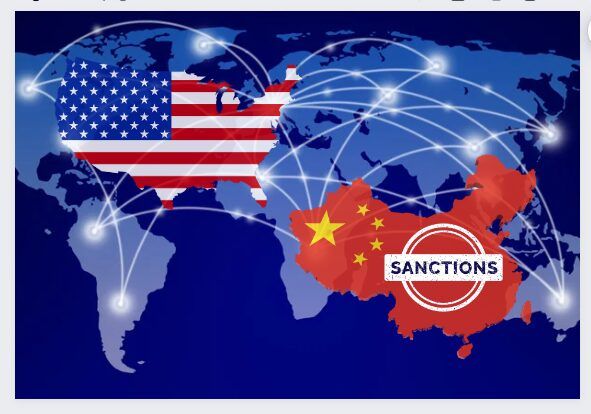
Cuban officials, however, reject these claims outright. In a recent editorial published by the state-run news agency Cubadebate, GAESA was described as a victim of U.S. Economic aggression rather than a source of Cuba’s problems. The piece argued that sanctions are designed to weaken Cuba’s ability to trade and import essential goods, exacerbating shortages and inflation.
Analysts suggest the U.S. Strategy is twofold: first, to pressure Cuba’s military leadership by cutting off its revenue streams; second, to undermine public support for the regime by exposing GAESA’s role in economic mismanagement. The question remains, however, whether these measures will achieve their intended effect—or simply deepen Cuba’s economic crisis, with ordinary citizens bearing the brunt.
GAESA’s Financial Reality: Profit or Peril?
One of the most contentious debates surrounding GAESA is its financial health. While some reports, including those from Wikipedia and Reuters, describe it as a “financial juggernaut,” others paint a far grimmer picture. A leaked financial statement from 2023 and 2024, published by El Nuevo Herald in 2025, suggested that GAESA may be “on the verge of bankruptcy”, struggling with debt and declining revenues.
Discrepancies in these reports highlight the challenges of assessing GAESA’s true financial state. Without independent audits or transparent reporting, claims about its profitability—or lack thereof—remain speculative. What is clear, however, is that the conglomerate’s survival is increasingly tied to its ability to navigate U.S. Sanctions and maintain access to international markets.
Who Benefits—and Who Suffers?
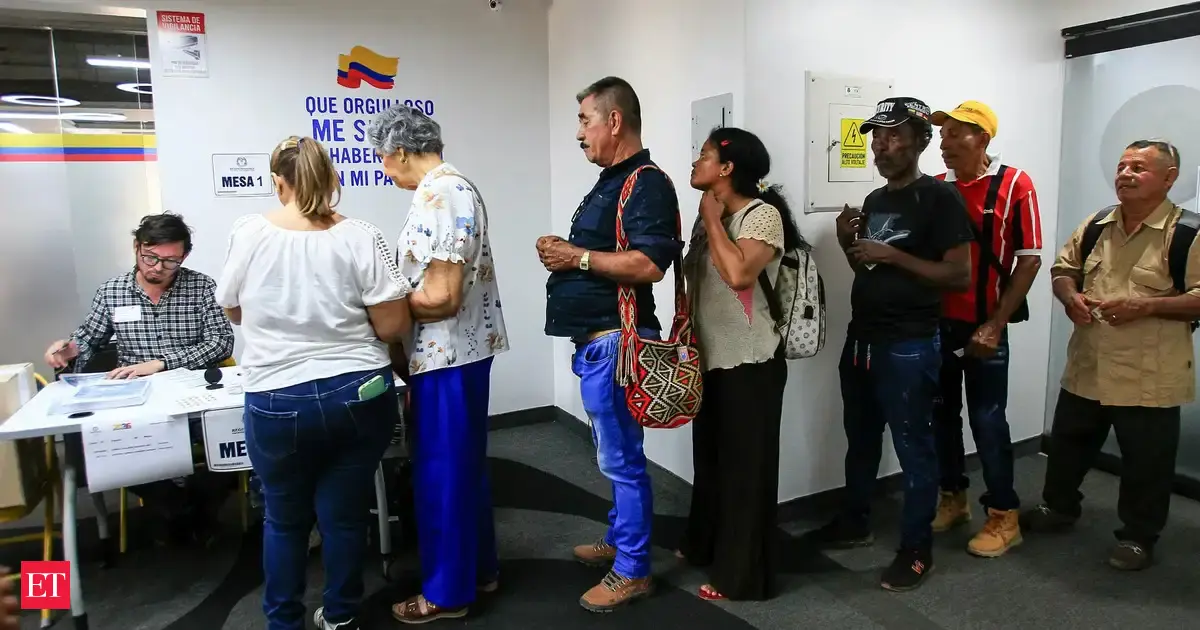
The GAESA saga is more than a financial story; it is a political and humanitarian one. While the conglomerate’s leaders and affiliated elites benefit from its profits, ordinary Cubans face the consequences of economic instability. Shortages of food, medicine, and fuel—exacerbated by U.S. Sanctions—have led to widespread hardship, with many blaming GAESA’s alleged mismanagement for the crisis.
Yet, the picture is complex. GAESA’s subsidiaries, such as CIMEX (its largest commercial arm), provide essential goods and services to Cubans. The conglomerate also plays a key role in remittances, which are vital for millions of families. Any disruption to its operations could further destabilize Cuba’s fragile economy.
Meanwhile, the U.S. Faces its own challenges. Critics argue that sanctions, while targeting GAESA, also harm Cuban civilians by restricting access to imports and financial services. Supporters of the policy contend that pressure on GAESA is necessary to force Cuba’s leadership to engage in meaningful political and economic reforms.
What’s Next? The Road Ahead
As the U.S. And Cuba lock horns over GAESA, the immediate future remains uncertain. The Trump administration’s sanctions on Brigadier General Lastres signal a hardening of Washington’s stance, but whether this will lead to meaningful change in Havana—or further economic strain—is unclear.
Cuba’s leadership, for its part, continues to deny any wrongdoing, framing the U.S. Actions as part of a broader campaign to isolate the island. In the absence of dialogue, both sides appear committed to their respective strategies, leaving ordinary Cubans caught in the crossfire.
One thing is certain: GAESA’s role in Cuba’s economy—and its place in U.S.-Cuba relations—will not diminish anytime soon. The coming months will be critical in determining whether the conglomerate can weather the storm of sanctions or whether it will become a casualty of the geopolitical battle it now embodies.
Key Takeaways
- GAESA’s reach: The military conglomerate controls up to 70% of Cuba’s economy, operating in tourism, banking, logistics, and communications.
- U.S. Sanctions: Targeted at GAESA’s financial networks and leadership, including recent sanctions on Brigadier General Ania Guillermina Lastres.
- Cuban response: Officials deny GAESA’s role in economic mismanagement, framing U.S. Actions as economic warfare.
- Financial health: Reports vary—some describe GAESA as a “financial juggernaut,” while leaks suggest it may be struggling with debt.
- Human impact: Ordinary Cubans face shortages and hardship, with GAESA’s operations both providing essential services and contributing to economic instability.
- Geopolitical stakes: The GAESA conflict is a proxy battle between U.S. Efforts to pressure Cuba’s military and Havana’s resistance to foreign interference.
FAQ: GAESA and U.S.-Cuba Relations
Q: What is GAESA?
A: GAESA (Grupo de Administración Empresarial S.A.) is a Cuban military-run conglomerate controlling key sectors of the island’s economy, including tourism, banking, and logistics.
Q: Why is the U.S. Targeting GAESA?
A: The U.S. Argues that GAESA’s profits fund the Cuban regime’s repression and that sanctions are necessary to pressure Havana into political and economic reforms.
Q: How does GAESA affect ordinary Cubans?
A: GAESA provides essential goods and services, but its operations also contribute to economic instability, leading to shortages of food, medicine, and fuel.
Q: Is GAESA profitable?
A: Reports vary—some describe it as highly profitable, while others suggest it may be struggling financially due to debt and declining revenues.
Q: What are the latest U.S. Sanctions on GAESA?
A: In May 2026, the Trump administration imposed sanctions on GAESA’s leader, Brigadier General Ania Guillermina Lastres, and restricted transactions involving its subsidiaries.
Q: How is Cuba responding to U.S. Sanctions?
A: Cuban officials deny GAESA’s role in economic mismanagement and frame U.S. Actions as economic warfare aimed at destabilizing the island.
Where to Follow Updates
For the latest developments on GAESA and U.S.-Cuba relations, monitor:
- U.S. Treasury sanctions updates
- Cubadebate (Cuban state media)
- Wikipedia’s GAESA page (for background)
The next critical checkpoint will be the implementation of the latest U.S. Sanctions and Cuba’s response, with potential further escalations or diplomatic maneuvers expected in the coming months. As this story unfolds, we’ll continue to provide updates on how GAESA’s operations—and the broader U.S.-Cuba dynamic—evolve.
What do you think? Should the U.S. Continue targeting GAESA, or are sanctions harming Cuban civilians more than the regime? Share your thoughts in the comments below.
- Phoenix Species Project Secures $200 Million in Funding to Save Endangered Species
- Los Reyes Cartel Leader Arrested in Michoacán Amid Blockades and Violence
- Paris Court Rules on Economic Substance in Intra-Group Royalties (newsdirectory3.com)
- Yordan Álvarez Joins Elite Group of Cuban MLB Players with Second Player of the Month Award (archynewsy.com)