
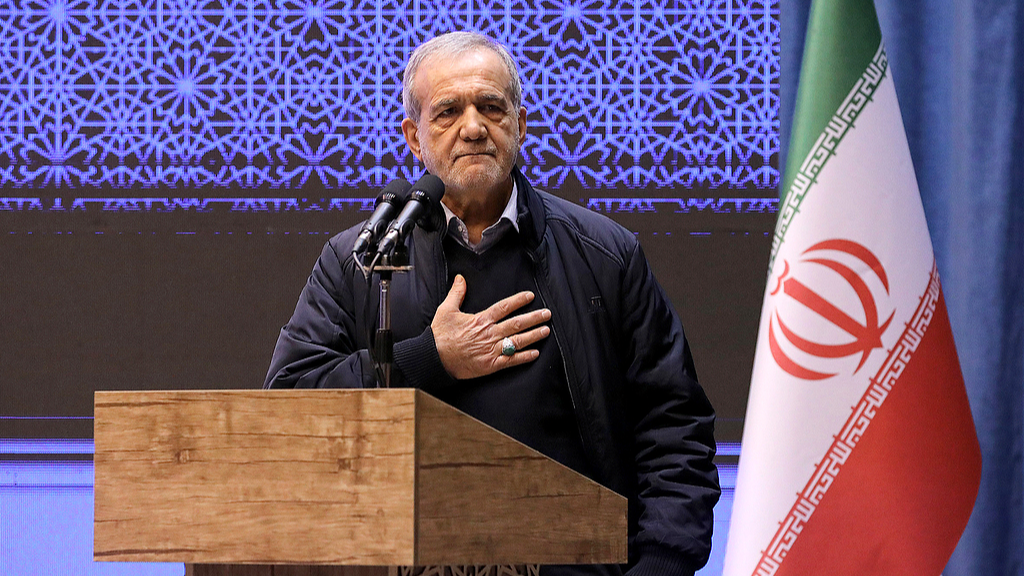
TEHRAN — In a significant address delivered on May 18, 2026, Iranian President Masoud Pezeshkian signaled a nuanced shift in the nation’s diplomatic posture, emphasizing the necessity of balancing national sovereignty with pragmatic governance. Addressing the internal pressures of a complex geopolitical landscape, the president underscored that while the Islamic Republic remains steadfast in its core principles, it is prepared to adopt a more measured approach to international relations to ensure domestic stability.
The president’s remarks, which focused on the intersection of national dignity and diplomatic engagement, have sparked intense discussion among regional analysts. By framing the current political moment as a test of “prudence,” Pezeshkian appears to be navigating a path that seeks to preserve the country’s revolutionary identity while addressing the economic and social realities that continue to define the lives of the Iranian people. This development comes as the international community closely monitors the administration’s evolving foreign policy strategy, particularly regarding its approach to multilateral dialogue.
Defining the Policy of ‘Prudent Engagement’
During his address, President Pezeshkian stated: “We will not bow our heads. We will not sacrifice the nation’s dignity for personal comfort or worldly interests; however, we must govern the country with prudence and therefore we will in engage in dialogue with dignity.” This rhetoric marks a deliberate attempt to reconcile the hardline stances traditionally favored by conservative factions with the pragmatic demands of a globalized economy. For many observers, this language reflects a broader, albeit cautious, effort to mitigate international isolation without appearing to concede on fundamental national security tenets.
The concept of “dignified dialogue” is not merely a rhetorical device; it represents a strategic pivot for the administration. As outlined in the official state discourse on foreign relations, the current Iranian government is increasingly prioritizing technical and economic diplomacy to counter the impact of ongoing sanctions. By emphasizing “prudence,” the leadership is signaling to both domestic critics and international partners that it is willing to participate in structured negotiations, provided that such interactions respect the state’s sovereignty and regional standing.
The Geopolitical Context of 2026
The landscape of Middle Eastern geopolitics in mid-2026 is characterized by shifting alliances and a persistent need for regional de-escalation. The Iranian administration’s move toward more open channels of communication coincides with broader efforts by regional powers to stabilize diplomatic ties. The emphasis on prudence suggests that Tehran is looking to leverage its position in these ongoing normalization talks to ensure that any potential agreements serve its long-term economic objectives.
the domestic impact of this policy cannot be overstated. With a population increasingly focused on inflation and infrastructure development, the government’s ability to deliver tangible results through diplomacy is critical. The president’s address serves as a public commitment to address these issues, framing economic recovery not as a departure from revolutionary values, but as the ultimate expression of protecting the “nation’s dignity” in the modern era.
Key Factors Shaping Iran’s Current Stance
- Economic Resilience: Efforts to stabilize the national currency through managed trade agreements and regional cooperation.
- Regional De-escalation: Maintaining the momentum of diplomatic normalization with neighboring states to reduce the risk of direct conflict.
- Strategic Patience: A calculated approach to international negotiations, ensuring that any concessions are met with reciprocal benefits.
- Domestic Stability: Prioritizing governance and public services to maintain social cohesion in a challenging economic environment.
What Happens Next: Navigating the Path Forward
As the administration moves forward, the focus will likely shift to the implementation of these directives in upcoming international forums. The international community is waiting to see if this rhetoric will be followed by concrete policy changes, particularly regarding the resumption of more comprehensive talks on regional security. For now, the administration has signaled that it will continue to operate within the established framework of its foreign policy, while seeking opportunities for “dignified” interaction where interests align.
The next major checkpoint for the administration will be the upcoming legislative session, where the government is expected to present its updated budget and foreign policy priorities for the remainder of the year. Analysts suggest that the tone of these sessions will provide further clarity on how the president intends to balance his promise of prudence with the legislative demands of a diverse political assembly. Observers are encouraged to monitor official announcements from the Presidential Office of the Islamic Republic of Iran for further updates on these developments.
We invite our readers to engage with this analysis. How do you interpret the shift toward “prudent” diplomacy in the current global climate? Share your thoughts in the comments section below as we continue to track this evolving story.
Related reading