UAE Exits OPEC Amid Escalating Iran Conflict: A Historic Shift in Global Oil Politics
The United Arab Emirates (UAE) has announced its withdrawal from the Organization of the Petroleum Exporting Countries (OPEC) and its extended alliance, OPEC+, effective May 1, 2026. The decision, described by UAE officials as a strategic move to prioritize “national interests,” marks a significant rupture in the oil cartel’s unity at a time when the Iran conflict has plunged global energy markets into turmoil. The UAE’s exit—its first major departure from OPEC in nearly six decades—comes as missile and drone attacks by Iran, a fellow OPEC member, have disrupted shipping in the Strait of Hormuz, a critical chokepoint for oil exports and threatened the UAE’s economic stability.

In a statement carried by state media, the UAE government framed the decision as a reflection of its “long-term strategic and economic vision and evolving energy profile.” The move underscores growing tensions within OPEC, particularly between the UAE and other Gulf states, including Saudi Arabia, over production quotas and regional security. UAE Energy Minister Suhail Mohamed al-Mazrouei told Reuters that the decision was made independently, without consultation with other OPEC members, and was timed to minimize disruption to global oil prices. “Our exit at this time is the right time for it given that it will have a minimum impact on the price and it will have a minimum impact on our friends at OPEC and OPEC+,” he said.
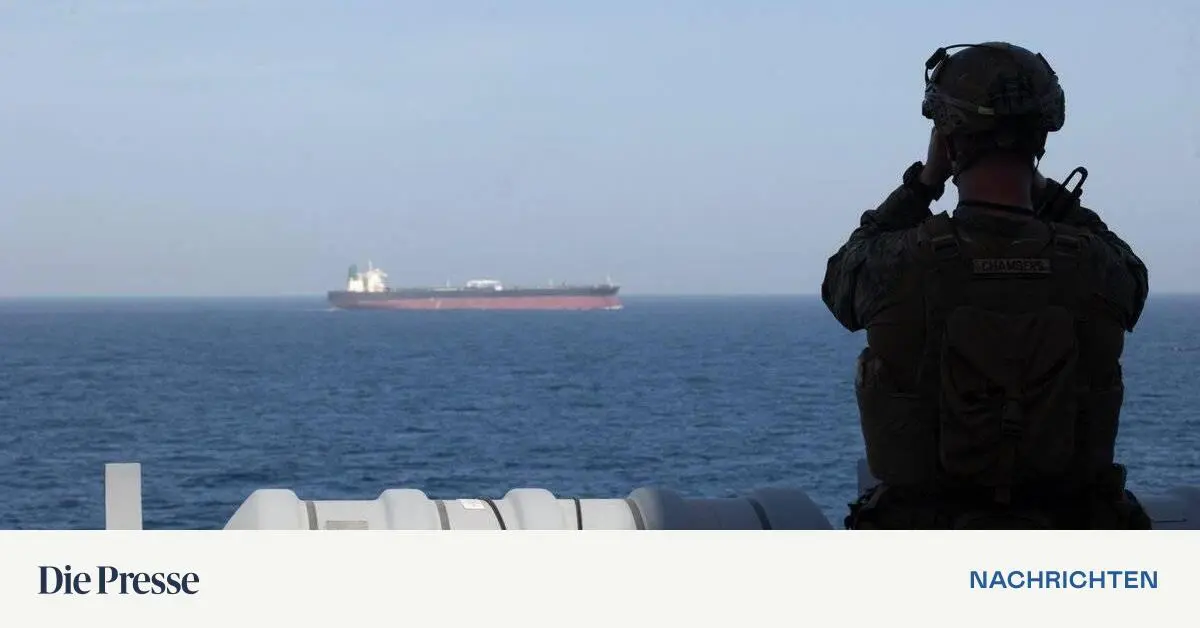
The UAE’s withdrawal is a historic blow to OPEC, which has long relied on the Gulf state’s influence and production capacity to maintain cohesion among its members. As the cartel’s third-largest oil producer—behind only Saudi Arabia and Iraq—the UAE’s departure could weaken OPEC’s ability to stabilize oil markets, particularly as the Iran war continues to destabilize the region. The conflict, which escalated in February 2026 after a joint U.S.-Israel military campaign against Iran, has led to a blockade of the Strait of Hormuz, through which roughly 20% of the world’s oil flows. The UAE, heavily dependent on oil exports, has faced severe disruptions to its economy as a result.
A Strategic Break: Why the UAE Left OPEC
The UAE’s decision to leave OPEC did not reach without warning. For years, the Gulf state had clashed with Saudi Arabia, OPEC’s de facto leader, over production quotas. The UAE had argued that its production capacity—estimated at 4.8 million barrels per day—was being artificially constrained by OPEC’s agreements, limiting its ability to invest in its energy sector and diversify its economy. The UAE has increasingly positioned itself as a global energy hub, investing in renewable energy, nuclear power, and hydrogen projects, while also expanding its oil and gas infrastructure.
The Iran conflict appears to have been the final catalyst for the UAE’s exit. Since February 2026, Iran has targeted the UAE with missile and drone attacks, retaliating against the country’s perceived support for the U.S.-Israel coalition. The attacks have not only threatened the UAE’s oil infrastructure but have also raised questions about the effectiveness of OPEC’s collective security mechanisms. In a statement, the UAE government cited “ongoing disruptions in the Persian Gulf and the Strait of Hormuz” as a key factor in its decision, though it stopped short of directly blaming Iran or other OPEC members for failing to protect its interests.
Saudi Arabia, which has traditionally mediated disputes within OPEC, has yet to publicly respond to the UAE’s withdrawal. However, analysts suggest that the move could deepen existing fractures within the cartel, particularly as other members, such as Iraq and Kuwait, grapple with their own economic and geopolitical challenges. “The UAE’s exit is a symptom of broader tensions within OPEC,” said Dr. Karen Young, a senior research scholar at Columbia University’s Center on Global Energy Policy. “The cartel has struggled to balance the competing interests of its members, and the Iran conflict has only exacerbated these divisions.”
Global Oil Markets React: What Happens Next?
The immediate impact of the UAE’s withdrawal on global oil prices has been muted, with markets largely anticipating the move. Brent crude, the international benchmark, rose by 1.2% to $92.45 per barrel following the announcement, but analysts caution that the long-term effects could be more pronounced. The UAE’s departure reduces OPEC’s collective production capacity by roughly 3.5 million barrels per day, or about 10% of the cartel’s total output. This could limit OPEC’s ability to respond to future supply shocks, particularly if the Iran conflict escalates further.
For the UAE, the exit from OPEC offers greater flexibility to pursue its own energy policies. The country has already signaled its intention to increase oil production to compensate for lost revenue from the Strait of Hormuz disruptions. In a recent interview with CNBC, Energy Minister al-Mazrouei hinted that the UAE could ramp up output to 5 million barrels per day by 2027, a move that would further strain its relationship with OPEC’s remaining members.
However, the UAE’s departure also carries risks. As a non-OPEC producer, the country will lose its seat at the table during critical negotiations over oil prices and production levels. It will also face greater exposure to market volatility, particularly if the Iran conflict continues to disrupt global supply chains. “The UAE is betting that it can go it alone,” said Helima Croft, head of global commodity strategy at RBC Capital Markets. “But in a world where energy security is increasingly fragile, that’s a risky gamble.”
The Broader Implications: OPEC’s Future in Question
The UAE’s withdrawal raises fundamental questions about OPEC’s future. Founded in 1960, the cartel has long been a dominant force in global oil markets, coordinating production levels among its members to stabilize prices. However, the organization has faced mounting challenges in recent years, including internal divisions, the rise of non-OPEC producers like the U.S. And Russia, and the global shift toward renewable energy. The Iran conflict has only added to these pressures, exposing the limitations of OPEC’s collective security framework.

For Saudi Arabia, the UAE’s exit is a particularly bitter pill. The two countries have been close allies for decades, but their relationship has frayed in recent years over issues ranging from oil policy to regional security. The UAE’s decision to leave OPEC without consulting Riyadh is seen as a snub to Saudi leadership, and it could embolden other members to pursue independent energy policies. “What we have is a wake-up call for OPEC,” said Giovanni Staunovo, a commodity analyst at UBS. “If the cartel can’t hold its members together during a crisis, its relevance will continue to decline.”
Beyond OPEC, the UAE’s exit could have ripple effects across the global energy landscape. The country is a key player in the OPEC+ alliance, which includes non-OPEC producers like Russia. While the UAE has not yet announced its plans regarding OPEC+, its withdrawal from OPEC could signal a broader shift in its energy strategy. The country has already deepened its ties with non-OPEC producers, including the U.S., where it has invested heavily in shale oil projects. These partnerships could grow even more critical as the UAE seeks to secure alternative markets for its oil.
Key Takeaways: What Readers Need to Know
- Historic Departure: The UAE’s exit from OPEC, effective May 1, 2026, marks the first major withdrawal from the cartel in nearly 60 years. The country was OPEC’s third-largest producer, behind Saudi Arabia and Iraq.
- Iran Conflict as Catalyst: The decision comes amid escalating tensions between the UAE and Iran, which has targeted the UAE with missile and drone attacks in retaliation for its support of the U.S.-Israel coalition. The Strait of Hormuz, a critical oil shipping route, has been largely blocked due to the conflict.
- Strategic Independence: The UAE cited “national interests” as the primary reason for its exit, signaling a desire to pursue its own energy policies without OPEC’s constraints. The country plans to increase oil production to offset lost revenue from the Strait of Hormuz disruptions.
- Market Impact: While the immediate effect on oil prices has been limited, the UAE’s departure reduces OPEC’s collective production capacity by roughly 10%, potentially weakening the cartel’s ability to stabilize global oil markets.
- OPEC’s Future: The UAE’s exit raises questions about OPEC’s long-term relevance, particularly as internal divisions and external pressures, such as the Iran conflict and the global shift toward renewable energy, continue to mount.
What Happens Next?
The UAE’s withdrawal from OPEC takes effect on May 1, 2026. In the coming weeks, the country is expected to outline its modern energy strategy, including plans to increase oil production and diversify its economy. Meanwhile, OPEC’s remaining members will likely hold emergency meetings to address the fallout from the UAE’s departure and discuss potential adjustments to production quotas.

For global oil markets, the next critical checkpoint will be the OPEC+ meeting scheduled for June 2026, where members will decide on production levels for the second half of the year. The UAE’s absence from the table could complicate these negotiations, particularly if other members push for higher production quotas to offset the loss of UAE output.
As the Iran conflict continues to unfold, the world will be watching closely to notice how the UAE’s exit from OPEC reshapes the global energy landscape. For now, one thing is clear: the era of OPEC’s unchallenged dominance over oil markets may be coming to an complete.
What do you consider about the UAE’s decision to leave OPEC? How do you see the Iran conflict shaping the future of global energy markets? Share your thoughts in the comments below, and don’t forget to share this article with your network.
Keep reading