
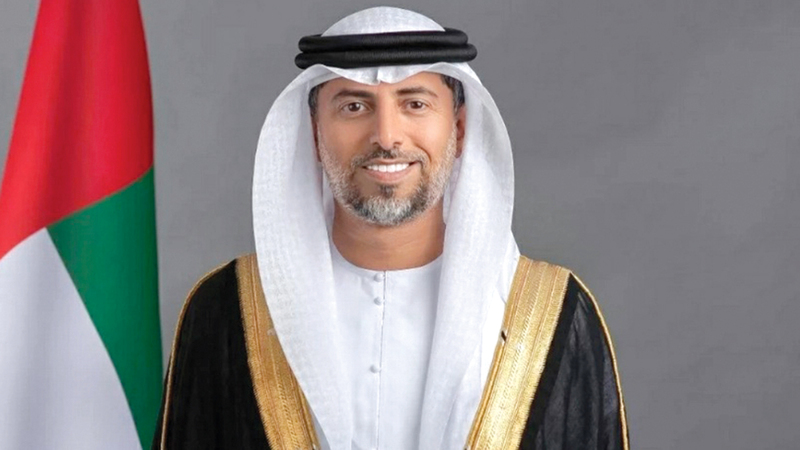
UAE Exits OPEC+ Amidst Strategic Energy Shift
Abu Dhabi – The United Arab Emirates (UAE) officially withdrew from the Organization of the Petroleum Exporting Countries (OPEC) and its wider alliance, OPEC+, on May 1, 2026, a decision described by UAE Minister of Energy and Infrastructure Suhail Al Mazrouei as a “national sovereign decision” rooted in the nation’s long-term strategic and economic vision. The move signals a potential recalibration of the UAE’s energy policy as it accelerates investment in domestic energy production and seeks greater flexibility in navigating global energy markets. This decision comes at a time when global energy dynamics are shifting and concerns about supply security are growing.
Al Mazrouei emphasized the importance of the decision in the context of current global energy challenges, stating, “We took the decision to exit OPEC and OPEC+ at a time when consumers need our attention, as we are facing an unprecedented situation where strategic reserves of raw materials are being depleted to an alarming level.” He further explained that operating outside the constraints of the group will grant the UAE greater agility in responding to market fluctuations and pursuing its own energy objectives. The UAE’s exit from OPEC+ follows a period of internal discussions and assessments of its long-term energy strategy, reflecting a desire to optimize its resource management and enhance its economic diversification efforts.
Strategic Rationale Behind the UAE’s Decision
The UAE’s departure from OPEC+ is not a sudden move but rather a culmination of evolving strategic considerations. According to Al Mazrouei, the decision is deeply intertwined with the UAE’s long-term economic and strategic outlook. The nation is actively diversifying its energy portfolio, with significant investments in renewable energy sources and a commitment to reducing its carbon footprint. Emirates Today reported on April 28, 2026, that the UAE aims to accelerate investment in local energy production, signaling a shift towards greater energy independence and a more sustainable energy future.

The UAE’s decision likewise reflects a growing recognition of the need for greater flexibility in responding to global market dynamics. As a non-bound member, the UAE will have the freedom to adjust its production levels and pursue its own energy policies without being constrained by collective agreements. This autonomy is particularly crucial in a volatile energy landscape characterized by geopolitical uncertainties and fluctuating demand. The move allows the UAE to proactively address its energy needs and capitalize on emerging opportunities in the global energy market.
Communication with OPEC+ Members
Prior to the official announcement, the UAE engaged in direct communication with key OPEC+ members to convey its decision. Al Mazrouei confirmed that messages were sent to both Saudi Arabian Energy Minister Prince Abdulaziz bin Salman and Russian Deputy Prime Minister Alexander Novak, who jointly chair the organization. CNN Arabic reported that these communications were delivered on the same day as the public announcement, ensuring transparency and maintaining diplomatic relations with its partners. This proactive approach underscores the UAE’s commitment to responsible engagement within the global energy community, even as it pursues its own strategic interests.
Al Mazrouei reiterated that the decision was a “sovereign national decision,” emphasizing the right of each nation to determine its own energy policies. This assertion highlights the UAE’s commitment to self-determination and its willingness to prioritize its national interests in the evolving global energy landscape. The UAE’s communication strategy demonstrates a commitment to maintaining constructive relationships with its OPEC+ counterparts while asserting its independence in pursuing its energy objectives.
Impact on Global Oil Markets
The UAE’s exit from OPEC+ has sparked debate among energy analysts regarding its potential impact on global oil markets. While the immediate effects remain uncertain, experts suggest that the move could introduce greater volatility and uncertainty into the market. The UAE is a significant oil producer, and its decision to operate independently could lead to fluctuations in supply and price. However, the UAE has consistently emphasized its commitment to being a responsible and reliable energy producer, suggesting that it will continue to prioritize market stability.
The UAE’s decision also comes at a time when global oil demand is facing headwinds from economic slowdowns and the increasing adoption of renewable energy sources. These factors could further complicate the dynamics of the oil market and contribute to greater price volatility. The long-term implications of the UAE’s exit from OPEC+ will depend on a complex interplay of geopolitical factors, economic conditions, and technological advancements. The UAE’s ability to navigate these challenges and maintain its position as a key energy player will be crucial in shaping the future of the global oil market.
UAE’s Focus on Domestic Energy Production and Innovation
Beyond its OPEC+ membership, the UAE is actively investing in diversifying its energy sources and enhancing its domestic energy production capabilities. The nation is pursuing ambitious renewable energy projects, including solar, wind, and nuclear power, to reduce its reliance on fossil fuels and achieve its sustainability goals. This commitment to renewable energy is aligned with the UAE’s broader vision of becoming a global leader in sustainable development.

the UAE is embracing technological innovation to optimize its energy production and distribution systems. The integration of artificial intelligence (AI) into its energy infrastructure is enhancing efficiency, improving safety, and reducing environmental impact. Tawasul News reported on the increasing apply of AI in monitoring drivers and enhancing road safety, demonstrating the UAE’s commitment to leveraging technology for improved energy efficiency and safety.
Looking Ahead
The UAE’s decision to exit OPEC+ marks a significant turning point in its energy policy and its role in the global energy landscape. The nation’s commitment to diversifying its energy sources, embracing technological innovation, and pursuing its own strategic interests will shape its future as a key energy player. The coming months will be crucial in assessing the full impact of this decision on global oil markets and the broader energy industry.
The next key development to watch will be the UAE’s implementation of its new energy policies and its engagement with international partners. Further announcements regarding investment in renewable energy projects and the development of new energy technologies are expected in the near future. The UAE’s actions will be closely monitored by energy stakeholders around the world as they seek to understand the implications of this strategic shift.
Key Takeaways:
- The UAE officially exited OPEC+ on May 1, 2026, citing a need for greater flexibility in its energy policy.
- The decision is rooted in the UAE’s long-term strategic and economic vision, including a commitment to diversifying its energy sources.
- The UAE communicated its decision directly to key OPEC+ members, including Saudi Arabia and Russia.
- The move could introduce greater volatility into global oil markets, but the UAE remains committed to being a responsible energy producer.
- The UAE is actively investing in renewable energy and technological innovation to enhance its domestic energy production capabilities.
What are your thoughts on the UAE’s decision? Share your comments below and join the discussion. Don’t forget to share this article with your network!