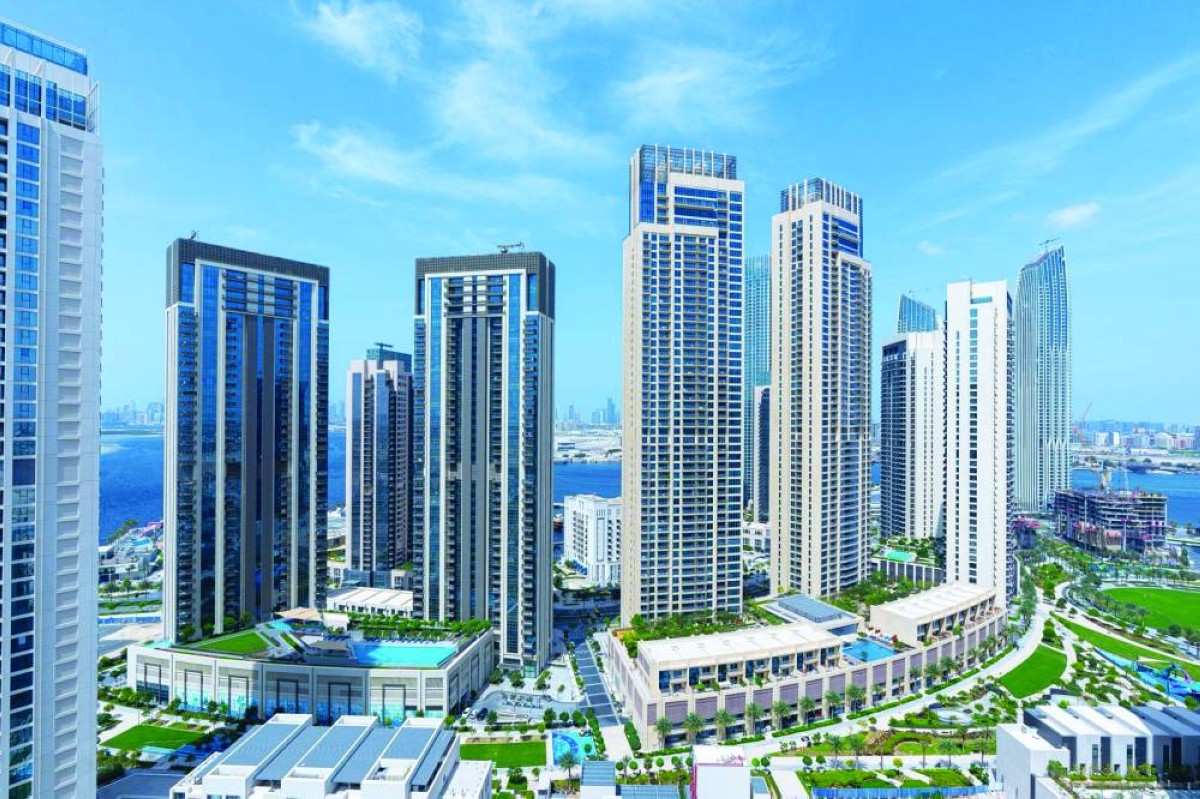
The United Arab Emirates continues to command significant attention within the global real estate landscape, maintaining a trajectory that has drawn both international investment and close scrutiny from market analysts. As of mid-2026, the sector is navigating a period of transition, marked by a historic surge in residential valuation over the preceding years and a current phase of recalibration as market stakeholders assess long-term sustainability.
For investors and observers tracking the UAE real estate market, understanding the current equilibrium is essential. The sector’s performance, which saw residential property prices climb by approximately 60% between 2022 and early 2025, has been defined by a convergence of tax-free incentives, liberalized visa policies, and a robust influx of high-net-worth individuals, according to analysis provided by Fitch Ratings.
Market Dynamics and Investor Sentiment
The resilience of the UAE market is frequently tested by broader geopolitical and economic variables. While the emirate achieved a milestone in early March 2026 with a residential land transaction valued at AED 400 million, recent data suggests a more complex environment. Analysts at Goldman Sachs noted that transaction volumes in the UAE experienced a decline of 37% year-on-year during the first 12 days of March 2026, and a 49% decrease month-on-month.
This cooling effect occurs against the backdrop of earlier forecasts. Fitch Ratings had previously projected a market correction—specifically a 15% decline in prices—spanning from July 2025 through the end of 2026. This anticipated adjustment is attributed to a combination of slower population growth, reduced tourism, and weaker overall economic activity, factors that place pressure on both commercial and residential real estate segments.
Assessing Risk in the Banking Sector
A critical component of this market analysis involves the exposure of the financial sector to real estate assets. Anton Lopatin, a Senior Director covering UAE banks at Fitch Ratings, emphasized that corporate real estate remains a significant area of concern. Based on an analysis of the loan books of all rated UAE banks, the agency has identified corporate real estate as posing the highest risk among sectors sensitive to regional conflict-related spillovers, largely due to the longer terms associated with these loan structures.
This institutional perspective highlights the importance of monitoring credit quality and liquidity within the banking system as the real estate market undergoes its forecasted correction. Investors are encouraged to look beyond headline transaction figures and consider the underlying health of debt-servicing capabilities within the corporate real estate portfolio.
Looking Ahead: Market Stability and Transparency
As the UAE real estate sector evolves, the focus for both local developers and international institutional investors remains on long-term stability. The integration of transparent regulatory frameworks and the continued refinement of property laws are expected to play pivotal roles in how the market absorbs current pressures. For those seeking to navigate this climate, keeping abreast of official updates from regulatory bodies and credit rating agencies is paramount.
Key indicators to monitor through the remainder of 2026 include:
- Transaction Volumes: Monthly fluctuations in property registrations as reported by official land departments.
- Credit Risk Assessments: Updates from major rating agencies regarding the stability of the UAE banking sector’s exposure to real estate.
- Policy Adjustments: Any shifts in visa or tax policies that may influence the continued influx of high-net-worth individuals.
While the market has undoubtedly entered a more cautious phase, the foundational elements—including the UAE’s strategic position as a global hub for business and finance—remain central to the narrative. As the year progresses, the industry will continue to provide data that clarifies the extent of the current price correction and the resilience of the sector under pressure.
As a journalist covering global economic policy, I invite readers to share their insights on these developments in the comments section below. We will continue to track the official disclosures from the UAE regulatory authorities as they become available.
- Black Social Media Turns to Memes and ‘Comfort’ as Nancy Grace Covers Nolan Wells Case
- Prins Pieter-Christiaan durfde niet aan te schuiven bij Mart Smeets: ‘Erg onder de indruk’ – RTL.nl
- SK Group Secures Massive AI Infrastructure Partnerships in San Francisco (archyworldys.com)
- Alex Eala’s Historic Wimbledon Run Sparks Tennis Surge Across Philippines (time.news)