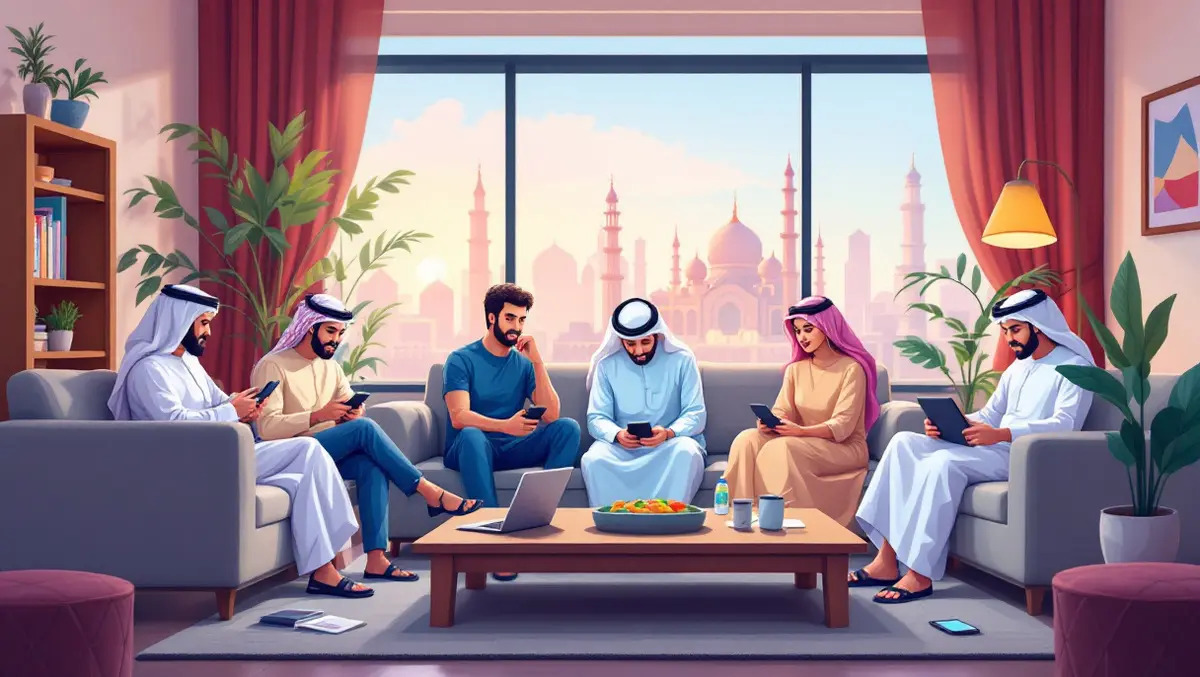
The Global Rise of Digital Dependency: A Deep Dive into Screen Time Trends & Societal Impact
(Last Updated: October 26, 2023)
The digital landscape has undergone a seismic shift in recent years, fundamentally altering how we work, socialize, and spend our leisure time. A recent extensive study by TRG Datacenters reveals a dramatic increase in global screen time, coupled with a corresponding decline in face-to-face interaction. This report provides an in-depth analysis of these trends, examining country-specific data and exploring the implications of this growing digital dependency. As experts in data center infrastructure and the backbone of digital connectivity, TRG Datacenters is uniquely positioned to offer insights into this evolving phenomenon.
The Headline: A 42% Surge in Screen Time Since 2020
The data is stark. As 2020, worldwide screen time has surged by 42%. This isn’t simply a marginal increase; it represents a important behavioral shift. Concurrently, in-person social interactions have plummeted by nearly a third.This isn’t just about how we connect, but the quantity of genuine, physical connection. This trend underscores a growing reliance on digital platforms for communication and entertainment, a reliance that demands careful consideration.
Global Hotspots of Digital Engagement: A Country-by-Country Breakdown
The study identifies key countries leading the charge in digital dependency, revealing nuanced patterns of platform preference and usage. Here’s a detailed look:
* Brazil: Topping the charts with an average of 9 hours and 9 minutes of daily screen time, Brazil demonstrates the highest level of digital engagement globally. A significant portion of this time – 3 hours and 32 minutes – is dedicated to social media, with Instagram dominating the landscape, actively used by approximately two-thirds of the population.
* United Arab emirates (UAE): Residents of the UAE spend an extraordinary 7 hours and 59 minutes daily on screens, with nearly three hours devoted to social media. Interestingly, TikTok is the preferred platform, boasting over 94,300 users per 100,000 inhabitants, surpassing Instagram in adoption rates. The UAE’s near-universal internet access undoubtedly contributes to this high level of engagement.
* Saudi Arabia: Saudi Arabia ranks third, with an average of 7 hours and 6 minutes of daily screen time, including around three hours on social media. TikTok reigns supreme here as well, with adoption rates more than double those of Instagram.
* Turkey: Turkish residents average 7 hours and 13 minutes on digital devices daily. Similar to Brazil, Instagram enjoys widespread popularity, with nearly three hours dedicated to social media use.
* Singapore: Singaporeans spend 6 hours and 33 minutes a day on their devices, with a notable preference for streaming platforms. Approximately one in six Singaporeans subscribes to Netflix, reflecting a strong appetite for on-demand video content. Like the UAE, Singapore boasts universal internet access.
* Portugal: Averaging 7 hours and 33 minutes of daily screen time, Portugal leans heavily towards Instagram, with close to two-thirds of the population actively using the platform and dedicating around 2.3 hours daily to social media.
* United States: The US registers an average of 6 hours and 40 minutes of daily screen time, with Instagram and TikTok enjoying similar levels of popularity.Social media accounts for over two hours of daily activity for Americans.
* Australia: Australians spend approximately 6 hours a day on digital devices, with a significant 24.3% subscribing to Netflix and over half regularly using Instagram.
* Norway & Sweden: Rounding out the top ten,Norway (5 hours and 37 minutes) and Sweden (6 hours) demonstrate strong tech dependency,particularly with Instagram and streaming services. These Scandinavian countries showcase a high level of digital literacy and infrastructure.
The Evolving Digital Landscape: beyond Just Time Spent
This isn’t simply about the amount of time spent online; it’s about the nature of that engagement.As TRG datacenters’ spokesperson notes, “Screen time continues to climb, with social platforms now taking up more hours than television ever did. Unlike TV, which had fixed schedules, social feeds never run out. That creates a cycle where people consume more than they planned and find it harder to disconnect.”
This ”infinite scroll” dynamic is a key differentiator from customary media. The constant stream of content fuels engagement and creates a powerful pull, making it challenging to establish healthy boundaries. Though, this increased engagement has also spurred innovation and created entirely new industries.
**The Challenge of Balance: Harnessing the Power of Digital Without Losing Ourselves
Worth a look