
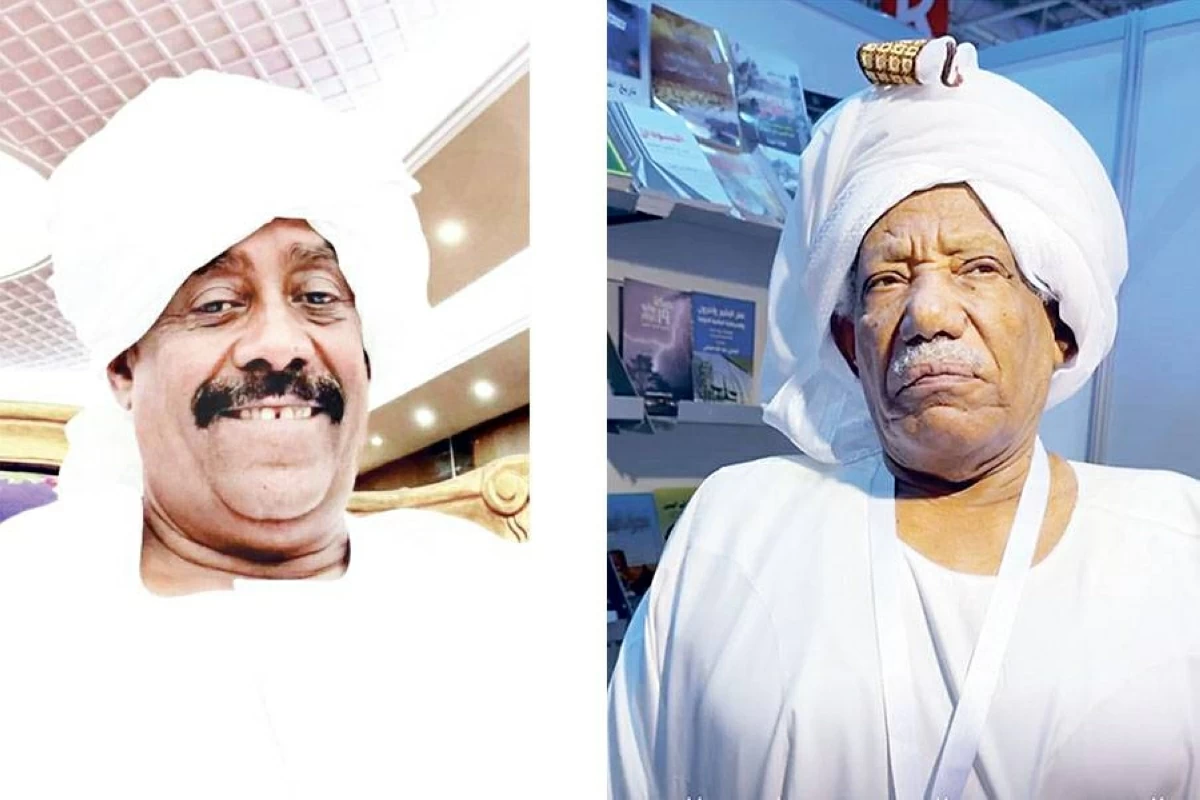
The United Arab Emirates has intensified its legal crackdown on an alleged weapons smuggling network operating within its borders, referring a significant number of Sudanese nationals and corporate entities to the State Security Court. The proceedings center on accusations that the network exploited the UAE’s humanitarian openness to facilitate the illicit transfer of military hardware and ammunition to the Sudanese Armed Forces (SAF) and the government based in Port Sudan.
This judicial escalation comes amid a broader regional effort to curb the flow of arms into Sudan, where a devastating civil war continues to displace millions and trigger a catastrophic humanitarian crisis. The case highlights the complex intersection of diplomatic asylum, humanitarian corridors, and the clandestine movement of military assets, with UAE authorities alleging that the network operated under the guise of legitimate business and humanitarian activities.
At the heart of the prosecution is the allegation that the defendants established a sophisticated logistics chain to bypass international sanctions and arms embargoes. According to official reports from the UAE, the operation involved the movement of millions of rounds of ammunition and the payment of substantial commissions to facilitate these illegal transfers. The legal proceedings are now focusing on the roles of high-profile Sudanese figures and the companies that provided the necessary corporate cover for these transactions.
The case has sparked a polarized reaction among the Sudanese diaspora and political observers. While some view the crackdown as a necessary step to uphold international law and prevent the further fueling of the conflict, others notice it as a reflection of the shifting diplomatic tides between the UAE and the warring factions in Sudan. The prosecution’s focus on the Port Sudan authority
underscores the strategic importance of the city as the current administrative hub for the Sudanese government.
The Scope of the Weapons Smuggling Network
The UAE State Security Court is currently reviewing a case involving 13 defendants and six companies accused of orchestrating the illegal procurement and transport of military equipment. Among the most prominent figures referred for trial is Salah Gosh, a former head of Sudan’s National Intelligence and Security Service (NISS), who is alleged to have played a pivotal role in the coordination of the smuggling operations. According to reports from Sudan Tribune, Gosh is one of 19 Sudanese nationals facing charges related to the illegal transfer of arms.

The scale of the alleged operation is substantial. UAE authorities have detailed a financial network where commissions totaling 13 million dollars were reportedly exchanged to secure the movement of military gear. This financial trail is coupled with the seizure of massive quantities of munitions, including an estimated 5 million rounds of ammunition intended for the conflict zones in Sudan. The prosecution argues that these assets were moved through a series of front companies designed to mask the origin and destination of the cargo.
The legal framework for these charges rests on the UAE’s commitment to the UN Security Council arms embargo on Sudan. By targeting the corporate entities involved, the UAE is attempting to dismantle the logistical infrastructure that allows weapons to enter the country. The six companies under indictment are accused of providing the legal and financial veneer necessary to move military hardware across borders without triggering red flags in international shipping and customs databases.
Exploiting Humanitarianism and the Diaspora
A central theme in the UAE’s prosecution is the claim that the smuggling ring deliberately misused the UAE’s reputation for humanitarian generosity. The UAE has long served as a sanctuary for Sudanese refugees and a hub for aid operations directed toward the Horn of Africa. Prosecutors allege that the defendants leveraged this environment, using humanitarian visas and charitable organizations as cover to move personnel and equipment related to the arms trade.
This exploitation has led to a sense of betrayal among many Sudanese residents in the UAE. Some community members have expressed that the actions of a few individuals have cast a shadow over the entire diaspora, potentially complicating the status of legitimate refugees and aid workers. The narrative emerging from the trials suggests that the smuggling network did not just violate UAE law, but actively harmed the Sudanese people by prolonging a war that has turned the country into a wasteland of displaced populations and destroyed infrastructure.
The socio-political impact of these trials is significant. By naming high-ranking former intelligence officials like Salah Gosh, the UAE is signaling that no individual, regardless of their former status in the Sudanese state, is immune to prosecution if they engage in activities that threaten regional security or violate international embargoes. This approach is seen by some analysts as a move to distance the UAE from accusations of fueling the conflict, which have been leveled against it by various international monitoring groups in the past.
Impact on the Port Sudan Administration
The focus on the Port Sudan authority
is a critical component of the case. As the de facto capital for the Sudanese Armed Forces (SAF) and the government of Abdel Fattah al-Burhan, Port Sudan has become the primary gateway for all legal and illegal imports into the country. The UAE’s investigation suggests that the smuggling network had direct links to the administrative and military structures operating out of this coastal city.
The prosecution’s evidence reportedly includes communications and financial records linking the 13 defendants to officials and entities within the Port Sudan administration. This suggests that the smuggling was not merely a rogue operation by privateers, but a coordinated effort to sustain the military capabilities of the SAF. The implications are profound, as it suggests that the very institutions tasked with governing the country are implicated in the violation of international law to maintain their grip on power.
For the Sudanese people, the revelation that millions of dollars in commissions were being paid to “death cells” while the general population faced famine and displacement is a source of intense anger. The contrast between the high-level financial transactions of the smuggling ring and the desperate needs of the civilians in Khartoum and Darfur highlights the systemic corruption that has plagued the Sudanese military and intelligence apparatus for decades.
The Legal and Diplomatic Fallout
The referral of these cases to the State Security Court indicates that the UAE views this as a matter of national security rather than a simple criminal offense. The State Security Court handles cases that threaten the stability of the state or involve espionage and terrorism, suggesting that the UAE considers the smuggling network a threat to its own internal security and its international standing.

Diplomatically, the UAE finds itself in a delicate position. While it is prosecuting these individuals, it must balance this with its broader regional goals and its relationship with the various stakeholders in the Sudanese peace process. But, by taking a hard line against the “Burhan clique”—as some reports have termed the group associated with the current military leadership—the UAE may be attempting to reposition itself as a neutral arbiter or a supporter of a more legitimate, civilian-led transition.
The trial of Salah Gosh and his associates is expected to uncover further details about the networks that sustain the Sudanese conflict. If the court finds the defendants guilty, it could lead to severe penalties, including long-term imprisonment and the seizure of all assets linked to the six companies involved. More importantly, it may serve as a deterrent to other regional actors who use the UAE’s financial and logistical hubs to bypass international sanctions.
Key Takeaways from the UAE Crackdown
- High-Profile Targets: The prosecution of former intelligence chief Salah Gosh signals a shift toward targeting the upper echelons of the Sudanese security apparatus.
- Financial Scale: The alleged network involved commissions of 13 million dollars and the movement of 5 million rounds of ammunition.
- Corporate Complicity: Six companies are being tried for providing the logistical and legal cover necessary for arms smuggling.
- Strategic Focus: The investigation specifically targets the supply lines feeding the military administration in Port Sudan.
- Humanitarian Misuse: Authorities claim the network exploited the UAE’s humanitarian openness to mask illegal military activities.
What Happens Next?
The legal proceedings are currently in the evidentiary phase, with the State Security Court reviewing the financial records and communication logs provided by UAE intelligence. The next confirmed checkpoint will be the presentation of the final defense arguments from the 13 defendants and the representatives of the six implicated companies. A verdict is expected following the conclusion of these hearings, which will determine whether the UAE can successfully dismantle this specific arm of the Sudanese military supply chain.
As the trial progresses, the international community will be watching to see if the UAE’s actions lead to a broader reduction in the flow of weapons into Sudan. For the millions of Sudanese caught in the crossfire, the hope is that such legal actions are not merely symbolic but represent a genuine effort to end the cycle of violence by cutting off the means of war.
We invite our readers to share their perspectives on this developing story in the comments below. How do you view the role of regional hubs in international conflicts? Share this article to keep the global community informed.