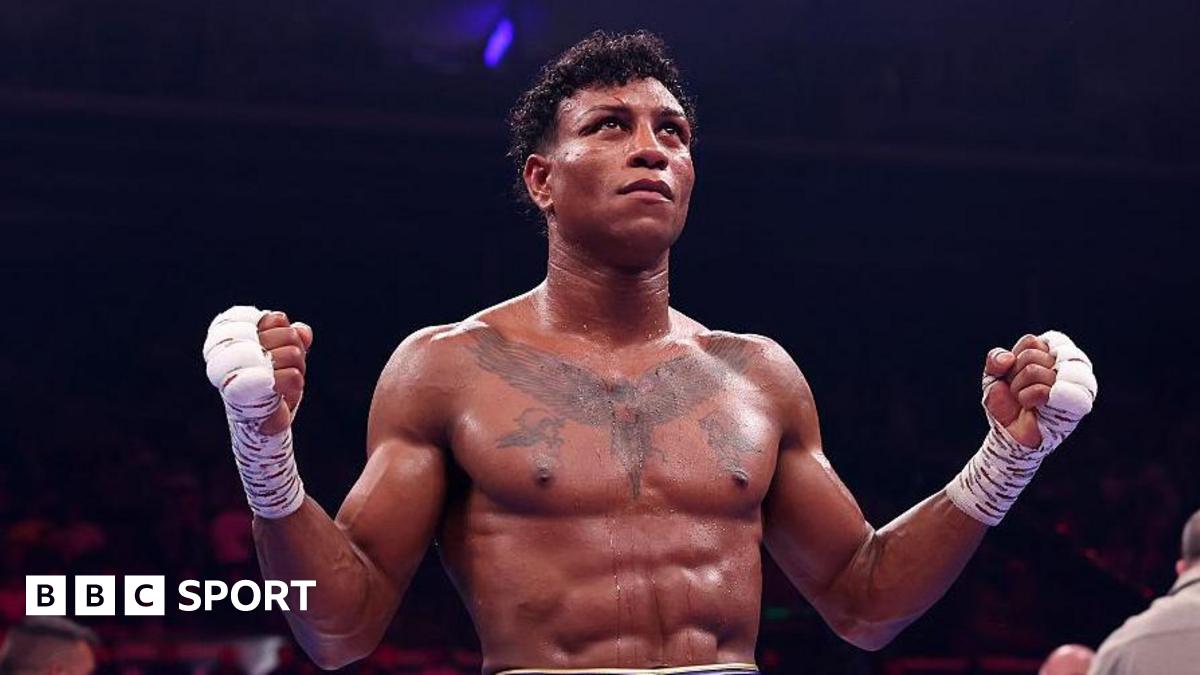
Bilal Fawaz: The English Boxing Champion Fighting for Recognition Beyond the Ring
Nottingham’s Motorpoint Arena will host a compelling clash this Saturday as Bilal Fawaz, the current English light-middleweight champion, challenges Ishmael Davis for the British and Commonwealth titles. But Fawaz’s story extends far beyond the squared circle, a narrative woven with resilience, dedication, and a persistent struggle for basic recognition. While preparing for one of the most significant fights of his career, the London-based boxer continues to navigate life as an Uber driver, a personal trainer, and a fitness instructor – a testament to the financial realities faced by many athletes striving for success. More profoundly, Fawaz remains in a legal limbo, an English champion without a British passport, a situation that has defined much of his adult life.
The juxtaposition is striking: a national champion, celebrated for his athletic prowess, simultaneously earning a living through the gig economy. Fawaz, 37, embodies a modern paradox, a skilled professional forced to juggle multiple jobs to sustain himself and his family. He speaks with a pragmatic acceptance of his circumstances, outlining a typical post-fight Sunday: driving for Uber to earn £70-£80 after the kids are asleep, followed by a return to personal training sessions. This isn’t a romanticized tale of the “working-class hero,” as often portrayed in boxing marketing; it’s a stark illustration of the economic pressures faced by athletes who haven’t reached the pinnacle of financial security. His story, first highlighted by BBC Sport in 2018 and revisited in 2022, underscores a broader issue of accessibility and support within professional sports.
A Childhood Marked by Adversity
Bilal Kelvin Fawaz was born on April 3, 1988, in Lagos, Nigeria, to a mother who immigrated from Benin and a father of Lebanese origin. According to his biography on Wikipedia, neither parent held Nigerian citizenship. Fawaz’s early life was marred by instability and abuse. His mother was a victim of abuse, and his father eventually took him away, placing him in the care of a relative in Lagos. When he was 14, this relative brought him to London, ostensibly to reunite him with his father. Tragically, his mother had been murdered in religious riots prior to his relocation.
Upon arriving in the UK in 2002, Fawaz was placed with a foster family who he alleges subjected him to abuse and domestic servitude. Escaping this situation at age 15, he entered the British care system, moving through group foster homes and eventually a halfway house for older teenagers. Both his parents were deceased, leaving him navigating a complex and often unforgiving system. He was granted temporary leave to remain in the UK until he turned 18, after which he has lived in the country without formal immigration status. This precarious legal standing continues to define his life, despite his achievements in the boxing ring.
From Acting School to the Boxing Arena
Fawaz’s path to boxing wasn’t conventional. He initially pursued acting, honing a theatrical flair that remains evident in his articulate and thoughtful demeanor. He discovered boxing through a sports day event at Brunel University in Uxbridge, and quickly found a passion for the discipline. He joined the All Stars gym, a well-respected local club known for its work with troubled young men. Tapology.com details his professional boxing record as 10 wins, 1 loss, and 1 draw as of February 21, 2026.
His dedication to the sport led to success as an amateur, becoming the Amateur Boxing Association of England light-middleweight champion and representing England internationally six times. However, his lack of formal citizenship continued to cast a shadow over his career. Despite his achievements, he has faced bureaucratic hurdles and the constant uncertainty of his legal status. He secured the English super-welterweight title in October 2025, a significant milestone, but one that hasn’t resolved his underlying immigration issues.
The Fight for Citizenship and the Upcoming Bout
Fawaz’s story has garnered attention, highlighting the complexities faced by individuals living in legal limbo despite contributing to British society. His case raises questions about the fairness and accessibility of the citizenship process, particularly for those who arrived in the UK as children and have built their lives here. The BBC’s repeated coverage of his story underscores the human element often lost in immigration debates.
This Saturday’s fight against Ishmael Davis represents more than just a chance to win another title. It’s a platform to raise awareness about his situation and a demonstration of his unwavering determination. Davis, also a professional boxer, presents a formidable challenge. According to Tapology, Fawaz is currently listed as a slight underdog with odds of +185. The bout, scheduled for 12 rounds at the Motorpoint Arena in Nottingham, is part of the Wood vs. Warrington II event. Fawaz weighed in at 153.9 lbs (69.8 kgs) for the fight.
Beyond the Ring: A Life of Multiple Roles
The reality of balancing a professional boxing career with multiple jobs is demanding. Fawaz’s schedule is relentless, seamlessly transitioning between training, personal training clients, Uber driving, and family responsibilities. He acknowledges the grind, but approaches it with a quiet resilience. His ability to compartmentalize and maintain focus is a testament to his mental fortitude. He doesn’t dwell on the unfairness of his situation, but rather channels his energy into achieving his goals, both inside and outside the ring.
His story resonates with a broader audience, particularly those who have faced adversity and overcome obstacles. Fawaz’s determination to succeed, despite the challenges he has encountered, is an inspiring example of the human spirit. He represents a segment of the population often overlooked – individuals who contribute to society but lack the legal recognition and security they deserve.
Key Takeaways
- Bilal Fawaz is the current English light-middleweight champion, preparing to fight Ishmael Davis for the British and Commonwealth titles on February 21, 2026.
- Despite his success in boxing, Fawaz remains stateless, having arrived in the UK as a teenager and living without formal immigration status.
- He supports himself and his family by working multiple jobs, including as an Uber driver and personal trainer.
- Fawaz’s story highlights the challenges faced by athletes and individuals navigating complex immigration systems.
- His fight is not only for a championship title but also for recognition and a secure future.
The outcome of Saturday’s fight remains to be seen, but regardless of the result, Bilal Fawaz’s story is a powerful reminder of the human cost of bureaucratic hurdles and the enduring strength of the human spirit. His next step, beyond the ring, will undoubtedly be to continue advocating for a resolution to his citizenship status. We encourage readers to share this story and engage in a constructive conversation about the challenges faced by individuals like Fawaz.