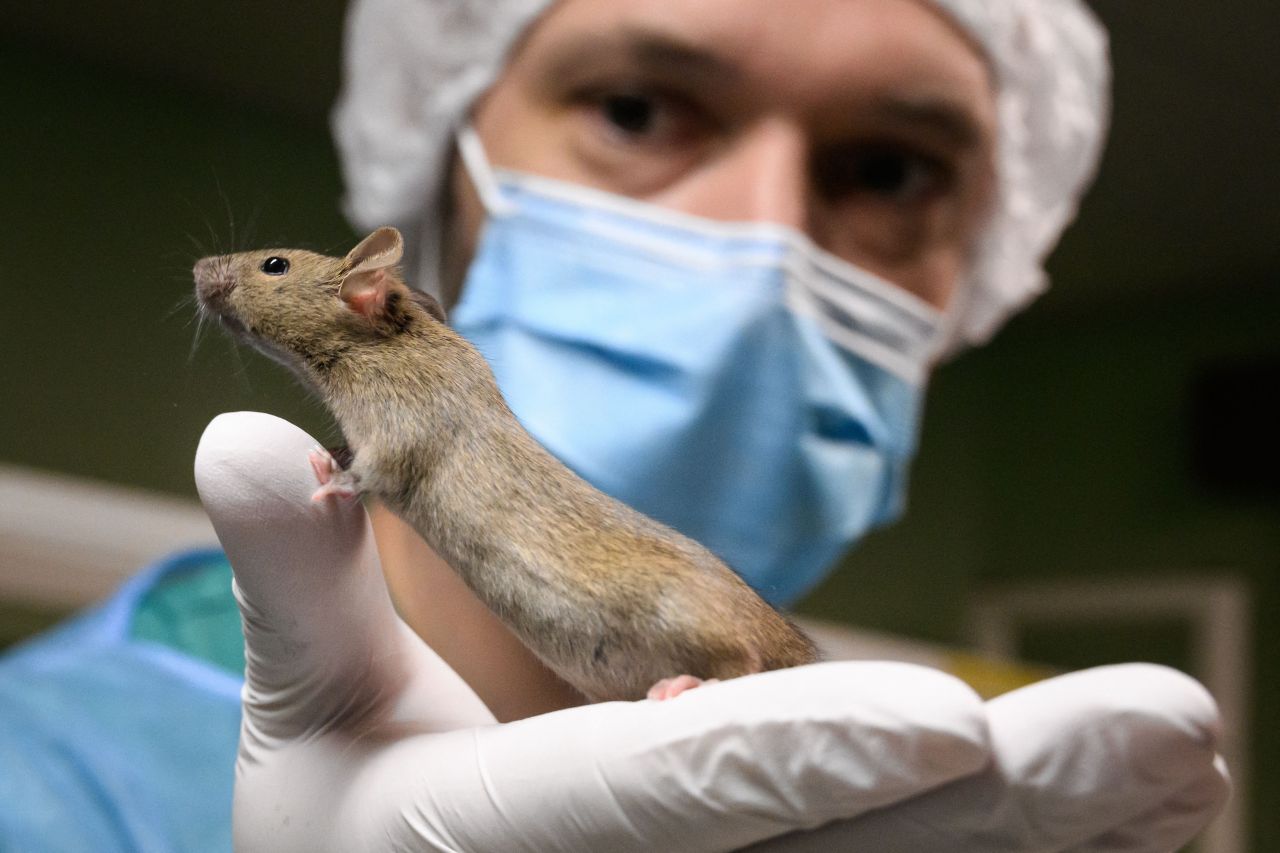
Researchers at Newsnationnow have successfully reversed functional autism traits and brain dysfunction in adult mice using a single dose of the prescription immunosuppressant drug rapamycin, according to a study published in Labroots.
UCLA Health Study Reverses Adult Mouse Autism Symptoms
For many years, the scientific community viewed the physical architecture and structural brain changes associated with autism as permanently locked in by adulthood. However, the new preclinical findings challenge this concept by demonstrating that core behavioral and sensory symptoms can be improved by balancing active brain circuits rather than altering underlying physical anatomy.
Modeling Inflammation and Observing Adult Traits
To investigate how early-life factors influence brain development, scientists exposed pregnant mice to a mild inflammatory stimulus. The dose was kept low so that the mother mice did not become overly sick.
As the offspring reached adulthood, they developed persistent inflammation in both the brain and the rest of the body. According to Technology Networks, the adult mice displayed traits mirroring human autism data, including:
- Mild brain overgrowth and excessive signaling via the mTOR pathway
- Poorly organized communication across functional brain networks
- Social difficulties and repetitive behaviors
- Intense oversensitivity to sensory experiences, such as touch or sound
- Altered brain volumes and heightened susceptibility to seizures
Rapid Improvement Within Two Hours
Once the mice reached adulthood, researchers administered a single dose of rapamycin. Within about two hours, the treatment produced improvements across nearly every measurement examined.
The drug caused unusually active neurons to calm down, reduced vulnerability to seizures, and prompted brain regions that had not been communicating properly to show more typical patterns. Additionally, repetitive behaviors, sensory sensitivity, and exaggerated responses to sensory input eased significantly.
Because physical remodeling of brain synapses generally takes much longer, the scientists concluded that rapamycin altered brain function and electrical activity rather than rebuilding underlying physical structures. Gene activity analysis showed that the drug reversed abnormal patterns of gene expression involving autism, epilepsy, and ion channel function, with the strongest effects observed in excitatory neurons.
Implications and Limitations for Future Therapies
The rapid response indicates that the adult brain may be more adaptable than previously assumed. The level of functional normalization achieved over this short time suggests new mechanisms by which possible treatments may act,
said senior author Dr. Harley Kornblum, director of the UCLA Intellectual and Developmental Disabilities Research Center in the Semel Institute for Neuroscience and Human Behavior, in a press release reported by Sciencedaily. It suggests the adult brain may be more adaptable than we assumed, even when the underlying structural changes from early development are still there.
First author Dr. Janel Le Belle, an associate professor in the UCLA Department of Neurosurgery, noted that the findings reframe how autism-associated symptoms might be addressed without needing to correct underlying structural differences.

Despite the promising results, researchers emphasized that rapamycin itself is not suitable as an immediate treatment for humans. The benefits of a single dose were only temporary, with behavioral abnormalities returning fully after 72 hours. Furthermore, administering repeated daily doses over several weeks induced a tolerance effect that caused the drug to lose its efficacy, and the substance carries high potential for toxicity and immune suppression.
Co-senior author Dr. Neil Harris, a professor in the UCLA Department of Neurosurgery, explained that the findings serve as a jumping-off point rather than an endorsement of the drug itself. This points toward new therapeutic targets like sensory circuit neuromodulation or balancing neuronal inhibition and excitation, rather than toward rapamycin itself as a treatment,
he stated.
Keep reading
- What is Summer Depression? Symptoms, Causes, and How to Cope
- Dreams and Sleep Disorders: Understanding the Connection and How to Keep a Dream Journal
- Havenwood Heritage Heights Concord NH: Fitness Centers, Outdoor Activities, and Health Services for Seniors (news-usa.today)
- PCOS to PMOS: Why the Name Change Matters for Women’s Health (archynewsy.com)