Teh Allure and Agony of the Immediate Rematch in MMA
The quest to reclaim a lost title is a powerful force in mixed martial arts. It’s a narrative steeped in pride, fueled by the sting of defeat, and often driven by the desire to instantly correct a perceived wrong. But history reveals a harsh truth: immediate championship rematches rarely deliver the desired redemption.
The Siren Song of a Swift Return
Why do fighters,and the organizations that promote them,consistently pursue these immediate returns to the title fight? Several factors are at play. Contendership in MMA is fleeting, and an opportunity to regain a belt is often seen as a now-or-never proposition.Moreover, the emotional weight of losing a championship can be immense, prompting a swift desire to restore order.
Consider Valentina Shevchenko, who successfully avenged her title loss to Alexa Grasso in a rematch. She returned to the pinnacle of her division, proving that a quick turnaround can work. However, her success is the exception, not the rule.
A History of Disappointment
Regrettably, for many former champions, the immediate rematch proves to be a bridge too far. Joanna Jędrzejczyk‘s experience serves as a stark example. Once an undefeated strawweight champion, she was decisively defeated by Rose Namajunas in 2017.
Namajunas didn’t just win; she delivered a stunning upset, punctuated by a now-iconic commentary moment. The rematch five months later offered Jędrzejczyk a chance to right the ship, but Namajunas again emerged victorious, securing a clear decision.
This pattern isn’t unique. Many dethroned champions struggle to reconcile themselves with the loss of their status. Jędrzejczyk’s post-fight comments – dismissing her rivals as jealous and demanding they “bow down” – illustrate the wounded pride that often accompanies such defeats.
Why Redemption Proves Elusive
What makes these immediate rematches so tough to win?
* The initial loss reveals vulnerabilities. A champion’s weaknesses are exposed, giving the new titleholder time to refine their strategy.
* The psychological impact is significant. Being dethroned is disorienting, and the pressure of an immediate rematch can be overwhelming.
* The champion has momentum. The new champion is riding a wave of confidence and is motivated to defend their hard-earned title.
* Adjustments are key. The champion has had time to study the first fight and make necessary adjustments.
The Case of Pereira and Ankalaev
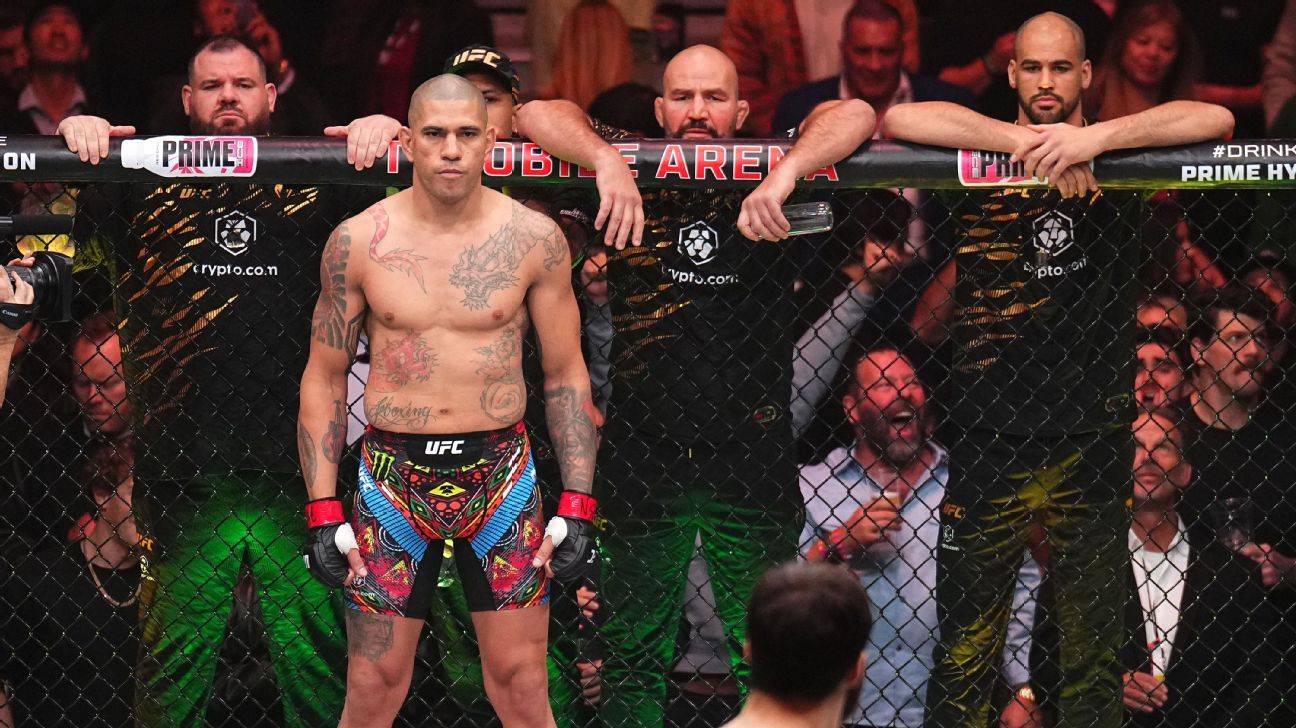
This dynamic is especially relevant heading into the upcoming bout between Jiri Procházka and Alex Pereira.While Ankalaev holds the title, Pereira carries a different kind of pressure.
His previous fight against Ankalaev was a closely contested affair, lacking the explosive finishes that define his career. He needs to reassert his dominance and remind everyone what makes him a dangerous opponent.
For Pereira, this rematch isn’t just about the belt; it’s about reclaiming his aura.Can he deliver a performance that embodies his signature style? Can he overcome both the new champion and the statistical odds – a 4-11-1 record in rematch scenarios doesn’t inspire confidence?
Ultimately, the immediate rematch remains a compelling, if often heartbreaking, part of the MMA landscape. It speaks to the competitive spirit of fighters and the enduring allure of a second chance. But as history demonstrates, regaining a lost title is rarely as simple as running it back.
Keep reading