More Than 200 People Rescued from IS-Linked ADF Camp in Eastern DR Congo
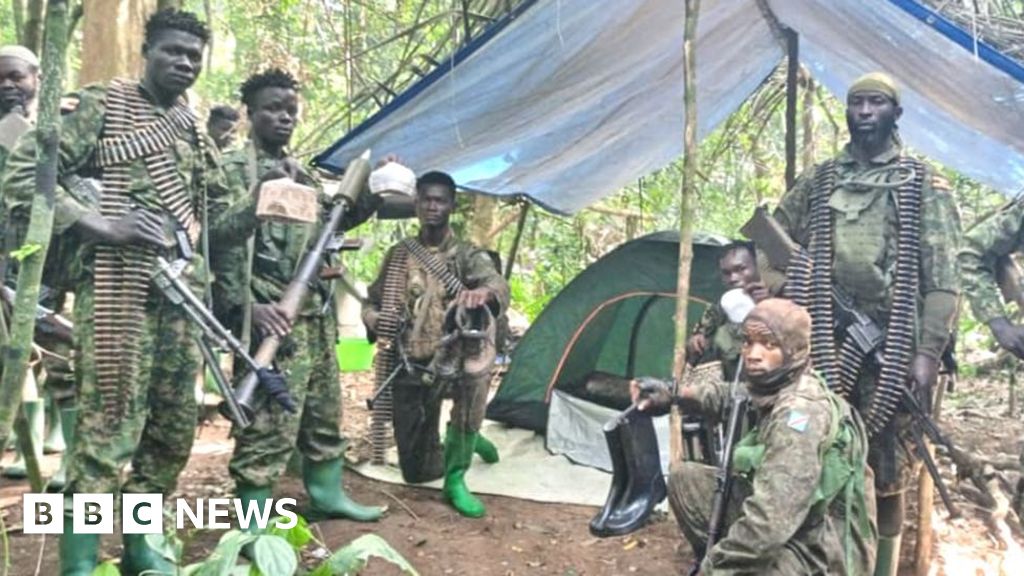
Over 200 individuals have been freed from a camp operated by the Allied Democratic Forces (ADF), an armed group with documented ties to the Islamic State, in the eastern Democratic Republic of Congo, according to Ugandan military officials. The operation, conducted jointly by Ugandan and Congolese forces, targeted ADF strongholds in the Beni region of North Kivu province, where the group has maintained a presence for over a decade. Among those rescued was a 14-year-old girl, the youngest identified in the group’s custody, Ugandan army spokesperson Lieutenant Colonel Deo Akiiki confirmed in a statement released on May 28, 2024.
The rescue marks one of the largest single operations against the ADF in recent years and underscores ongoing regional efforts to dismantle networks linked to extremist violence in the Great Lakes region. The ADF, originally a Ugandan rebel group, pledged allegiance to the Islamic State in 2019 and has since been designated a terrorist organization by both the United States and the United Nations. Ugandan authorities say the rescued civilians were being held in makeshift camps deep within the dense forests of the Rutshuru territory, where they were subjected to forced labor, indoctrination, and in some cases, recruitment as child soldiers.
According to the Ugandan People’s Defence Force (UPDF), the operation involved ground troops supported by aerial surveillance and intelligence sharing with the Forces Armées de la République Démocratique du Congo (FARDC). Over three days, forces cleared multiple ADF encampments near the town of Kamango, approximately 60 kilometers northeast of Beni city. While exact numbers vary slightly between reports, UPDF officials stated that 217 people were rescued, including 89 children and 62 women. The youngest among them, a girl from Kasese district in western Uganda, was reportedly abducted in late 2023 during a cross-border raid.
“We are relieved to have brought these civilians back to safety,” Lt. Col. Akiiki said in a televised briefing. “They are now receiving medical care, psychological support, and reunification assistance through coordinated efforts with Ugandan social services and UNICEF.” He added that preliminary screenings indicate several of the rescued individuals show signs of malnutrition and trauma, though none required immediate life-saving intervention.
The ADF has long exploited the instability in eastern DR Congo, where over 120 armed groups operate amid weak governance, mineral wealth competition, and communal tensions. The group’s activities have displaced millions and contributed to one of the world’s most protracted humanitarian crises. In 2023 alone, the ADF was responsible for over 800 civilian deaths in North Kivu and Ituri provinces, according to the Kivu Security Tracker, a project led by the Congo Research Group at Novel York University.
Regional analysts note that while military operations have disrupted ADF logistics, the group’s ability to regenerate through recruitment and cross-border smuggling remains a persistent challenge. “Kinetic action alone won’t end this threat,” said Jason Stearns, director of the Congo Research Group. “What’s needed is a comprehensive strategy that includes community engagement, disarmament programs, and addressing the root causes of conflict—poverty, exclusion, and lack of state presence.”
The Ugandan government has maintained a military presence in eastern DR Congo since 2021 under a bilateral agreement with Kinshasa, allowing UPDF forces to pursue ADF elements across the border. This latest operation is part of ongoing joint efforts under the framework of the Nairobi-led peace process, which aims to coordinate security initiatives among East African Community member states.
UNICEF representatives in Goma confirmed they are assisting with the reintegration of rescued children, many of whom were separated from families for months or even years. “Our priority is to ensure these children are safe, heard, and given access to education and psychosocial care,” said Dr. Tajudeen Oyewale, UNICEF’s acting representative in DR Congo. “We urge all parties to protect children from recruitment and utilize in armed conflict, which constitutes a grave violation under international law.”
As of early June 2024, the rescued individuals are undergoing screening at transit centers in Kasese and Bundibugyo districts in Uganda. Those identified as Ugandan nationals are being reunited with families, while foreign nationals—primarily from DR Congo—are being processed for return through official channels with the support of the International Organization for Migration (IOM). No arrests of ADF commanders were reported during the operation, though UPDF officials said several suspects were detained for questioning.
The next official update on the situation is expected from the Ugandan Ministry of Defence during its weekly security briefing scheduled for June 12, 2024. Until then, humanitarian agencies continue to monitor the situation closely, particularly regarding the potential for retaliatory attacks by ADF remnants in border communities.
For ongoing developments, readers can follow verified updates from the Ugandan People’s Defence Force’s official website and the UN Office for the Coordination of Humanitarian Affairs (OCHA) DR Congo page.
We invite our global audience to share thoughts and reflections on this story in the comments below. Your insights help foster informed dialogue on critical global issues. Please share this article to help spread awareness of the ongoing humanitarian and security challenges in central Africa.
Keep reading