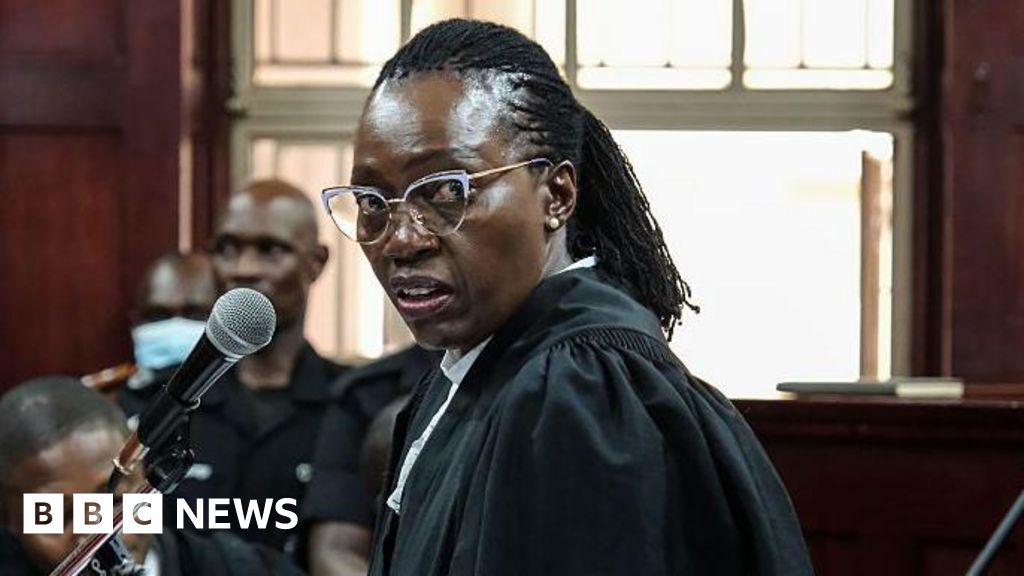
Former Kenyan justice minister Martha Karua has been blocked from entering Uganda, where she was scheduled to assist in the defense of detained opposition leader Kizza Besigye, who faces treason charges. The Ugandan Law Society confirmed the denial on Friday, citing “security concerns” without elaborating. Karua, a prominent human rights lawyer, had been preparing to join Besigye’s legal team amid growing international scrutiny of the trial, which began in Kampala earlier this month.
Ugandan authorities have not publicly commented on the decision, but legal experts say the move could undermine Besigye’s right to a fair defense under international law. The Law Society’s statement, obtained by Reuters, marks the latest escalation in a case that has drawn condemnation from human rights organizations, including Amnesty International and the African Union.
Besigye, a veteran opposition figure and former army officer, has been held since January 2024 on charges including treason, conspiracy to commit murder, and inciting violence. His trial, which began on June 3, has been widely criticized as politically motivated, with observers noting that the prosecution relies heavily on testimony from state witnesses with questionable credibility.
Why Was Karua Blocked?
The Ugandan Law Society’s statement did not specify the reasons for Karua’s denial of entry, but sources close to the case suggest it may be linked to her outspoken criticism of Uganda’s government. In recent months, Karua has publicly condemned President Yoweri Museveni’s administration for suppressing political opposition and restricting civil liberties. Her presence in Uganda could have emboldened Besigye’s defense team, which has already faced obstacles, including the detention of several legal representatives.
According to BBC Africa, Ugandan immigration officials stopped Karua at Entebbe International Airport on Friday evening, hours before her scheduled court appearance. She was reportedly turned back without explanation, and her legal team has not received any formal documentation justifying the decision.
How Does This Affect Besigye’s Trial?
Besigye’s legal team is now scrambling to find alternative representation, as Karua’s expertise was seen as critical in challenging the prosecution’s case. The treason charges carry a maximum penalty of life imprisonment, and Besigye’s defense has argued that the evidence against him is circumstantial and politically driven. Without Karua’s involvement, legal analysts warn that the trial could become even more skewed in favor of the prosecution.
A senior member of the Ugandan Law Society, speaking on condition of anonymity, told Al Jazeera that the denial of entry “sets a dangerous precedent” for legal representation in politically sensitive cases. “If foreign lawyers can be arbitrarily blocked, it undermines the rule of law,” the source said.
What Are the Next Steps?
Karua’s legal team has announced plans to challenge the entry ban through Uganda’s High Court, arguing that it violates international standards for fair trial procedures. Meanwhile, Besigye’s defense is expected to request an adjournment of the treason trial to allow for new legal representation. The next court hearing is scheduled for June 20, when the prosecution is expected to present additional witnesses.
Human rights groups are urging the Ugandan government to reverse the decision and allow Karua to enter the country. In a statement, Amnesty International called the ban “a clear attempt to stifle legal defense” and warned that it could lead to a miscarriage of justice.
Broader Implications for Regional Diplomacy
The incident comes as tensions between Kenya and Uganda have flared in recent months over trade disputes and border security. While both countries are members of the East African Community (EAC), diplomatic relations have been strained by Uganda’s refusal to comply with regional trade agreements. Karua’s blockage could further escalate these tensions, particularly as Kenya has been a vocal supporter of Besigye’s rights.

Analysts suggest that the move may also be an attempt to isolate Besigye ahead of Uganda’s 2026 elections, where he remains a formidable opposition candidate. By restricting legal representation, authorities may be seeking to weaken his ability to mount a credible defense and deter international scrutiny.
Key Takeaways
- Legal Setback: Martha Karua’s denial of entry threatens Besigye’s right to a fair trial, as her expertise was critical to his defense.
- Political Context: The ban follows Karua’s public criticism of Uganda’s government and coincides with heightened regional tensions.
- International Condemnation: Human rights groups and legal experts have condemned the move as a violation of international law.
- Next Steps: Besigye’s defense plans to challenge the ban in court, while the trial continues with new legal representation.
- Broader Impact: The incident could deepen diplomatic rifts between Kenya and Uganda, particularly ahead of Uganda’s 2026 elections.
The next court hearing in Besigye’s treason trial is scheduled for June 20, 2024, at the Kampala High Court. Updates on Karua’s legal challenge and the trial’s proceedings will be closely monitored by international observers. For the latest developments, follow World Today Journal and official statements from the Ugandan Law Society.
This story is developing. For comments or additional reporting requests, contact World Today Journal’s editorial team.