
For many travelers visiting Uganda, the most enduring memory of their journey is not the luxury of a lodge or the breathtaking scale of a national park, but the person who led the way. From interpreting the silence of a forest to explaining the cultural nuances of a roadside greeting, tourist guides serve as the primary bridge between a visitor and the “Pearl of Africa.”
This pivotal but often overlooked role took center stage last Friday and Saturday in Kampala, where professionals gathered for the inaugural Annual Tourist Guides Conference. The event sought to bridge a significant gap in the tourism industry: the disconnect between the immense value guides provide to the traveler’s experience and their lack of visibility in industry discourse and policy-making.
Founded by Johnnie Kamugisha and Peter Mugogo, the conference brought together guides who have historically worked in isolation. By creating a dedicated space for these professionals to convene, the organizers aimed to transition the profession from a collection of individual efforts into a recognized, organized body with established standards.
The initiative was born from a recurring observation made by Mugogo: travelers consistently identified their guide as the highlight of their trip. While these comments are often viewed as simple compliments, the organizers recognized them as evidence of a systemic gap where the industry’s most impactful frontline workers remain largely invisible in official narratives.
The Emotional Intelligence of Guiding
During the conference sessions, the dialogue focused on the raw realities of the profession. Guides described the mental and emotional labor inherent in their work, which extends far beyond reciting facts about wildlife or geography. The discussions highlighted the necessity of “reading moods”—knowing when a client is exhausted despite their reluctance to admit it, or managing the anxieties of a traveler before a challenging trek.
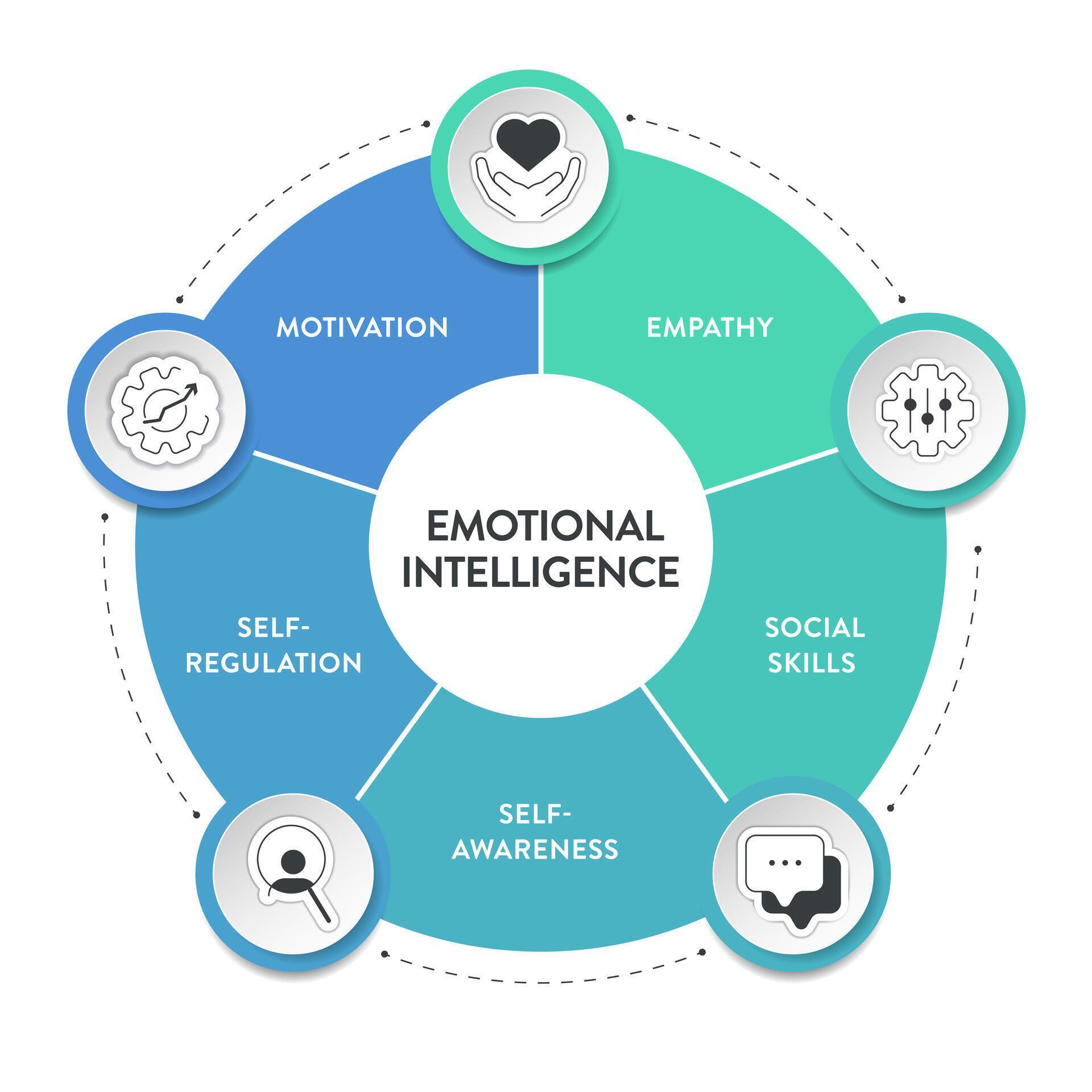
Johnnie Kamugisha emphasized that effective guiding is not merely a transfer of knowledge but an exercise in emotional connection. He noted that while facts can be provided indefinitely, the experience only resonates if the traveler feels something. The guide’s role is to transform information into a lasting memory.
Dr. Lilly Ajarova, serving as the conference patron, described guides as the first real connection a visitor establishes with the country. This connection happens not at the airport, but during the early moments of conversation and exploration on the road. Because these moments shape a visitor’s initial impressions of Uganda, Dr. Ajarova argued that the role must be treated with professional rigor, including formalized training and standards that move beyond verbal appreciation.

From Individual Effort to Institutional Voice
A central theme of the event was the transition from individual excellence to institutional influence. Major General Henry Matsiko addressed the issue of “position,” questioning why those central to the tourism experience are often absent from the decision-making processes that shape the industry. He argued that without a formal organization, the critical work of guides remains invisible to policymakers.
The conference provided a forum for guides to share the “unwritten” parts of their jobs—actions that rarely appear in brochures but define the quality of a trip. These included guides picking up plastic waste in national parks to preserve the environment or spending hours providing emotional support to nervous travelers. Such stories underscored the fact that much of the current quality of Ugandan tourism relies on the individual initiative of guides rather than a systemic framework of support.
While the two-day event did not result in a sweeping resolution or a formal declaration, the organizers noted a fundamental shift in the atmosphere. For the first time, professionals who typically work in solitude recognized the shared nature of their challenges and triumphs.
Key Takeaways from the Inaugural Conference
- Professional Recognition: The need to move from casual compliments to formal industry recognition and standards.
- Policy Integration: A call for guides to have a voice in the creation of tourism policies and decision-making processes.
- Standardized Training: The push for training that emphasizes both factual knowledge and the emotional intelligence required for high-quality guest relations.
- Community Building: Ending the fragmentation of the profession by creating a network where guides can share best practices.
The organizers have confirmed that the Annual Tourist Guides Conference will return next year, with the intention of expanding the event’s scope and impact. As the industry evolves, the goal remains to ensure that the people who shape the visitor’s journey are no longer the most invisible part of the tourism value chain.
The conference organizers have indicated that the event will return next year to continue building this professional network. We invite readers to share their experiences with Ugandan tour guides in the comments below.
Worth a look