
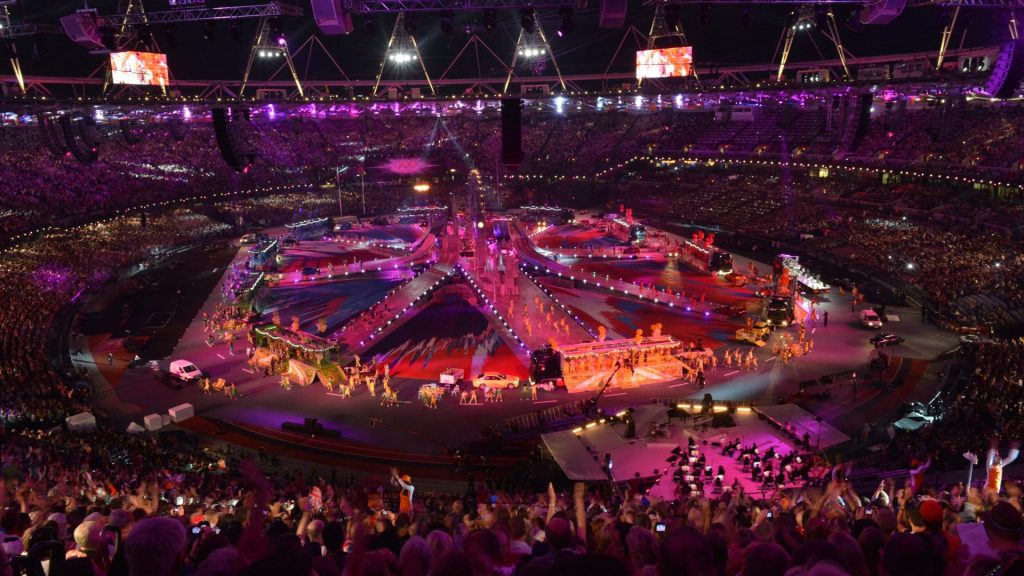
The United Kingdom is quietly positioning itself as a frontrunner for the 2040 Olympic and Paralympic Games, with government officials initiating feasibility studies to determine the viability of a bid. This move comes as part of a broader strategy to solidify the UK’s reputation as a premier destination for global sporting events, following its successful 2012 London Games, which cost an estimated £8.8 billion according to official reports.
With the International Olympic Committee (IOC) yet to finalize host cities beyond the 2032 Games in Brisbane, Australia, the UK’s potential bid for the 2040s presents a strategic opportunity. Discussions are underway to evaluate key factors, including cost, socio-economic impact, and the likelihood of securing the Games amid growing regional interest. Proposals range from a London-centric bid to multi-city models involving northern England, reflecting the UK’s ambition to distribute the benefits of hosting across its diverse regions.
This ambition extends beyond the Olympics, with the government also exploring bids for high-profile events like the Ryder Cup and Solheim Cup in the 2030s. The push to attract major sporting competitions aligns with broader economic and cultural goals, including infrastructure development, tourism growth, and the promotion of British sports excellence on the global stage.
Why the UK’s Olympic Bid Matters
The UK’s potential bid for the 2040 Olympics is not just about prestige—it’s a calculated move to leverage the economic and cultural legacy of the 2012 Games. According to a 2012 post-Games report by the UK government, the event generated £10.9 billion in economic benefits over six years, including £2.8 billion in additional tax revenues and the creation of 82,000 jobs. A successful 2040 bid could similarly drive regeneration in key cities, boost tourism, and enhance the UK’s global soft power.
However, the path to securing the Games is competitive. The IOC’s selection process is rigorous, favoring bids that demonstrate long-term legacy planning, sustainability, and community engagement. The UK’s experience from 2012—where challenges such as cost overruns and infrastructure delays were addressed—could serve as a blueprint for future success. Yet, critics argue that the financial and logistical demands of hosting the Olympics remain substantial, and the government must balance ambition with fiscal responsibility.
One of the key debates surrounds the format of the bid. While London remains the most obvious choice given its existing infrastructure, including the Olympic Park and Stratford, there is growing political momentum for a multi-city approach. Northern England, in particular, has been vocal about sharing the opportunity, with cities like Manchester and Liverpool positioning themselves as potential hosts for key events. This regional collaboration could help distribute the economic and social benefits more evenly across the UK.
Chelsea FC Women and Compex: A Partnership for Performance
On the football front, Chelsea FC Women have announced a groundbreaking performance partnership with Compex, the global leader in muscle recovery technology. The agreement marks a significant investment in the club’s medical and sports science departments, providing the first-team squad with advanced electronic muscle stimulation devices and bracing equipment.
Compex’s technology, which has been used by elite athletes worldwide, is designed to enhance player conditioning, reduce injury risks, and accelerate post-match recovery. The devices have already been integrated into Chelsea’s training schedules, allowing the medical team to monitor and manage player fatigue more effectively throughout the domestic and European seasons. This partnership underscores Chelsea’s commitment to innovation in women’s football, where physical demands are as intense as in the men’s game.
Paul Green, General Manager of Chelsea FC Women, highlighted the club’s proactive approach to player welfare: “We have always prioritized reliable methods to improve our performance and recovery processes. Compex’s technology has given our medical staff invaluable tools to keep the squad in peak condition, which is critical as we push for success in both domestic and international competitions.”
Justin Cannon, UK Business Manager at Compex, echoed Green’s enthusiasm, stating: “Chelsea FC Women are setting the standard in women’s football, and we are proud to support their continued growth. Our muscle stimulation devices have helped athletes worldwide recover faster and perform at their best, and we look forward to making a positive impact on this exceptional team.”
Celtic FC Women Welcome Octo Insurance as New Kit Sponsor
Meanwhile, Scottish football club Celtic FC Women have announced a landmark sponsorship deal with Octo Insurance Brokers, who will turn into the club’s new front-of-shirt sponsor for the 2026/27 season. The agreement, which replaces the previous main sponsor, will see Octo’s logo prominently displayed on the team’s home, away, and third kits throughout the upcoming Scottish Women’s Premier League (SWPL) campaign.
This partnership arrives at a pivotal moment for Celtic FC Women, who are targeting domestic honors and European competition. The new kits, set to debut at the start of the season, reflect the club’s ambition to build on recent successes and further grow women’s football in Scotland. Elena Sadiku, Head Coach of Celtic FC Women, expressed her delight: “We are thrilled to welcome Octo Insurance Brokers as our new sponsor. Their support comes at a crucial time as we aim to build on our achievements and continue developing the women’s game in Scotland.”
Jane Doe, CEO of Octo Insurance Brokers, added: “Partnering with Celtic FC Women aligns perfectly with our values of excellence and community impact. We are excited to support this incredible team as they strive for success on and off the pitch.”
What’s Next for the UK’s Olympic Ambitions?
The UK’s potential Olympic bid for 2040 remains in its early stages, with feasibility studies expected to take several months. Key stakeholders, including the Department for Culture, Media and Sport and the British Olympic Association, will play a crucial role in shaping the proposal. The government has indicated that any bid will be developed in consultation with local authorities, sports organizations, and community groups to ensure broad support.
For Chelsea FC Women and Celtic FC Women, the focus is on delivering strong performances in the coming seasons. The partnerships with Compex and Octo Insurance Brokers not only provide financial and technological support but also signal the growing professionalism and investment in women’s football across Europe. As these clubs push for on-field success, their off-field collaborations with leading brands set a benchmark for the industry.
For readers interested in tracking developments on the UK’s Olympic bid, official updates can be found on the UK Government’s Department for Culture, Media and Sport website. For the latest on Chelsea FC Women and Celtic FC Women, follow their official social media channels and club announcements.
Key Takeaways
- The UK government is exploring a bid to host the 2040 Olympics, with feasibility studies underway to assess costs, economic impact, and regional interest.
- Proposals include both London-centric and multi-city models, with northern England cities positioning themselves as potential hosts.
- Chelsea FC Women have partnered with Compex to integrate advanced muscle recovery technology into their training programs.
- Celtic FC Women have signed Octo Insurance Brokers as their new front-of-shirt sponsor for the 2026/27 season.
- The UK’s Olympic ambitions are part of a broader strategy to attract major sporting events, including the Ryder Cup and Solheim Cup in the 2030s.
What are your thoughts on the UK’s potential Olympic bid? Could it be the next great chapter in British sports history? Share your comments below or tag us on social media to join the conversation.