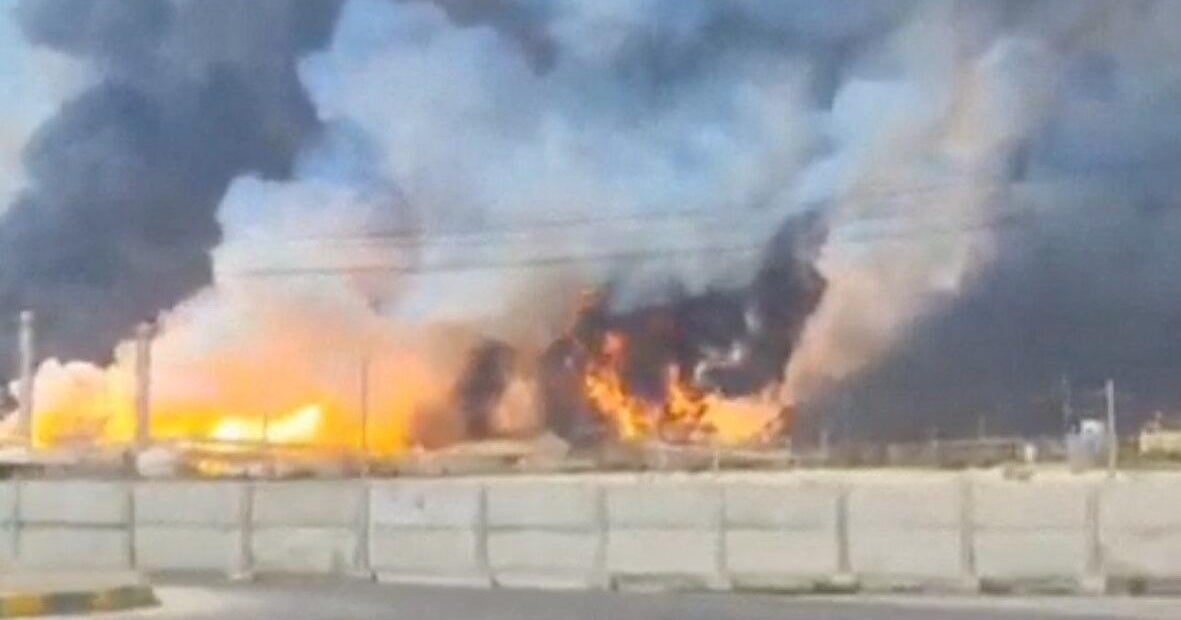
Sofia, Bulgaria – Escalating tensions in the Middle East, triggered by a recent Israeli strike on Iran’s South Pars gas field, are sending shockwaves through global energy markets and prompting a coordinated response from several major world powers. The leaders of the United Kingdom, France, Germany, Italy, the Netherlands, and Japan have signaled their willingness to contribute to securing safe passage through the Strait of Hormuz, a vital artery for global oil and gas supplies. This comes amid growing concerns over potential disruptions to energy flows and a wider regional conflict.
The situation is particularly sensitive given the ongoing war in the region and the potential for further escalation. The Strait of Hormuz, a narrow waterway connecting the Persian Gulf to the Gulf of Oman and the Arabian Sea, is a critical chokepoint for approximately 20% of the world’s oil supply, according to the U.S. Energy Information Administration. Any disruption to traffic through the strait could have significant consequences for the global economy. The current volatility underscores the interconnectedness of global energy security and geopolitical stability.
Joint Statement Signals International Concern
On March 19, 2026, the leaders of the aforementioned nations issued a joint statement expressing their readiness to contribute to efforts ensuring safe passage through the Strait of Hormuz. The statement, published on the UK government website, emphasized the demand for a de-escalation of tensions and a cessation of attacks on civilian infrastructure, including oil and gas installations. Whereas the statement did not specify the nature of their potential contributions, it represents a significant diplomatic move aimed at stabilizing the region.
The move follows repeated calls from the United States for international assistance in safeguarding the Strait of Hormuz. But, several U.S. Allies have been hesitant to directly join military operations against Iran, particularly during active combat. Reports indicate that the United Kingdom is currently working with the U.S. Military on contingency plans, including potential mine detection operations, to be deployed *after* hostilities cease. This cautious approach reflects a broader reluctance among some nations to become directly involved in a potentially protracted conflict.
Japanese Considerations and Constitutional Constraints
Japan’s position is particularly nuanced due to constitutional limitations on the use of its Self-Defense Forces. Prime Minister Sanae Takaichi has publicly stated that Japan’s constitution prohibits offensive military operations. This constraint means that any Japanese contribution to securing the Strait of Hormuz would likely focus on non-combat roles, such as maritime patrols for information gathering and potentially mine countermeasures. The issue is expected to be discussed during a meeting between Prime Minister Takaichi and U.S. President Donald Trump, as reported by multiple news outlets.
Energy Prices Surge Amidst Regional Instability
The escalating tensions and the attack on the South Pars gas field have already had a noticeable impact on global energy prices. Crude oil futures have risen sharply in recent days, reflecting concerns about potential supply disruptions. Reuters reports that Brent crude, the international benchmark, has climbed above $90 a barrel, its highest level in months. Natural gas prices have also increased, driven by fears that Iranian retaliation could target energy infrastructure in the region. The surge in energy prices is exacerbating inflationary pressures and raising concerns about the global economic outlook.
The South Pars Gas Field Strike and Iranian Response
The Israeli strike on the South Pars gas field, while confirmed by multiple sources, remains a point of contention regarding its precise objectives and extent of damage. South Pars is one of the world’s largest natural gas fields, and any significant disruption to its operations could have far-reaching consequences for global energy supplies. Iran has condemned the attack as a violation of its sovereignty and has vowed to retaliate. The exact nature of Iran’s response remains uncertain, but analysts warn that it could range from further attacks on regional infrastructure to direct military confrontation.
Historical Context: Previous Incidents in the Strait of Hormuz
The Strait of Hormuz has been a flashpoint for geopolitical tensions for decades. In 2019, a series of attacks on oil tankers in the Gulf of Oman, which the United States blamed on Iran, raised fears of a wider conflict. Iran denied involvement in those attacks. In January 2020, following the U.S. Assassination of Iranian General Qassem Soleimani, Iran launched missile strikes against U.S. Military bases in Iraq, further escalating tensions in the region. These past incidents highlight the vulnerability of the Strait of Hormuz to disruption and the potential for miscalculation to trigger a larger conflict.
The Role of International Law and Maritime Security
The legal framework governing maritime security in the Strait of Hormuz is complex. The United Nations Convention on the Law of the Sea (UNCLOS) guarantees freedom of navigation through international waterways, but it also allows coastal states to take measures to protect their security. Iran has repeatedly asserted its right to control access to the Strait of Hormuz, a claim that has been challenged by the United States and other nations. Maintaining freedom of navigation while addressing legitimate security concerns requires a delicate balance and a commitment to international cooperation.
Potential Scenarios and Implications
Several potential scenarios could unfold in the coming weeks and months. A full-scale military conflict between Iran and Israel, potentially involving the United States, remains a significant risk. Such a conflict could lead to a complete shutdown of the Strait of Hormuz, causing a massive spike in energy prices and a global economic recession. A more limited scenario could involve continued attacks on regional infrastructure and increased maritime security patrols. Even in this case, energy prices are likely to remain elevated, and the risk of escalation would persist.
The involvement of other regional actors, such as Saudi Arabia and the United Arab Emirates, could further complicate the situation. These countries have close ties to the United States and have expressed concerns about Iran’s regional ambitions. Their response to any escalation will be crucial in shaping the outcome of the crisis.
What Happens Next?
The immediate focus is on de-escalation and preventing further attacks on civilian infrastructure. Diplomatic efforts are underway to mediate between Iran and Israel, but the prospects for a breakthrough remain uncertain. The meeting between Japanese Prime Minister Takaichi and U.S. President Trump on March 21, 2026, is expected to address the situation in the Strait of Hormuz and explore potential avenues for cooperation. The international community will be closely monitoring developments in the region and preparing for a range of possible outcomes. The next official update from the U.S. Department of Defense is scheduled for March 27, 2026, and is expected to provide further insights into the evolving security situation.
The situation in the Strait of Hormuz is a stark reminder of the fragility of global energy security and the importance of international cooperation. The coming days and weeks will be critical in determining whether the region can avoid a wider conflict and maintain the flow of vital energy supplies to the world.
Do you have thoughts on this developing situation? Share your perspective in the comments below.
Worth a look
- Call for Papers: Mondial Special Edition on Rewriting the UN Charter
- Brewery Revokes License After Owner Promises Free Beer When Trump Dies
- Waze & Google Maps Now Prioritize Eco-Friendly Routes in France (archynewsy.com)
- Two-Thirds of Germany Chemistry PhD Students Consider Quitting (world-today-news.com)