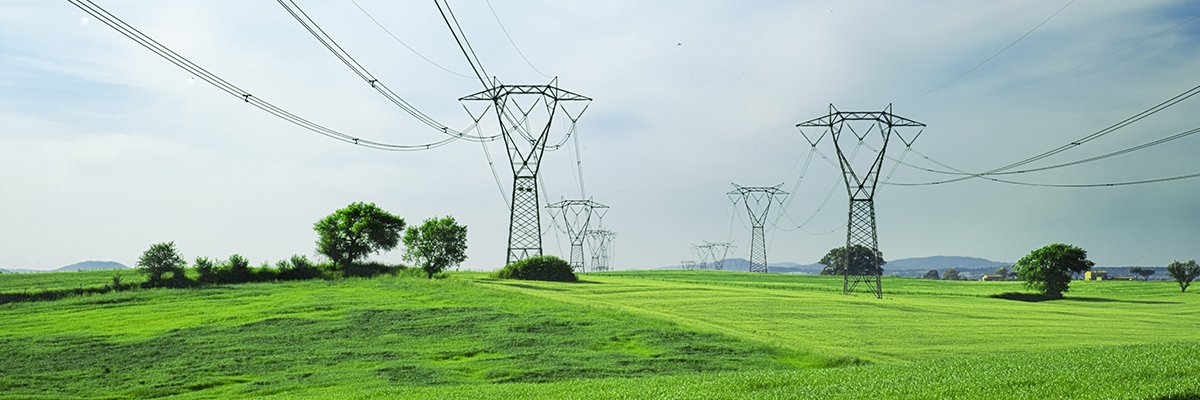
UK Grid Capacity: A critical bottleneck for AI Ambitions and Future Growth
The United Kingdom’s aspirations to become a global leader in Artificial Intelligence (AI),advanced manufacturing,and clean energy are facing a significant,and increasingly urgent,challenge: the capacity and modernization of its electricity grid. Recent polling data,coupled with escalating demand from data centres and the transition to renewable energy sources,paints a clear picture – without substantial and rapid investment in grid infrastructure,the UK risks squandering a pivotal opportunity for economic growth,technological dominance,and environmental sustainability.
Business Confidence Tempered by Grid Concerns
A recent survey reveals a strong degree of confidence amongst UK business leaders in the nation’s potential to spearhead innovation in key sectors. 55% believe the UK can become a global AI leader, but this optimism is inextricably linked to a reliable and high-capacity power supply. Crucially, 75% of businesses surveyed indicated that planned grid improvements would directly enable investment and expansion within the UK. Conversely, a stark 19% believe the current grid is adequate for the energy demands of high-growth industries.
These figures, highlighted by Energy Networks Association CEO lawrence Slade, underscore a critical point: the UK’s potential is not guaranteed.”Decisions made this year will be pivotal for securing the private investment network operators need to make this future-ready grid a reality,” Slade emphasized. Failure to act decisively risks losing a competitive edge and forfeiting the substantial economic, environmental, and social benefits within reach.
The Data Centre Demand Surge & AI’s Power Hunger
The pressure on the UK grid is intensifying, driven largely by the explosive growth in data centre construction. Concerns about the grid’s ability to cope with this demand have been simmering for years, but have reached a fever pitch alongside the government’s ambitious push to establish the UK as an “AI superpower.”
Developers are announcing plans for hyperscale, high-performance compute, and AI-focused server farms across the country at an unprecedented rate. These facilities, designed to power the complex algorithms and massive datasets required for AI advancement, consume significantly more energy than traditional data centres.
The scale of this demand is substantial. Government estimates project domestic data centre capacity could surge to between 3.3GW and 6.3GW by 2030, primarily fueled by AI workloads.This represents a significant strain on existing infrastructure and necessitates proactive, large-scale upgrades.
Beyond AI: Enabling the Clean energy Transition
The need for grid modernization extends beyond supporting AI.A robust and flexible grid is essential for the UK’s transition to a net-zero economy. As Tania Kumar, policy director for net zero at the Confederation of British Industry, explains, “Without a modern, expanded network, we cannot deploy the renewable capacity required, nor can we fully harness the potential of technologies such as offshore wind, solar, hydrogen and small modular reactors.”
Electrification across multiple sectors – transportation, heating, industry - will further amplify demand, making accelerated grid development and streamlined connection processes paramount to unlocking growth and attracting investment.
The urgency of Action: Delays Have Consequences
The consequences of inaction are severe. Delays in power provision are already hindering the construction of new digital infrastructure and science parks, potentially diverting investment to countries with more reliable energy supplies. As Teodora Kaneva, head of smart infrastructure and systems at TechUK, points out, this isn’t just a concern for the tech sector; it directly impacts the government’s broader ambitions in AI and life sciences. “Reliable, affordable and flexible power is essential for the government’s growth mission.”
Kaneva’s call for cross-party collaboration is especially pertinent. “With an increasingly polarised debate on infrastructure delivery, politicians from all parties must come together to champion this vital national infrastructure.”
Addressing the Challenges: A Multi-faceted Approach
Successfully navigating this challenge requires a complete strategy encompassing:
* Accelerated Investment: Significant and sustained investment in grid infrastructure is non-negotiable. this includes upgrading existing lines, building new capacity, and deploying smart grid technologies.
* Streamlined Planning & permitting: The current planning system is frequently enough cited as a major bottleneck. reforms are needed to expedite the approval process for grid upgrades and new energy projects. (As highlighted by ongoing disputes regarding data centre planning permissions in West London).
* Strategic Grid Planning: Proactive, long-term grid planning is crucial to anticipate future demand and ensure infrastructure is in place to support growth.
* Incentivizing Private Investment: Creating a regulatory surroundings that encourages private sector investment in grid infrastructure is essential.
Related reading