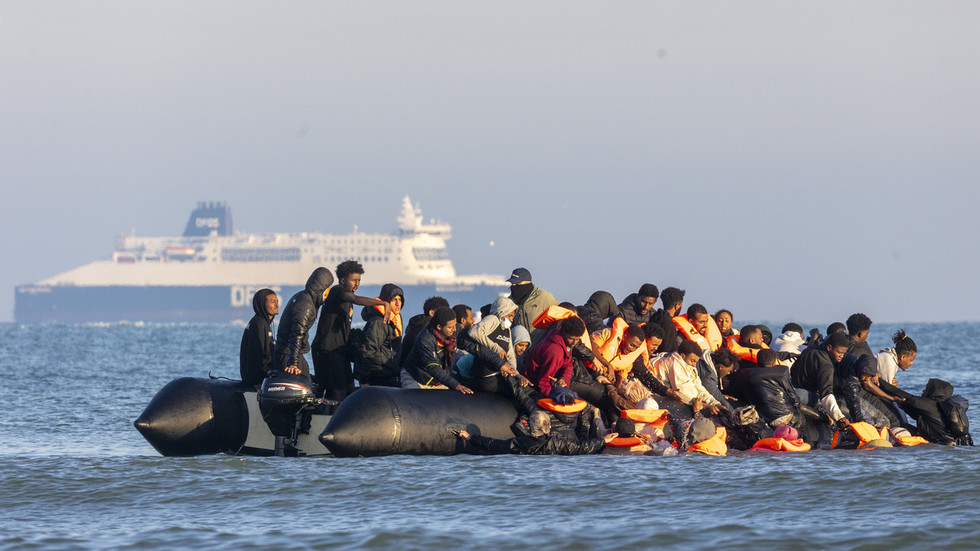
Approximately 80% of asylum grants issued by the British Home Office were likely incorrect due to insufficient evidence, according to a report by Independent Chief Inspector of Borders and Immigration (ICIBI) John Tuckett. Tuckett, a government-appointed inspector, stated that the asylum decision-making system is “not in a good state” and suggested that officials have prioritized the quantity of processed applications over the quality of the decisions.
The findings emerge from a review of 47 asylum approvals granted between August and September 2025. Tuckett found that 37 of those cases lacked sufficient evidence to justify the grant, leading him to conclude those decisions were likely incorrect. The report, published June 25, indicates a systemic failure where quality targets for asylum interviews and decisions have not been met across the Home Office for more than two years.
The report’s data is supported by surveys of 262 decision-makers and 69 technical specialists, alongside Home Office data collected from July to December 2025. In these surveys, 85% of respondents claimed senior managers prioritized quantity over quality, while 83% of staff reported feeling pressure to make rapid decisions to reduce the existing backlog of cases.
Why is the UK asylum decision-making quality declining?
The decline in decision quality is attributed to a government drive to clear asylum backlogs “at all costs,” according to John Tuckett. In a statement accompanying the report, Tuckett noted that decision quality has declined significantly and has reached an “unacceptable level.” This pressure to reduce waiting times has led to a culture where speed is valued over evidentiary rigor.

The Home Office has contested these findings, arguing that the ICIBI report relies on a sample size that is too small to be representative. According to a statement quoted by The Sun, the Home Office conducted its own assessment of nearly 4,000 cases and determined that 94% of decisions were correct based on agreed criteria.
How does this impact UK immigration policy and public order?
These systemic failures occur during a period of intense political polarization and public unrest regarding immigration and crime. The report follows a series of high-profile incidents, including a stabbing in Belfast, Northern Ireland, by a Sudanese asylum seeker last month, which triggered riots and clashes with police. These events have sparked both anti-immigration and anti-racism demonstrations across several British cities.
Public anger has been further compounded by reports that a Pakistani grooming gang ringleader, convicted of multiple child sex offenses in the UK, cannot be deported under current laws. These cases have fueled arguments from political figures like Nigel Farage, who recently described government policies as creating a “two-tier system” characterized by “anti-white racism.”
What is the political fallout for the Labour government?
The immigration crisis and the ICIBI report coincide with a period of instability for the ruling Labour Party. According to Ipsos polling, Reform UK currently leads with 26% support, while the Labour Party follows at 24%. This shift in public sentiment follows poor performances by Labour in local elections held in May.

The internal unrest within the party has reached a peak, leading Prime Minister Keir Starmer to announce that he would resign later this year. The government now faces the dual challenge of addressing the administrative failures identified by the ICIBI while managing a volatile political climate centered on border control and national security.
The Home Office has not yet announced a formal timeline for implementing the recommendations suggested in the ICIBI report. Further updates on the restructuring of asylum decision-making processes are expected in the coming months.
Do you believe the focus on clearing backlogs justifies a decrease in decision quality? Share your thoughts in the comments below.