
LONDON — British Prime Minister Keir Starmer finds himself at a political crossroads, clinging to power amid a storm of resignations and a growing revolt within his own Labour Party. With three ministers quitting in a single day and mounting pressure to step down, Starmer’s leadership is being tested like never before. The latest turmoil—coming just weeks after a humiliating electoral defeat—has reignited questions about the stability of the UK government, which has already seen five prime ministers in seven years. Analysts warn that if Starmer falters, Britain could soon face its sixth leader in less than a decade, deepening a crisis of governance that has left the country politically fractured.
The resignations, including that of junior minister Zubir Ahmed, have exposed deep rifts within Starmer’s cabinet. Ahmed’s scathing resignation letter—calling for Starmer to quit to “save the Labour Party”—reflects the frustration of lawmakers who believe the prime minister has lost public trust. Starmer, who has repeatedly dismissed calls to resign, faces a delicate balancing act: either hold firm and risk further defections or step aside and hand the reins to an untested successor. The economic fallout of such instability is already being felt, with Starmer’s office warning that “the past 48 hours have been destabilizing for government, and that has a real economic cost for our country and for families.”
This latest crisis comes against a backdrop of unprecedented political volatility in the UK. Since the 2016 Brexit referendum, the country has seen a revolving door of leaders: David Cameron (2010–2016), Theresa May (2016–2019), Boris Johnson (2019–2022), Liz Truss (2022, just 44 days in office), and Rishi Sunak (2022–2024). Each departure has been marked by scandals, policy failures, or internal party strife. Now, Starmer—who took office in 2024 after Labour’s landslide victory—is the latest to face the brunt of this instability. His refusal to resign, however, has left his party divided, with some allies urging him to act before the situation spirals further.
Why Starmer’s Leadership Is Under Siege
Starmer’s troubles stem from a combination of factors: a stagnant economy, public disillusionment with Labour’s promises, and the fallout from last week’s local and regional elections, where the party suffered heavy losses. The resignations of ministers like Ahmed—who accused Starmer of failing to address “irretrievable” public distrust—have emboldened critics within the party. Some MPs argue that Starmer’s appointment of Christopher Meyer as ambassador to the US, despite his links to Jeffrey Epstein, further damaged his credibility. While Starmer has defended the choice, the controversy has fueled speculation that he is out of touch with public sentiment.
Adding to the pressure is the economic backdrop. The UK’s inflation rate remains stubbornly high, and growth has slowed, leaving voters skeptical about Labour’s ability to deliver on its manifesto pledges. Starmer’s approval ratings have plummeted, with polls suggesting that a majority of Britons now view him as unfit for office. The resignation of four ministers in a single day—including two from the Treasury—has sent shockwaves through Westminster, where whispers of a leadership challenge are growing louder.
Who Are the Key Players in This Crisis?
- Keir Starmer: Labour Party leader and Prime Minister since 2024. A former human rights lawyer, Starmer was seen as a steady hand after Boris Johnson’s chaotic tenure, but his recent struggles have tested that reputation.
- Zubir Ahmed: Junior minister who resigned on Tuesday, accusing Starmer of losing public trust. His resignation letter was the most public critique yet of the prime minister’s leadership.
- Christopher Meyer: Appointed ambassador to the US despite his past ties to Jeffrey Epstein, a move that has sparked controversy and fueled calls for Starmer’s resignation.
- Labour MPs: A growing faction within the party is pushing for Starmer to step aside, arguing that his continued leadership risks further electoral defeat.
The Broader Context: A Decade of Political Turmoil
The UK’s political instability is not new. Since the 2016 Brexit referendum, the country has been gripped by a cycle of leadership changes, each triggered by scandals or policy failures. The rapid turnover—five prime ministers in seven years—has left institutions weakened and public confidence in low supply. Starmer’s predicament is a microcosm of this broader crisis: a leader clinging to power amid a party in disarray and a population demanding change.
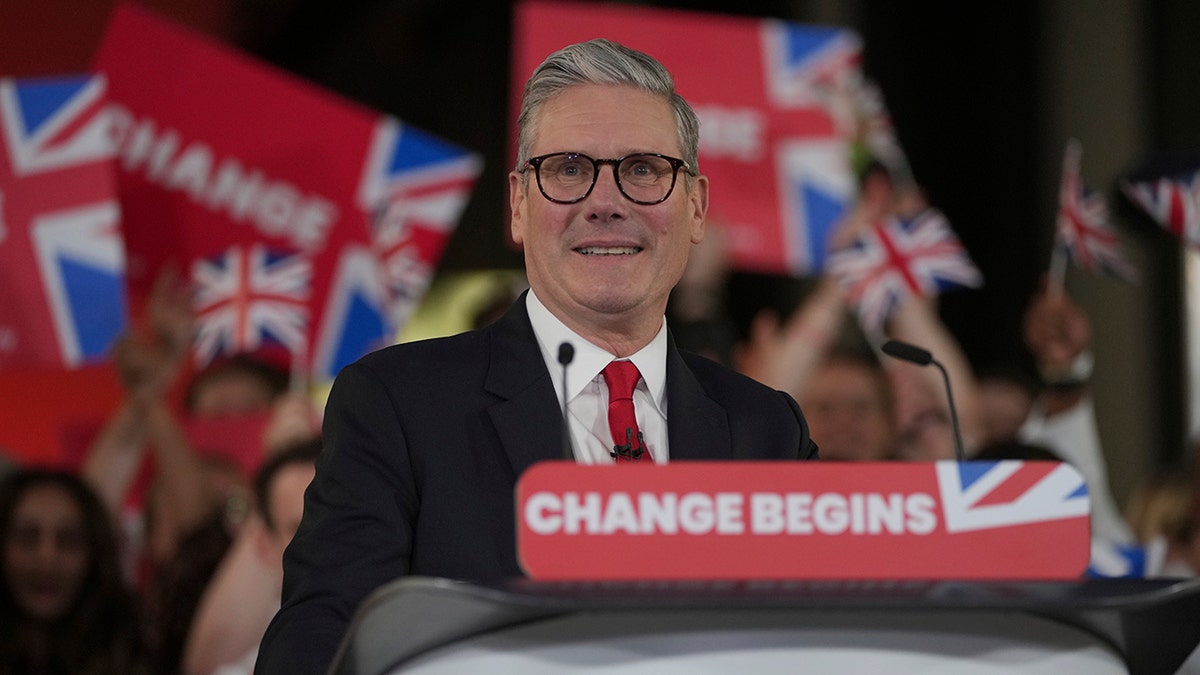
Historically, the UK has prided itself on political stability, but the post-Brexit era has shattered that image. The Conservative Party, once the dominant force in British politics, has been ravaged by internal strife, while Labour now faces its own existential challenges. Starmer’s ability to navigate this storm will determine whether Labour can reclaim its footing—or whether the UK is headed for yet another leadership shake-up.
What Happens Next?
Starmer’s next moves will be critical. If he refuses to resign, the pressure on his party will only intensify, potentially leading to a leadership challenge. Should he step down, Labour would enter a period of uncertainty, with no clear successor ready to take the helm. The economic and political fallout of such a transition could be severe, particularly given the UK’s fragile economic recovery.
For now, Starmer remains defiant. In a statement released on Tuesday, his office reiterated his commitment to serving as prime minister, warning that “destabilizing” political maneuvers would harm the country. However, the resignations and growing dissent suggest that his position is far from secure. The next few days will be decisive in determining whether Starmer can weather the storm—or if the UK is on the brink of another political earthquake.
Key Takeaways
- Starmer’s leadership is under unprecedented pressure, with three ministers resigning in a single day and calls for his resignation growing louder.
- The UK’s political instability continues, with five prime ministers in seven years—a trend that shows no signs of slowing.
- Economic concerns and public distrust are the primary drivers of the crisis, with voters skeptical about Labour’s ability to deliver on its promises.
- A leadership challenge within Labour could force Starmer’s hand, potentially leading to another rapid turnover in UK leadership.
- The fallout from Starmer’s appointment of Christopher Meyer as ambassador to the US has further damaged his credibility.
The next checkpoint in this unfolding drama will likely be a Labour Party meeting in the coming days, where MPs may formally discuss Starmer’s future. Until then, the UK’s political future remains uncertain, with the prime minister clinging to power by a thread. As the situation evolves, World Today Journal will continue to provide updates on this developing story.
What do you think? Can Starmer survive this crisis, or is the UK headed for another leadership change? Share your thoughts in the comments below.
Worth a look