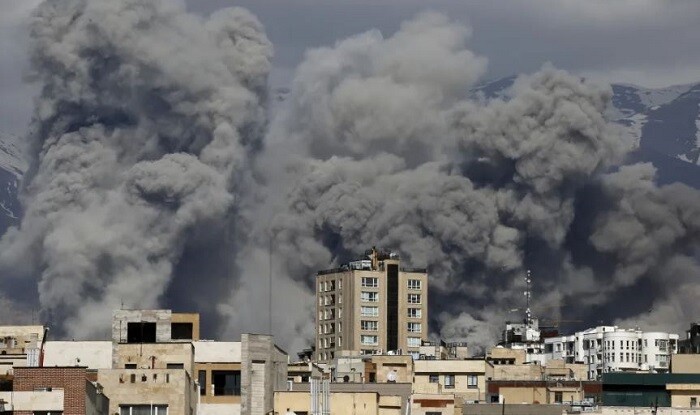
Is Britain Preparing to Join Potential Strikes Against Iran? The escalating tensions in the Middle East have prompted questions about the potential involvement of the United Kingdom in military action against Iran. Recent reports suggest London is considering participation in strikes targeting Iranian ballistic missile launch sites, with the United States potentially leading the effort. This comes amid a backdrop of heightened conflict following attacks in the region and increasing concerns over Iran’s regional influence.
The situation is complex and rapidly evolving. On March 4, 2026, reports began circulating indicating a shift in the UK’s stance, moving away from a position of observing from the sidelines to one of potential direct involvement. This shift appears to be driven by concerns over the threat posed by Iran’s ballistic missile program and its potential impact on regional stability. The UK’s willingness to consider military action underscores the gravity of the situation and the growing international pressure on Iran.
The Guardian reported on March 4, 2026, that Britain is no longer hiding behind Washington and is prepared to join strikes on Iranian missile sites. While American heavy bombers are reportedly being moved to British bases, London is simultaneously working to protect its own interests, particularly its base in Cyprus, which has already received drone threats from Iran. This dual approach – preparing for potential offensive action while bolstering defensive capabilities – highlights the multifaceted nature of the UK’s response to the escalating crisis.
UK Military Preparations and US Support
According to The Guardian, Britain is not ruling out participation in future attacks on Iranian ballistic missile launch facilities. The expectation is that within days, American heavy bombers will arrive at British bases located at Diego Garcia and Fairford, potentially positioning them for strikes against Iran’s underground missile infrastructure. The Diego Garcia base, a British Overseas Territory, has long been a key strategic asset for the US military, and its use in a potential operation against Iran would underscore the close cooperation between the two countries.
However, the Royal Navy’s response appears to be unfolding at a slower pace. The destroyer HMS Dragon, promised to Cyprus as early as Tuesday, is not expected to depart from Portsmouth until next week, as reported by The Guardian. This delay raises questions about the speed at which the UK can deploy its naval assets to the region and potentially impacts its ability to respond swiftly to any escalation of the conflict. The logistical challenges of deploying warships highlight the complexities of military planning and the importance of timely preparation.
International Reactions and Concerns
The potential for a joint US-UK military operation against Iran has drawn mixed reactions from the international community. Concerns have been raised about the potential for further escalation of the conflict and the humanitarian consequences of military action. Some countries have called for de-escalation and a return to diplomatic negotiations, while others have expressed support for a firm response to Iran’s actions. The differing perspectives reflect the complex geopolitical dynamics at play and the lack of a unified approach to resolving the crisis.
The conflict is already impacting global markets, with energy bills potentially rising by £160 due to the disruption of oil supplies, as reported by The Guardian. This economic impact underscores the far-reaching consequences of the Middle East crisis and the potential for a wider global economic downturn. The volatility in energy markets serves as a stark reminder of the interconnectedness of the global economy and the vulnerability of supply chains to geopolitical shocks.
Domestic Political Considerations in the UK
Within the UK, the prospect of military involvement in Iran is generating political debate. The government faces pressure to balance its commitment to international security with the demand to protect British interests and avoid unnecessary escalation. Opposition parties are scrutinizing the government’s actions and demanding transparency about the rationale for any military intervention. The domestic political landscape adds another layer of complexity to the decision-making process and underscores the importance of building a broad consensus on the way forward.
The Guardian similarly noted commentary on the political implications, including analysis of how the situation might affect the relationship between the US and the UK, and the potential impact on British politics. The article referenced a comparison of current UK leadership to Winston Churchill, suggesting a contrast in approach to the current crisis.
Recent Developments and Escalation
The situation has escalated rapidly in recent days, with Israel launching novel waves of strikes on Iran and Beirut, as reported by The Guardian. Iran has vowed “complete destruction” in response, raising the specter of a wider regional conflict. These retaliatory strikes underscore the fragility of the ceasefire and the potential for miscalculation to lead to a full-scale war. The cycle of violence highlights the urgent need for diplomatic intervention to de-escalate tensions and prevent further bloodshed.
Adding to the complexity, reports surfaced on March 4, 2026, of a US submarine sinking an Iranian warship near the coast of Sri Lanka, as reported by The Guardian. While details remain limited, this incident represents a significant escalation of the conflict and raises concerns about the potential for further direct military confrontation between the US and Iran. The sinking of the warship underscores the high stakes involved and the potential for the conflict to spiral out of control.
The Impact on Global Energy Markets
The Middle East conflict is already having a tangible impact on global energy markets. As The Guardian reported, energy bills could rise by £160 after the conflict pushed gas prices higher. This increase in energy costs will disproportionately affect households and businesses, adding to inflationary pressures and potentially slowing economic growth. The disruption of oil supplies underscores the vulnerability of the global economy to geopolitical instability and the importance of diversifying energy sources.
Looking Ahead
The situation remains highly fluid and unpredictable. The UK’s potential involvement in military action against Iran is contingent on a number of factors, including the evolving security situation, the outcome of diplomatic efforts, and domestic political considerations. The next few days will be critical in determining whether the conflict can be contained or whether it will escalate into a wider regional war.
The Guardian reports that European stock markets rallied after a report of “secret outreach” by Iran to try to end the war. This suggests a potential willingness on the part of Iran to negotiate a ceasefire, but the success of these efforts remains uncertain. The international community must seize any opportunity for dialogue and work towards a peaceful resolution to the crisis.
The UK government is expected to provide further updates on its position in the coming days. The situation will continue to be closely monitored by international observers, and the potential for further escalation remains a significant concern. The world watches as the UK navigates this complex and dangerous situation, weighing its responsibilities to international security against the risks of military intervention.
Key Takeaways:
- The UK is considering joining potential strikes against Iranian ballistic missile launch sites.
- American heavy bombers are expected to arrive at British bases in the coming days.
- The Royal Navy’s deployment is facing logistical delays.
- The conflict is already impacting global energy markets and raising concerns about a wider regional war.
Stay informed about the latest developments in the Middle East crisis. For official updates and further information, please refer to the websites of the UK Ministry of Defence and the US Department of Defense. We encourage readers to share their thoughts and perspectives on this critical issue in the comments section below.
Keep reading