
Resident doctors and general practitioner (GP) registrars in England have formally ended their threat of industrial action after voting to accept a new government pay offer. The agreement, which includes an average pay increase of 6.6% for the 2024-25 financial year, concludes a long-running pay dispute that has seen multiple walkouts across the National Health Service (NHS) over the past two years.
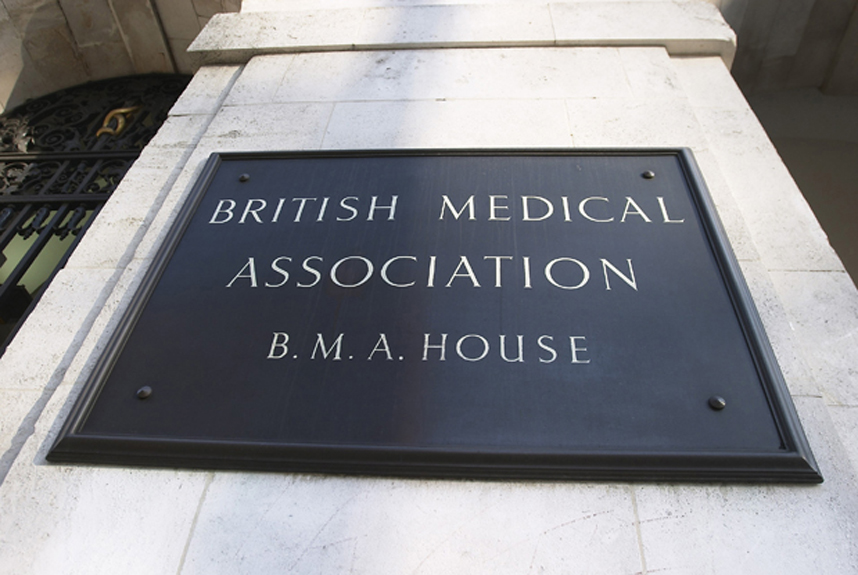
The deal was confirmed following a ballot of members from the British Medical Association (BMA), the trade union representing the affected doctors. According to the British Medical Association, 66% of members voted to accept the proposal, which addresses both salary adjustments and structural reforms to the way resident doctors—formerly known as junior doctors—are paid and supported within the health service.
The resolution marks a significant shift in the relationship between the government and medical staff, as the health sector looks to stabilize workforce retention and reduce the reliance on temporary staffing. For patients, the agreement provides immediate relief from the prospect of further canceled appointments and elective surgery delays that have characterized previous strike periods.
The Details of the Pay Agreement
The core of the settlement involves a consolidated pay increase for the 2024-25 period. This 6.6% average rise is designed to address the erosion of real-terms pay observed over the last decade. Beyond the headline percentage, the agreement includes specific reforms intended to improve the working lives of doctors in training.
According to the Department of Health and Social Care, the package aims to modernize the existing pay structure, ensuring that progression through the medical career path is more transparent and reflective of the clinical responsibilities held by resident doctors. By accepting this offer, the BMA has agreed to end the mandate for industrial action, effectively removing the threat of further walkouts for the duration of the current settlement.
This pay award is in addition to previous salary increases implemented in recent years, which the government states were necessary to remain competitive in the global medical labor market. The total investment into the workforce is part of a broader effort to tackle the NHS waiting list, which remains a primary focus for the current administration.
Why the Dispute Mattered
The dispute, which began in earnest in early 2023, centered on the argument that resident doctor pay had failed to keep pace with inflation, leading to a recruitment and retention crisis. The BMA had consistently argued that the devaluation of medical salaries was driving experienced doctors to leave the NHS for private practice or to work in health systems overseas, such as those in Australia or Canada.

The impact of the strikes was measurable. Throughout the dispute, NHS England reported that hundreds of thousands of hospital appointments and procedures were rescheduled. This caused significant disruption to patient care and placed additional strain on an already overburdened healthcare system.
Public health experts have long emphasized that the stability of the resident doctor workforce is essential for the function of acute care hospitals. As a physician, I have observed firsthand the strain these periods of industrial action placed on clinical teams and the resulting moral injury felt by staff who were torn between their duty to advocate for fair pay and their commitment to patient care.
What Happens Next for NHS Staff
With the industrial dispute now resolved, the focus of the Department of Health and Social Care and NHS leadership shifts toward long-term workforce planning. The government has committed to working with the BMA to review the current pay review body process, which has been a point of contention for many unions in the public sector.
The next steps involve the implementation of the pay scales and the rollout of the agreed-upon reforms. Doctors are expected to see the backdated pay reflected in their upcoming salary cycles. For the wider NHS, the end of this dispute is viewed as a necessary precursor to addressing the deeper systemic issues, including infrastructure investment and the integration of social care, which are required to improve long-term patient outcomes.

Official updates regarding the implementation schedule will be published on the NHS England corporate website, where staff can find specific guidance on how the new pay scales affect their individual grade and contract status. While the immediate threat of strikes has been averted, the ongoing challenge of maintaining a sustainable, well-resourced medical workforce remains a priority for the coming years.
We welcome your thoughts on these developments. How do you believe this settlement will impact the future of the NHS workforce? Share your perspectives in the comments section below.