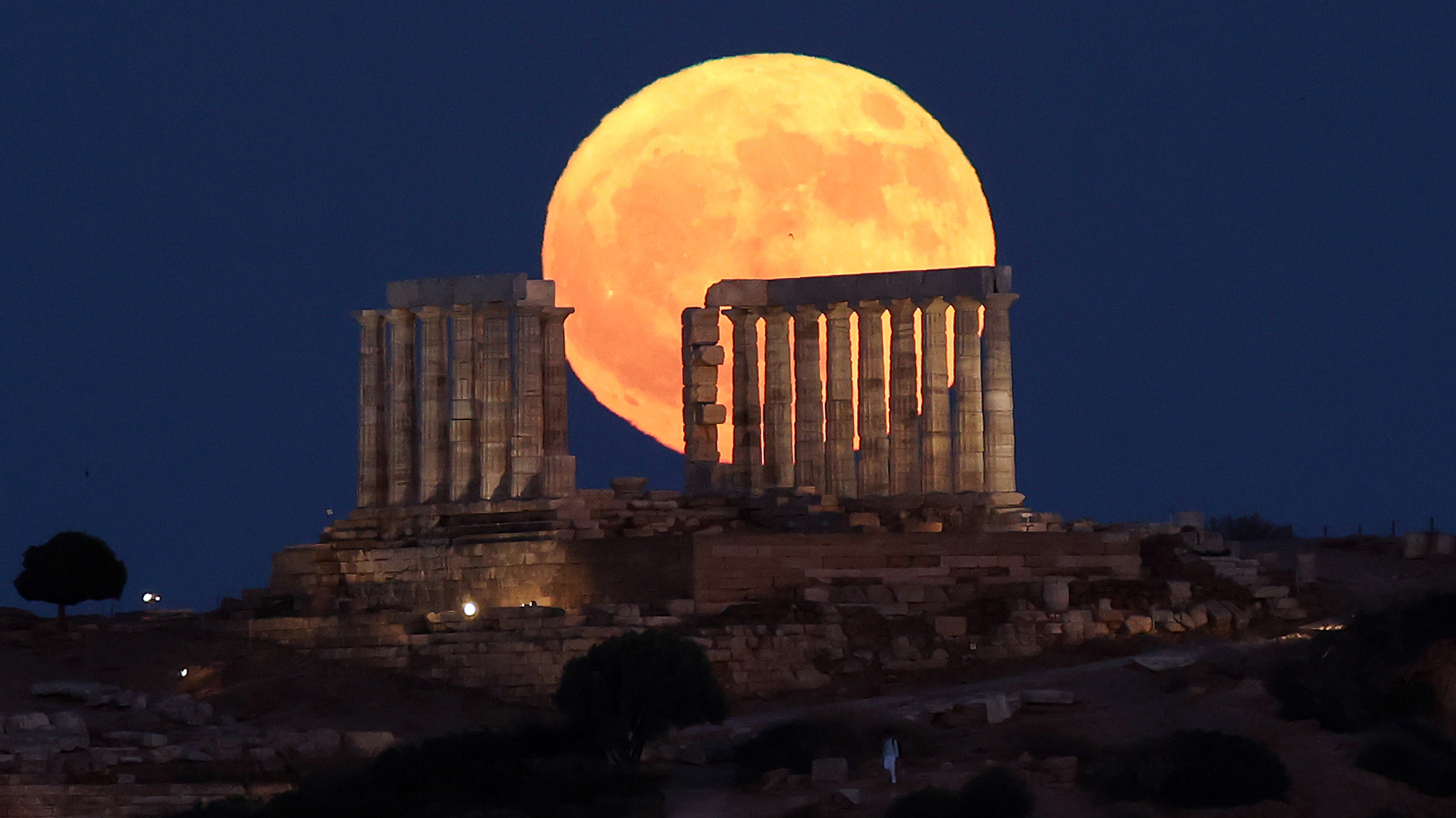
Skygazers across the UK captured stunning photos of July’s full Buck Moon, which reached its peak illumination at 15:36 BST on Wednesday. Also known as the Thunder Moon, the celestial event marks the second of three full moons during the summer season and takes its traditional name from the time of year when male deer rapidly grow a new set of antlers.
Skywatchers in Cornwall photographed the bright lunar disk glowing above drought-affected fields, while others documented the moon rising during dusk. According to reports from the Royal Observatory in Greenwich, the event is traditionally referred to as the Thunder Moon because of the summer storms that frequently occur during July.
Why July’s Full Moon Earns Multiple Traditional Names
Full moons throughout the year have historically received nicknames from various cultures to help communities monitor changing seasons and natural events. The designation Buck Moon
originates from traditions noting that male deer begin pushing out a fresh set of antlers after shedding their previous growth. Beyond its association with wildlife, the midsummer moon carries several alternative titles rooted in agriculture and folklore.
Astronomers and almanacs also recognize the period as the Hay Moon. Meanwhile, the Anishinaabeg people refer to the July full moon as Miin Giizis, or the Berry Moon, according to cultural studies referenced by astronomy publications tracking the lunar cycle. These varied names reflect how different societies historically connected the predictable rhythm of lunar phases to local ecosystems and food sources.
Atmospheric Optics and the Famous Moon Illusion
For many observers, this week’s full moon appeared unusually large and deeply colored as it cleared the eastern horizon. Astronomers explain that this visual effect stems from a combination of atmospheric optics and human perception rather than any physical change in the moon itself.
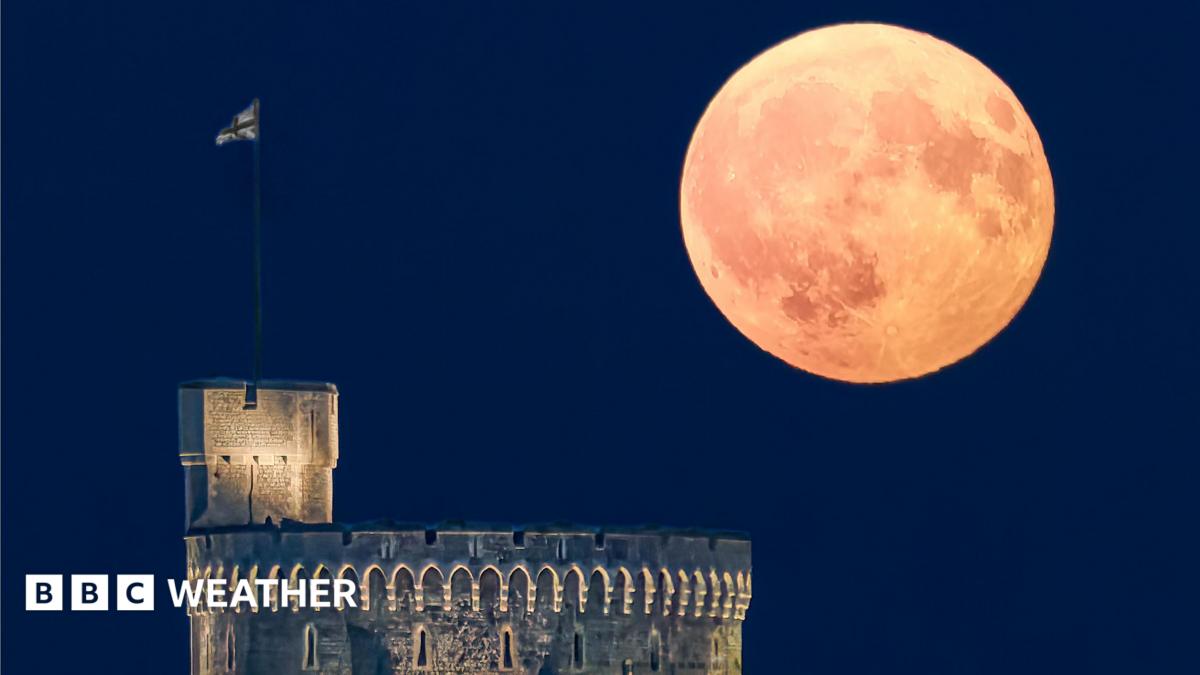
When the moon hangs low in the sky, particles in the atmosphere scatter shorter wavelengths of light—a process known as Rayleigh scattering—which bathes the lunar disk in warm orange, red, and golden hues. This low-hanging position also triggers the moon illusion,
a psychological phenomenon where surrounding landscape features make the moon appear drastically larger to human eyes than it does when positioned high overhead.
Looking Ahead to the Sturgeon Moon and Upcoming Eclipses
The Buck Moon serves as the second of three full moons during meteorological summer, leaving just one final opportunity to witness the seasonal cycle before autumn begins on September 1. The upcoming full moon, designated the Sturgeon Moon, is scheduled to rise on August 28, drawing its name from the freshwater fish traditionally caught by Native Americans in the Great Lakes region during late summer.
This year’s Sturgeon Moon will also coincide with significant shadow activity. Astronomical tracking indicates that a partial lunar eclipse will take place as the moon rises, with more than 96 percent of its surface passing into Earth’s shadow across parts of Europe, Africa, and the Americas. Prior to that event, a total solar eclipse will occur on August 12 when a new moon slides directly between Earth and the sun, offering observers along a narrow path in regions such as eastern Greenland and northern Spain a glimpse of the solar corona.
Related reading